

More than 60 percent of British parents with children diagnosed with ADHD report daily struggles easing their child’s anxiety. The search for solutions often leads to overwhelming advice, yet many overlook the remarkable science behind plush toy comfort. Discover how thoughtfully chosen interactive plush toys offer children with ADHD a safe, tactile way to manage big emotions, promote emotional stability, and transform the bedtime routine into a soothing experience.
Table of Contents
- The Science Behind Plush Toy Comfort
- Sensory Relief For ADHD And Anxiety
- How Plush Toys Foster Emotional Safety
- Weighted And Interactive Plush Toys Explained
- Choosing Safe And Effective Plush Companions
Key Takeaways
| Point | Details |
|---|---|
| Plush Toys as Comfort Tools | Plush toys provide sensory input that aids children with ADHD in emotional regulation and cognitive management. |
| Targeted Sensory Benefits | Specialised plush toys, including weighted and interactive options, offer therapeutic benefits tailored to sensory processing challenges. |
| Emotional Safety and Security | These soft companions function as emotional anchors, helping children develop resilience and self-soothing techniques in chaotic environments. |
| Safety and Suitability Criteria | When choosing plush toys, consider materials, construction, and sensory features to ensure they support emotional comfort and safety for children with ADHD. |
The Science Behind Plush Toy Comfort
Neuroscience reveals why plush toys are extraordinary comfort tools for children with ADHD. These soft companions aren’t just cute playthings - they’re sophisticated sensory regulation devices that support emotional processing and cognitive management.
Research demonstrates that plush toys provide critical sensory input that helps children with neurodevelopmental conditions self-regulate. Play supports key developmental skills by activating neural pathways associated with emotional stability and executive function. When a child with ADHD cuddles a plush toy, they’re not just seeking comfort - they’re engaging in a complex neurological process of emotional recalibration.
The therapeutic mechanism works through consistent deep pressure stimulation. Weighted sensory interventions create a calming neurological response by modulating sensory input. This gentle pressure helps reduce hyperactivity, decrease anxiety, and promote a sense of security. For ADHD children, who often struggle with sensory processing, plush toys act like portable emotional regulators, providing immediate tactile comfort and psychological grounding.
Pro tip: Select plush toys with varied textures to maximise sensory engagement and emotional support for children with ADHD.
Sensory Relief for ADHD and Anxiety
Children with ADHD experience unique sensory processing challenges that can significantly impact their daily emotional regulation and comfort. Understanding these sensory needs is crucial for providing effective support and creating environments that help them feel calm and secure.
Sensory sensitivity in neurodevelopmental conditions reveals that these children often struggle with either sensory avoidance or sensory seeking behaviours. Plush toys emerge as powerful tools in managing these sensitivities, offering a safe and predictable sensory experience that can help modulate overwhelming emotional and physical stimuli.
Specifically, sensory-rich plush toys provide targeted therapeutic benefits. Sensory play engages multiple sensory pathways that support emotional regulation and motor development. By offering gentle, consistent tactile input, these toys can help reduce anxiety, decrease sensory overload, and provide a grounding mechanism for children who struggle with sensory processing.
These plush companions act as portable comfort zones, giving children with ADHD a sense of control and predictability in environments that might otherwise feel chaotic and overwhelming. The soft textures, consistent weight, and familiar presence can help interrupt sensory dysregulation cycles and provide a moment of calm.
Pro tip: Choose plush toys with varying textures, weights, and sensory features to create a personalised sensory support toolkit for your child.
How Plush Toys Foster Emotional Safety
Emotional safety represents a fundamental need for children with ADHD, who often experience heightened vulnerability and unpredictability in their sensory and emotional experiences. Plush toys emerge as powerful allies in creating a consistent, reassuring environment that supports psychological well-being.
Personal and emotional development relies on forming strong, nurturing relationships that provide children with a sense of security. Plush toys function as transitional objects, offering children a tangible source of comfort and self-regulation during moments of stress or uncertainty. These soft companions become emotional anchors, helping children build confidence and develop resilience.
The psychological mechanisms behind plush toy comfort are profound. Strategies supporting children’s emotional wellbeing highlight how consistent, predictable objects can significantly reduce anxiety. For children with ADHD, who frequently struggle with emotional dysregulation, these plush companions provide a reliable sensory experience that helps interrupt overwhelming emotional cycles.
Moreover, plush toys create a sense of control in environments that might otherwise feel chaotic. By offering a familiar, non-threatening presence, these soft objects help children develop self-soothing techniques and emotional management skills that are crucial for their long-term psychological development.
Pro tip: Rotate and introduce different plush toys to help your child build emotional flexibility while maintaining a consistent comfort base.
Weighted and Interactive Plush Toys Explained
Weighted and interactive plush toys represent specialised therapeutic tools designed to support children with ADHD through targeted sensory interventions. These innovative companions go beyond traditional stuffed animals, offering sophisticated strategies for emotional and neurological support.
Weighted plush toys provide deep pressure stimulation that actively calms the nervous system. The additional weight creates a gentle, consistent pressure that helps regulate sensory processing challenges common in neurodevelopmental conditions. By mimicking a comforting hug, these plush toys help children feel secure and grounded, reducing anxiety and promoting emotional stability.
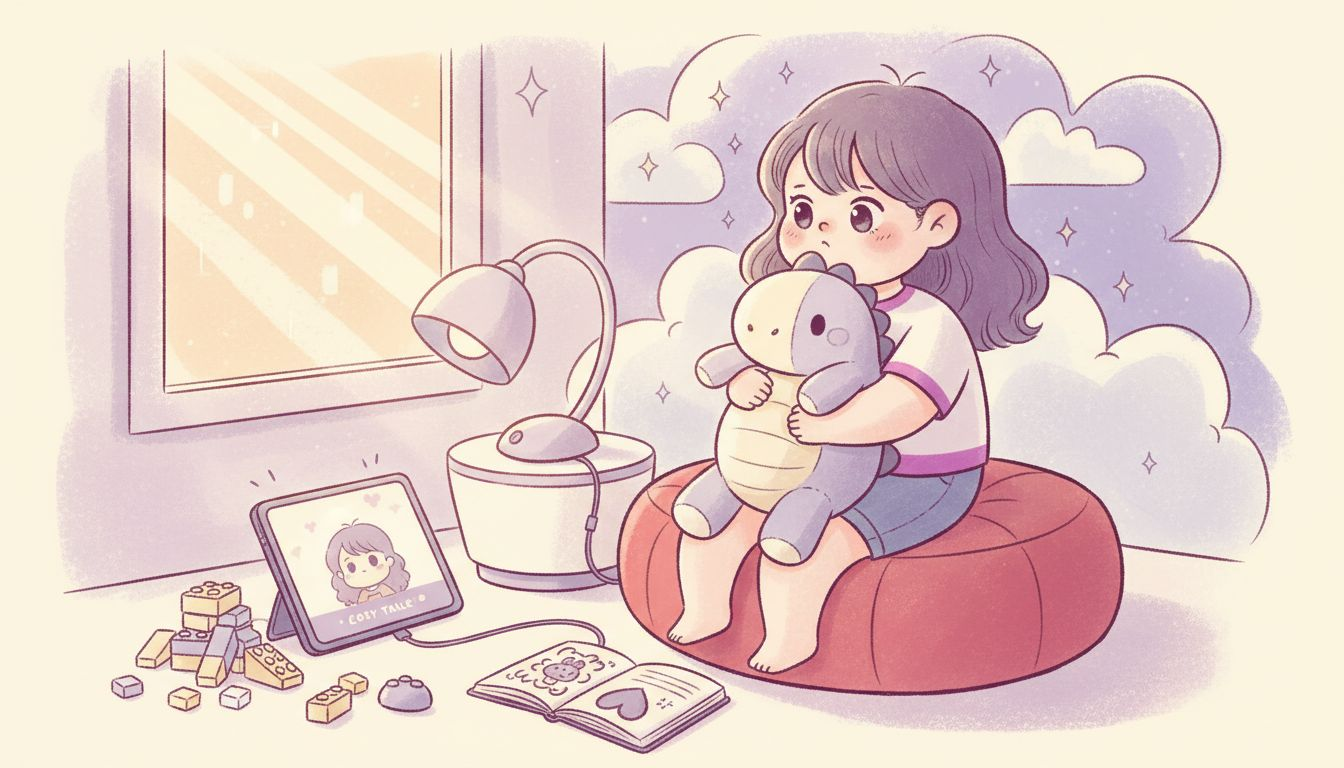
Interactive plush toys take sensory support a step further by incorporating engaging elements like soft sounds, textured surfaces, or subtle movements. Therapeutic toy recommendations emphasise the importance of toys that encourage emotional expression and maintain a child’s interest. These dynamic plush companions help children with ADHD explore complex feelings symbolically while providing a predictable, controllable sensory experience.
The design of these specialised plush toys considers the unique neurological needs of children with ADHD. Some feature removable weights, adjustable textures, or subtle interactive elements that can be customised to individual sensory preferences. This adaptability makes them powerful tools for emotional regulation and self-soothing.
Pro tip: Select weighted plush toys with removable weights to adapt the sensory experience as your child’s needs evolve.
Here is a comparison of plush toy types and their unique benefits for children with ADHD:
| Plush Toy Type | Primary Benefit | Key Sensory Feature |
|---|---|---|
| Standard Soft Plush | Emotional grounding and comfort | Gentle, soft texture |
| Weighted Plush | Calming through deep pressure | Evenly distributed weight |
| Interactive Plush | Engagement and emotional expression | Sounds, textures, movement |
| Multi-textured Plush | Enhanced tactile regulation | Varied fabric surfaces |
Choosing Safe and Effective Plush Companions
Selecting the right plush companion for a child with ADHD involves careful consideration of safety, sensory needs, and emotional support. Not all stuffed toys are created equal, particularly when supporting children with neurodevelopmental conditions.
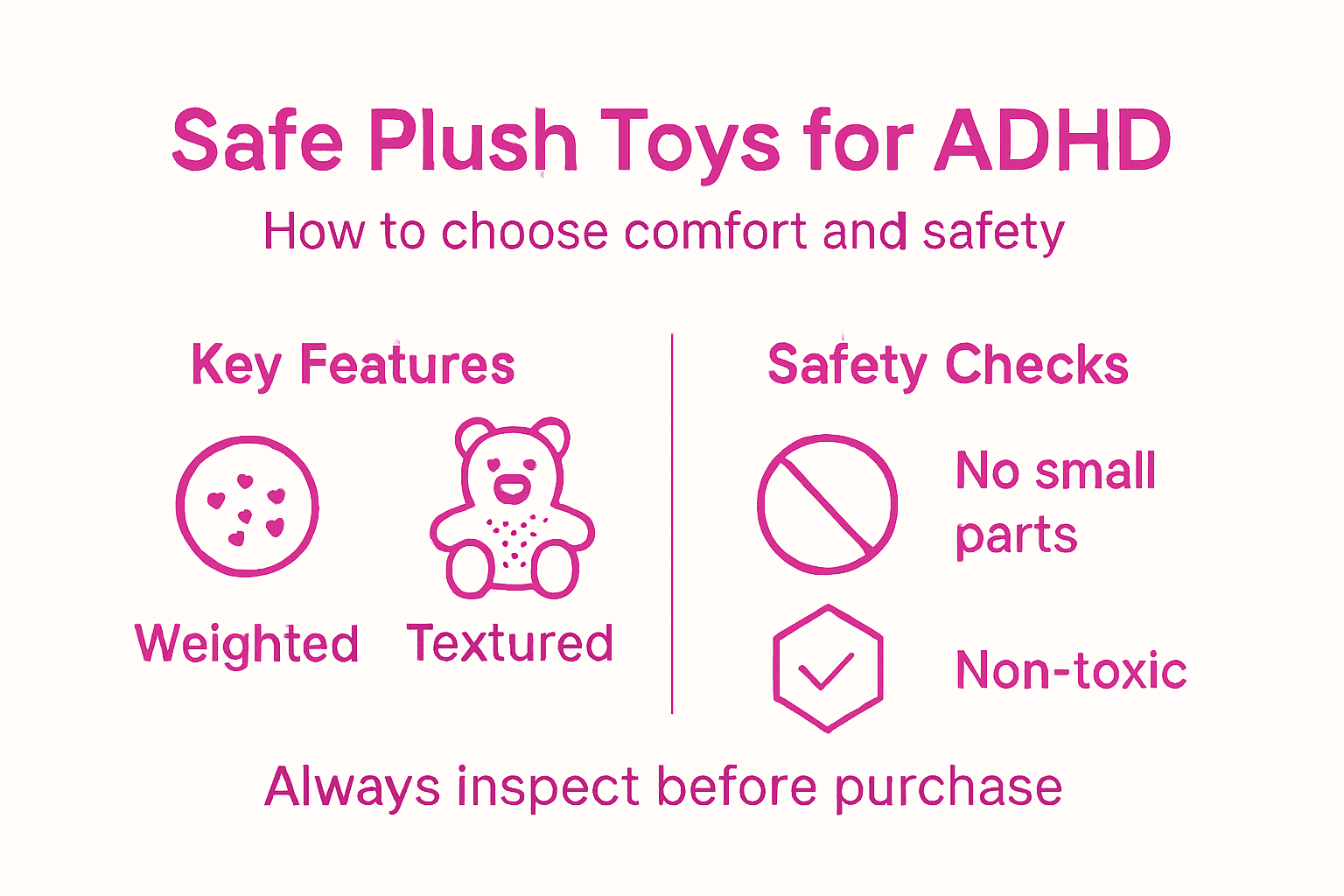
Safety standards for children’s toys require meticulous attention to detail. Parents must examine plush toys for potential hazards like loose threads, small detachable parts, or materials that could trigger sensory sensitivities. Look for toys made from hypoallergenic fabrics, with secure stitching and no small embellishments that might pose choking risks.
Toy safety guidance emphasises the importance of selecting age-appropriate plush companions. For children with ADHD, this means choosing toys that provide sensory comfort without overwhelming stimulation. Consider factors like weight, texture, and interactive features that can help self-regulation. Opt for plush toys with soft, washable materials, reinforced seams, and design elements that support emotional comfort.
Beyond physical safety, the most effective plush companions offer therapeutic value. Seek out toys with consistent textures, gentle weight distribution, and a design that feels comforting and predictable. Some children might prefer plush toys with subtle sensory features like different fabric patches, quiet sound elements, or gentle weight distribution.
Pro tip: Always inspect plush toys thoroughly before purchasing, checking for potential sensory triggers and ensuring they meet both safety and comfort requirements.
Consider these crucial features when selecting a safe plush toy for children with ADHD:
| Selection Criterion | Why It Matters | Practical Recommendation |
|---|---|---|
| Secure Construction | Prevents accidental injuries | Choose reinforced seams |
| Hypoallergenic Fabric | Reduces irritation or allergies | Opt for certified materials |
| Sensory Suitability | Supports emotional regulation | Match weights and textures to needs |
| Washable Surfaces | Maintains hygiene | Select machine-washable toys |
Discover Comfort and Calm with MOMORO & FRIENDS Plush Toys
Children with ADHD often face overwhelming sensory challenges that make emotional regulation difficult. This article highlights how plush toys provide vital sensory input and emotional grounding through tactile comfort and deep pressure stimulation. At MOMORO, we embrace these scientific insights to craft innovative, Japanese-inspired plush companions designed specifically for children managing ADHD and anxiety.
Each MOMORO & FRIENDS plush features soothing textures and weighted elements to deliver consistent sensory support while offering engaging, interactive experiences. These collectible toys unlock monthly digital gifts that encourage creativity and emotional expression, making them a unique tool for calm and joy in everyday life.
Explore our Shop Japanese-Inspired Plush Toys for ADHD & Anxiety – MOMORO & Friends and find the perfect companion that aligns with your child’s sensory needs and emotional wellbeing.
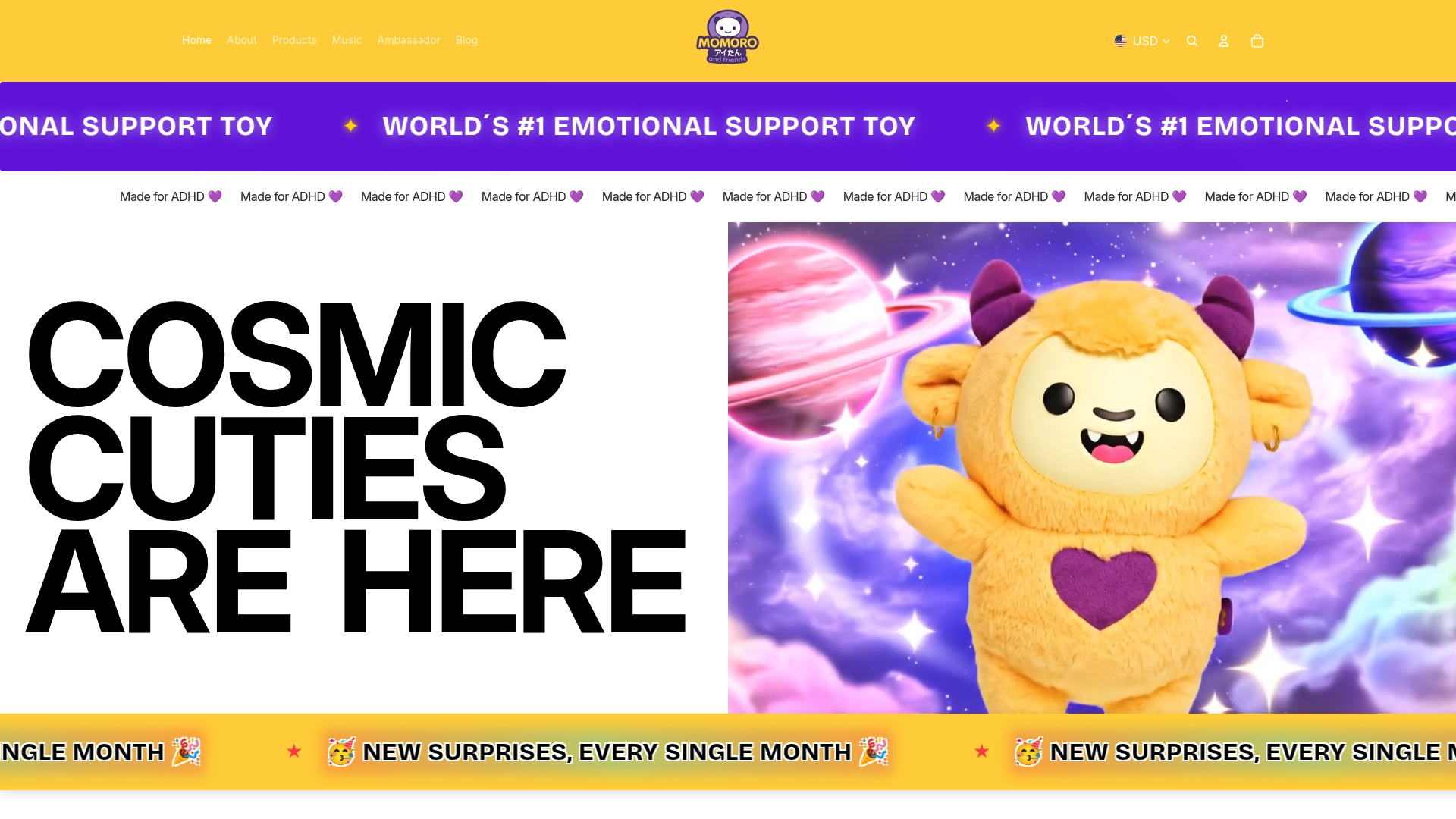
Take the next step to provide your child with a plush that brings science-backed comfort combined with technology and heart. Visit MOMORO & FRIENDS today and discover a calming solution designed to support your child’s unique sensory journey.
Frequently Asked Questions
What are the benefits of plush toys for children with ADHD?
Plush toys provide sensory input that helps children with ADHD self-regulate their emotions. They offer calming deep pressure stimulation, which can reduce hyperactivity and anxiety, creating a comforting environment.
How can plush toys help with emotional regulation in ADHD children?
Plush toys act as emotional anchors for children, providing a consistent and reassuring presence. They help children develop self-soothing techniques and emotional management skills, which are crucial for their long-term psychological development.
What types of plush toys are best suited for children with ADHD?
Weighted plush toys are effective for deep pressure stimulation, while interactive plush toys engage children with sensory features like sounds and textures. Multi-textured plush toys also facilitate tactile regulation, enhancing their calming effects.
How do I choose the right plush toy for my ADHD child?
When selecting a plush toy, consider safety features like secure construction and hypoallergenic materials. Additionally, ensure the toy offers suitable sensory stimuli, such as varying weights and textures, to support emotional regulation effectively.