

Over half of british parents regularly search for ways to help their children manage ADHD and anxiety. For many families, choosing the right sensory plush toy unlocks a world of comfort and calm. Interactive collections and mindful play can transform everyday routines into positive, soothing experiences. This guide reveals practical strategies and expert insights so you can create engaging, stress-relief moments for your child using therapeutic plush companions.
Table of Contents
- Choose Plush Toys With Sensory Benefits
- Seek Interactive Features For Engagement
- Select Limited Edition Collectibles For Excitement
- Rotate Toys To Maintain Interest
- Store Collections Safely And Accessibly
- Create Moments Of Mindful Play Together
- Use Collectible Events For Positive Routines
Quick Summary
| Takeaway | Explanation |
|---|---|
| 1. Choose sensory plush toys | Opt for plush toys with varied textures to enhance emotional regulation and cognitive development in children. |
| 2. Seek interactive features | Select plush toys that respond to touch or sound, as these can provide engaging sensory input for children. |
| 3. Consider limited edition collectibles | Limited edition plush toys create emotional connections and can serve as treasured pieces with potential investment value. |
| 4. Implement toy rotation | Use toy rotation strategies to maintain children’s interest and reduce sensory overload by introducing novelty in playtime. |
| 5. Engage in mindful play | Dedicate time to play without distractions, fostering emotional exploration and connection with your child through their plush toys. |
1. Choose Plush Toys with Sensory Benefits
Navigating the world of plush toys for children with anxiety and ADHD requires more than just picking a cute companion. Sensory benefits are the secret weapon in selecting the right therapeutic stuffed friend. These remarkable toys do far more than sit prettily on a shelf.
Plush toys aren’t just soft cuddle buddies. They’re powerful tools for emotional regulation and cognitive development. Sensory toys engage multiple senses to provide stimulating hands-on experiences that can help children process emotions and improve focus.
When choosing a sensory plush, look for varied textures that invite touch and exploration. Soft velvet patches, ribbed sections, different fabric weights, and even subtle weight variations can transform a simple stuffed animal into a therapeutic tool. These textural differences help develop fine motor skills and provide tactile stimulation that can calm anxious minds.
Children with sensory processing differences often find immense comfort in toys that offer consistent, predictable sensory input. A plush with multiple texture zones allows them to self-soothe by exploring different sensations. Some children might prefer smooth surfaces, while others seek out bumpy or fuzzy areas.
Key features to consider:
- Varied fabric textures
- Subtle weighted elements
- Different sensory zones
- Soft but resilient materials
Expert tip: Select plush toys with removable sensory attachments to provide flexible sensory exploration and keep the toy engaging over time.
2. Seek Interactive Features for Engagement
Not all plush toys are created equal when it comes to supporting calm and engagement. Interactive features transform ordinary stuffed animals into powerful tools for cognitive and emotional development.
Multi-sensory interactive toys significantly enhance children’s learning experiences by stimulating multiple senses simultaneously. These clever companions do more than sit passively they actively participate in a child’s play and emotional regulation.
Interactive plush toys come with fascinating capabilities like talking, responding to touch, making sounds, or even moving. These dynamic features capture a child’s attention far more effectively than traditional static toys. For children managing anxiety or ADHD, such engagement can provide predictable sensory input and help maintain focus.
Key interactive features to look for:
- Voice response mechanisms
- Touch sensitive panels
- Sound production capabilities
- Gentle movement functions
- Programmable responses
When selecting an interactive plush, consider how its features might support your child’s specific sensory needs. Some children might find soft speaking comforting, while others might enjoy toys that react to physical interaction.
Expert tip: Choose interactive plush toys with adjustable volume and response settings to customise the sensory experience for your child’s unique preferences.
3. Select Limited Edition Collectibles for Excitement
There is magic in collecting something truly unique. Limited edition plush toys are not just cuddly companions but gateways to emotional connections and personal storytelling.
Limited edition collectibles offer more than simple ownership they create profound emotional experiences that transform an ordinary toy into a cherished memory. These special toys carry an inherent excitement that standard mass produced items simply cannot match.
When you select a limited edition plush, you are not just buying a toy. You are acquiring a piece of art with potential emotional and financial value. Each rare plush represents a moment in time a unique design that speaks to individual personality and interests.
Why Limited Edition Matters:
- Creates unique emotional connections
- Potential future investment value
- Represents personal style and taste
- Encourages careful collecting habits
- Provides sense of exclusive ownership
Consider tracking release dates for special collections from brands known for creative designs. Some limited edition plushies become highly sought after collector items that appreciate in value over time.
Expert tip: Research the production numbers and artist details of limited edition plushies to understand their potential long term collectible value.
4. Rotate Toys to Maintain Interest
Toy rotation is a clever strategy that transforms playtime from monotonous to magical. It is about creating excitement and novelty without constantly buying new plush companions.
Toy rotation, rooted in Montessori principles, helps children explore different play experiences while keeping their play environment fresh and engaging. This approach is not about having more toys but about creating meaningful interactions with the toys you already own.
Think of toy rotation like a wardrobe refresh. Just as you might store winter jumpers during summer, you can store some plush toys and bring them out periodically. This simple strategy renews interest, reduces visual clutter, and helps children appreciate each toy more deeply.
Benefits of Toy Rotation:
- Reduces sensory overload
- Encourages deeper play
- Maintains toy novelty
- Supports cognitive development
- Teaches organisation skills
Start by creating storage boxes and categorising your plush collection. Swap out toys every week or fortnight, keeping a curated selection readily accessible. This method helps children learn appreciation and prevents toy fatigue.
Expert tip: Create a simple rotation schedule and involve your child in selecting which toys go into storage, making the process a fun and collaborative experience.
5. Store Collections Safely and Accessibly
A thoughtful plush toy collection needs more than just love it requires smart storage solutions that protect your precious companions while keeping them easily accessible.
Effective toy storage combines organisation, protection, and playful accessibility to create a functional space that supports both collection management and child independence. Your storage strategy should protect delicate plushies while inviting interaction and exploration.
Consider creating a dedicated display and storage system that treats each plush as a treasured item. Open shelving with soft dust covers, climate controlled spaces away from direct sunlight, and stackable transparent containers can transform toy storage from a mundane task to an artful practice.
Smart Storage Considerations:
- Use breathable fabric storage bags
- Maintain consistent room temperature
- Avoid direct sunlight exposure
- Create accessible display areas
- Label storage containers clearly
- Choose acid free tissue paper for wrapping
Think of your plush collection storage like a mini museum curating precious artefacts. Each toy deserves gentle handling and thoughtful preservation while remaining part of an engaging, interactive collection.
Expert tip: Invest in clear plastic storage boxes with secure lids that stack easily and allow you to see your collection without opening multiple containers.
6. Create Moments of Mindful Play Together
Playtime is more than just fun. It is a profound opportunity to connect deeply with your child and support their emotional wellbeing through intentional interaction.
Mindful play helps children develop emotional regulation and self awareness by creating a safe, nurturing environment for exploration and expression. This approach transforms ordinary playtime into a therapeutic experience.
Mindful play with plush toys involves being fully present. Put away distractions like mobile phones and focus entirely on the moment. Listen to your child. Observe how they interact with their plush companion. Ask open ended questions about their play narrative and emotional experiences.
Mindful Play Strategies:
- Practice slow intentional movements
- Use gentle calm voices
- Listen without judgement
- Follow child’s play narrative
- Validate emotional experiences
- Create peaceful play environments
Encourage storytelling with plush toys. Let your child lead the narrative while you provide gentle guidance and emotional support. These moments build trust and create safe spaces for emotional exploration.
Expert tip: Set aside dedicated 15-minute windows of undistracted play where you are completely present with your child and their plush companion.
7. Use Collectible Events for Positive Routines
Collectible events are not just shopping opportunities they are transformative experiences that can anchor positive family routines and create meaningful connections through shared interests.
Britain’s biggest Toy Collectors Fairs offer incredible opportunities for community engagement by bringing together enthusiasts from diverse backgrounds to celebrate their passion for collecting. These events provide structured social experiences that can be particularly beneficial for children managing anxiety or social challenges.
Planning regular visits to toy collector events can become a predictable, exciting routine that helps children develop anticipation skills and social confidence. Mark these events in your family calendar and treat them as special outings that everyone looks forward to experiencing together.
Benefits of Collectible Events:
- Create predictable social experiences
- Build anticipation skills
- Encourage family bonding
- Develop social confidence
- Explore shared interests
- Learn trading and communication skills
Start small by attending local toy fairs or collector meetups. Prepare your child by discussing expectations, practising social interactions, and creating a comfortable plan for navigating these new environments.
Expert tip: Establish a pre event ritual like choosing a special outfit or planning a small reward to make collectible events feel like exciting family traditions.
Below is a concise table providing an overview of the strategies and considerations for selecting and utilising plush toys and other related activities to support children’s developmental and emotional needs.
| Aspect | Description | Key Suggestions |
|---|---|---|
| Sensory Plushes | Plush toys with multiple textures and weights offering tactile stimulation aid children in emotional regulation. | Look for toys with varied textures, subtle weights, and removable attachments. |
| Interactive Features | Incorporating response mechanisms increases engagement and supports focus in children with sensory needs. | Select toys with touch sensors, speaking functions, and adjustable settings. |
| Limited Edition Collectibles | Collectible plushies provide unique and exciting companions, potentially holding both emotional and financial value. | Track release dates for exclusive designs and research production details to understand collectability. |
| Toy Rotation | Regularly rotating toys maintains children’s interest and reduces sensory overload whilst promoting deeper engagement. | Store some toys and swap them out periodically to renew novelty and appreciation. |
| Storage Solutions | Proper storage methods preserve the condition and accessibility of plush collections. | Use breathable bags, consistent climate control, and clearly labelled storage containers. |
| Mindful Play | Engaging in intentional playtime with plush toys supports emotional expression and strengthens child-parent connections. | Dedicate undistracted time to present interaction and follow the child’s lead in play narratives. |
| Attend Collectible Events | Participating in community-based toy fairs fosters social skills, anticipation, and family bonding through shared interests. | Plan event visits and establish enjoyable pre-event rituals to enhance engagement. |
Discover the Perfect Plush Toys for Calm Minds with MOMORO & FRIENDS
Navigating the challenges of managing anxiety and ADHD calls for more than ordinary toys. The article highlights the importance of using plush toys that provide sensory benefits, interactive features, and limited edition excitement to support emotional regulation and sustained engagement. If you are seeking a therapeutic companion that combines comfort, creativity, and technology, MOMORO & FRIENDS offers a unique solution designed precisely to meet these needs.
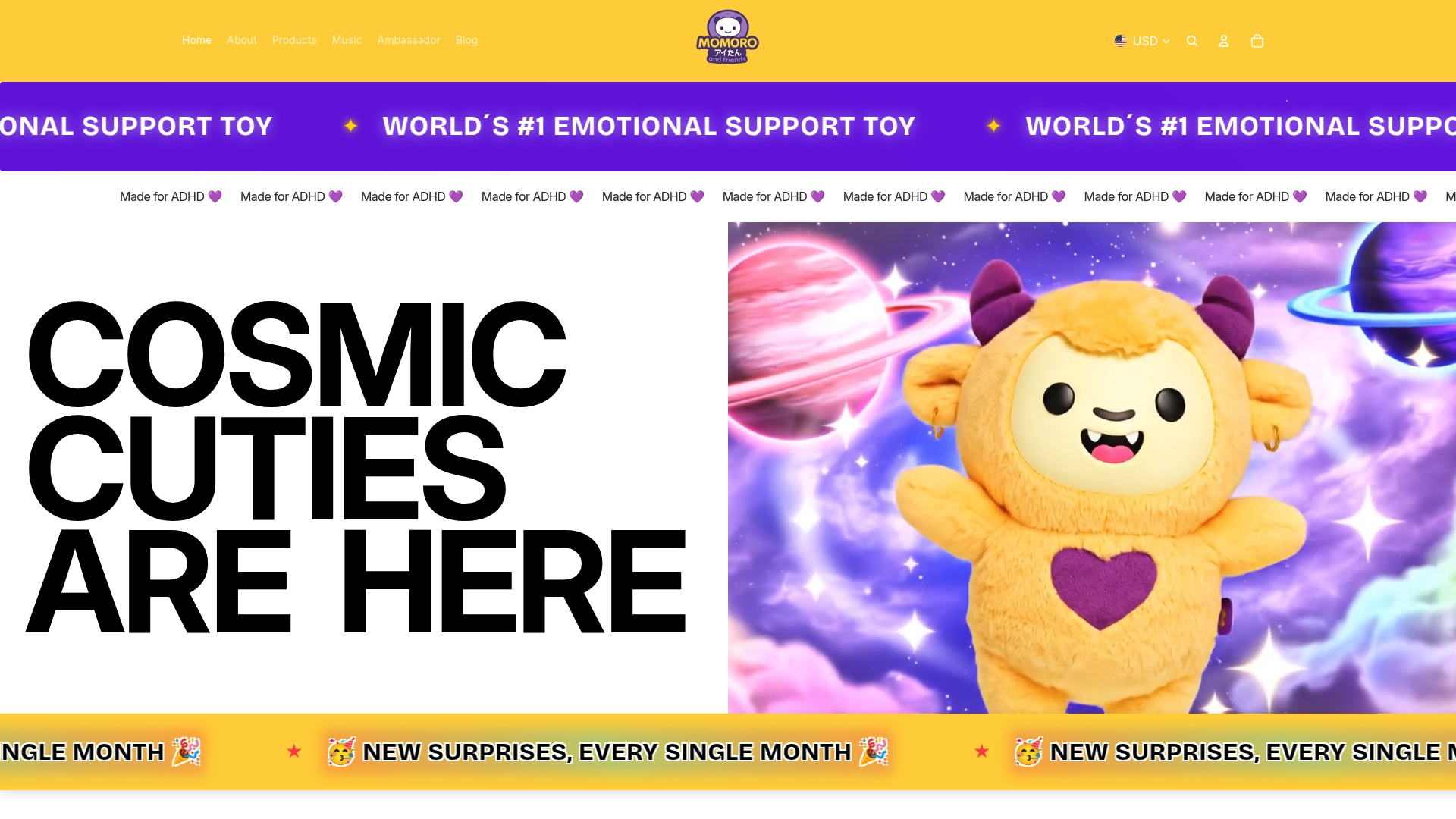
Explore our Japanese-Inspired Plush Toys for ADHD & Anxiety – MOMORO & Friends, where each NFC-enabled blind box plush unlocks monthly digital gifts crafted to ease stress and boost mood. Limited to 5,000 units per drop, these interactive collectibles offer tactile textures and engaging features that perfectly complement smart toy rotation and mindful play strategies mentioned in the article. Don’t wait to enrich your child’s calm routine with a plush that grows with them. Visit https://momoro.store now to start your mindful collecting journey.
Frequently Asked Questions
How can I choose plush toys with sensory benefits for my child?
Select plush toys that feature varied textures and subtle weighted elements. Look for options that provide multiple sensory zones, helping to develop fine motor skills and calm anxious minds.
What interactive features should I consider when selecting plush toys?
Focus on plush toys with voice response mechanisms, touch-sensitive panels, and sound production capabilities. These interactive features can enhance your child’s engagement and provide predictable sensory input.
Why are limited edition plush toys valuable for emotional connections?
Limited edition plush toys create unique emotional experiences and can hold potential financial value. Research their production numbers and artist details to understand the significance of the collectible items in your collection.
How can I maintain interest in my child’s plush toy collection?
Implement a toy rotation system by periodically storing and swapping out plush toys. This can help reduce sensory overload and keep playtime fresh, making each toy feel special again.
What is the best way to store plush toys safely?
Utilise breathable fabric storage bags and maintain a consistent room temperature while avoiding direct sunlight. Consider creating accessible display areas that treat each plush as a treasured item while ensuring their protection.
How can mindful play with plush toys support my child’s emotional wellbeing?
Engage in mindful play by being fully present during interactions with your child’s plush toys. Focus on observing their play and asking open-ended questions to help foster emotional expression and self-awareness.