

Over one in seven British children are estimated to live with ADHD or anxiety, leaving many parents searching for creative tools that genuinely help. The journey through emotional challenges can feel daunting, especially when traditional solutions fall short or seem uninspiring. Discover how collectible plush toys are emerging as supportive, science-backed companions, designed to bring comfort and encourage emotional growth for British families navigating these needs.
Table of Contents
- What Is Plush Therapy? Core Concepts and Myths
- Types of Plush Therapy for Emotional Support
- How Interactive Plush Toys Support Wellbeing
- Evidence, Benefits, and Real-World Impact
- Potential Pitfalls and Choosing the Right Plush
Key Takeaways
| Point | Details |
|---|---|
| Plush Therapy as an Emotional Support Tool | Plush therapy employs soft, interactive companions to assist children with ADHD and anxiety in regulating their emotions and developing coping mechanisms. |
| Types of Plush Therapy | Different plush types include sensory support, emotional regulation, and interactive digital plushies, each tailored to specific needs and emotional learning. |
| Importance of Personalised Selection | Choosing the right plush requires understanding a child’s unique sensory preferences to avoid overstimulation and ensure effective emotional support. |
| Positive Impact on Child Development | Research indicates that therapeutic plush toys can enhance children’s emotional management, social skills, and academic performance by providing a safe space for emotional exploration. |
What Is Plush Therapy? Core Concepts and Myths
Plush therapy represents an innovative emotional support approach for children experiencing ADHD and anxiety. Unlike traditional therapeutic methods, this strategy utilises soft, interactive plush companions to help children regulate emotions and develop coping mechanisms. Theraplay principles suggest that developmentally appropriate comfort objects can significantly enhance emotional connection and security.
At its core, plush therapy recognises that children with neurodevelopmental conditions often struggle with emotional regulation. These specially designed plush companions provide sensory comfort, predictable interactions, and a sense of safety. They act as transitional objects that help children navigate complex emotional landscapes, offering consistent support during moments of stress or overwhelm.
Common myths about plush therapy include misconceptions that it’s merely a distraction or that it replaces professional mental health support. In reality, these therapeutic plushies are sophisticated tools designed to complement professional interventions. They work by providing tactile stimulation, promoting self-soothing behaviours, and creating a sense of emotional predictability that helps children feel more grounded and secure.
Pro tip: When introducing a therapeutic plush, allow your child to explore and bond with the object naturally, without forcing interaction or prescribing specific emotional responses.
Types of Plush Therapy for Emotional Support
Companion Plush Therapy represents a nuanced approach to emotional support, offering children with ADHD and anxiety a range of therapeutic interactions. Psychiatric research suggests these plush companions can serve multiple therapeutic functions, acting as surrogate comfort objects that help children navigate complex emotional landscapes.
Several distinct types of plush therapy emerge in clinical practice. Sensory support plushies feature textured surfaces, weighted designs, or interactive elements that provide calming tactile stimulation. Emotional regulation plushies often include features like changeable facial expressions or colour-coded emotion indicators, helping children learn and articulate their feelings. Interactive digital plushies represent a modern approach, incorporating technology to provide dynamic emotional support through programmable responses and guided relaxation techniques.
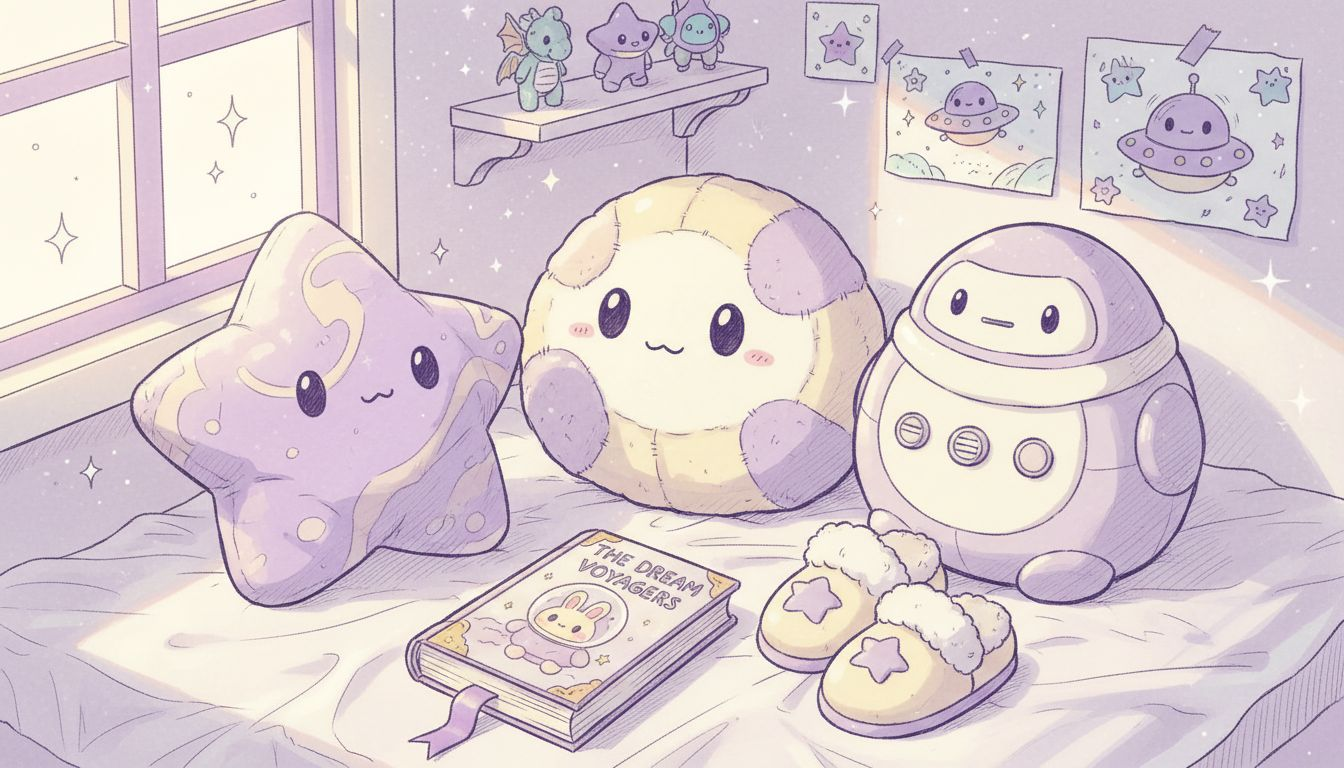
The Child Mind Institute’s research highlights how these therapeutic plush toys serve more than mere comfort. They function as sophisticated tools for improving motor skills, cognitive processing, and emotional intelligence. Children can use these plushies to practice emotional self-regulation, build communication skills, and develop healthier coping mechanisms in a safe, non-threatening environment.
Here’s a summary comparing the main types of plush therapy for emotional support:
| Plush Type | Core Feature | Ideal for | Example Benefit |
|---|---|---|---|
| Sensory Support | Textured or weighted surfaces | Children needing calming input | Reduces restlessness |
| Emotional Regulation | Expressive features or colour cues | Children learning to articulate feelings | Guides emotional labelling |
| Interactive Digital | Programmable, responsive functions | Tech-engaged or older children | Enhances engagement and focus |
Pro tip: Select plush therapy companions that match your child’s specific sensory preferences and emotional needs, allowing them to naturally gravitate towards the most supportive interaction style.
How Interactive Plush Toys Support Wellbeing
Interactive plush toys have emerged as powerful therapeutic tools for children struggling with ADHD and anxiety. Research from occupational therapy specialists demonstrates that these innovative companions provide far more than simple comfort – they offer critical sensory regulation and emotional support. By engaging multiple sensory pathways, these plushies help children process complex emotional experiences in a safe, controlled environment.
The neurological benefits of interactive plush toys are particularly significant. Fidget and sensory research indicates that tactile stimulation through these toys can dramatically improve focus and emotional self-regulation. Some interactive plushies feature textured surfaces, subtle vibration mechanisms, or temperature-responsive materials that provide gentle sensory feedback, helping children redirect overwhelming emotional or attentional impulses.
These therapeutic plush toys work by creating a predictable, controllable interaction that reduces anxiety and enhances emotional resilience. Children can manipulate texture, press specific areas, or engage with programmable features that offer consistent, calming responses. This predictability is crucial for neurodivergent children, providing a sense of mastery and emotional stability that traditional therapy tools often struggle to achieve.
Pro tip: Choose interactive plush toys with multiple sensory features that match your child’s specific comfort preferences, allowing them to naturally explore and self-soothe.
Evidence, Benefits, and Real-World Impact
Empirical research provides compelling evidence supporting the therapeutic potential of plush interventions for children with ADHD and anxiety. Comprehensive studies from CHADD demonstrate that psychosocial interventions, including therapeutic play with specialised toys, contribute significantly to managing neurodevelopmental challenges. These interventions extend beyond traditional treatment models, offering holistic approaches to emotional regulation and skill development.
The real-world impact of therapeutic plush toys is particularly noteworthy in educational and home environments. Behavioural treatment research reveals that these tools can dramatically improve children’s self-control, emotional management, and social interactions. By providing a consistent, comforting mechanism for emotional expression, these plush companions help children develop crucial coping strategies that translate into improved academic performance and interpersonal relationships.
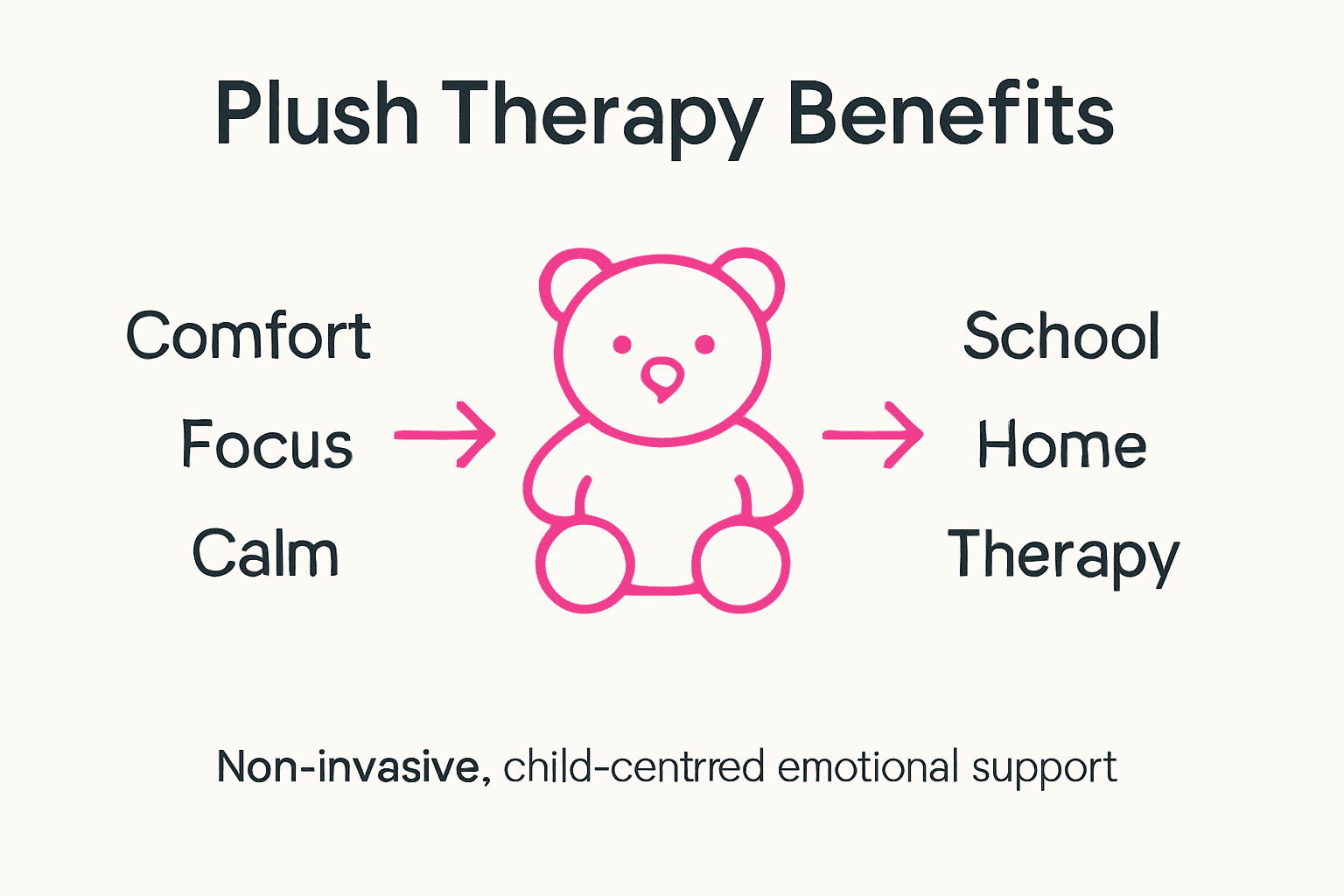
Most critically, the evidence suggests that therapeutic plush toys offer a non-invasive, child-centred approach to emotional support. Unlike pharmaceutical interventions, these tools empower children to actively participate in their emotional regulation. They create a safe space for exploring feelings, managing sensory overwhelm, and building resilience through playful, developmentally appropriate interactions that respect each child’s unique neurological profile.
Pro tip: Document your child’s interactions with therapeutic plush toys, tracking emotional patterns and progress to develop a personalised understanding of their specific sensory and emotional needs.
Potential Pitfalls and Choosing the Right Plush
Selecting the appropriate therapeutic plush requires nuanced understanding beyond aesthetic appeal. Government guidance on mental health services emphasises the critical importance of matching sensory tools precisely to individual neurological profiles. Each child’s unique sensitivities mean that what works wonderfully for one might trigger discomfort or overstimulation for another.
Potential pitfalls in plush therapy include selecting toys with inappropriate textures, overwhelming interactive features, or designs that inadvertently increase anxiety. Parents should carefully observe their child’s sensory preferences, noting specific tactile responses. Some children might find soft, weighted plushies calming, while others could experience sensory overload from complex textural elements or unexpected sound mechanisms. The key is personalised selection, not universal solutions.
Professional recommendations suggest implementing a gradual introduction strategy. Start by presenting multiple plush options, allowing the child to explore and interact naturally. Pay attention to their physical and emotional responses - increased relaxation, reduced fidgeting, or improved emotional articulation are positive indicators. Consulting occupational therapists or child psychologists can provide tailored advice for integrating these therapeutic companions effectively into your child’s emotional support toolkit.
Consider these factors when choosing an appropriate therapeutic plush companion:
| Factor | Why It Matters | Signs to Observe |
|---|---|---|
| Texture | Prevents sensory overload | Relaxed touch or avoidance |
| Weight | Supports calming or grounding | Improved stillness or agitation |
| Interactivity | Matches attention needs | Engagement or withdrawal |
| Emotional Cues | Aids emotional identification | Increased emotional expression |
Pro tip: Create a sensory preference journal documenting your child’s interactions with different plush toys, tracking texture, weight, and emotional responses to inform future therapeutic choices.
Discover Plush Therapy with MOMORO & FRIENDS for Calming ADHD and Anxiety
Children coping with ADHD and anxiety often face challenges in emotional regulation and sensory overload. This article highlights how plush therapy offers comfort and stability through sensory support and emotional connection. If you are seeking an interactive and soothing plush companion that complements therapeutic goals, MOMORO & FRIENDS provides a unique solution. These Japanese-inspired, NFC-enabled plush toys combine sensory-friendly design with engaging digital features to support emotional self-regulation and reduce stress.
Experience the innovative blend of tactile comfort and technology designed to meet your child’s sensory preferences and emotional needs. Explore our exclusive collection of Japanese-Inspired Plush Toys for ADHD & Anxiety – MOMORO & Friends and see how our limited edition offerings can become trusted allies in your child’s emotional wellbeing.
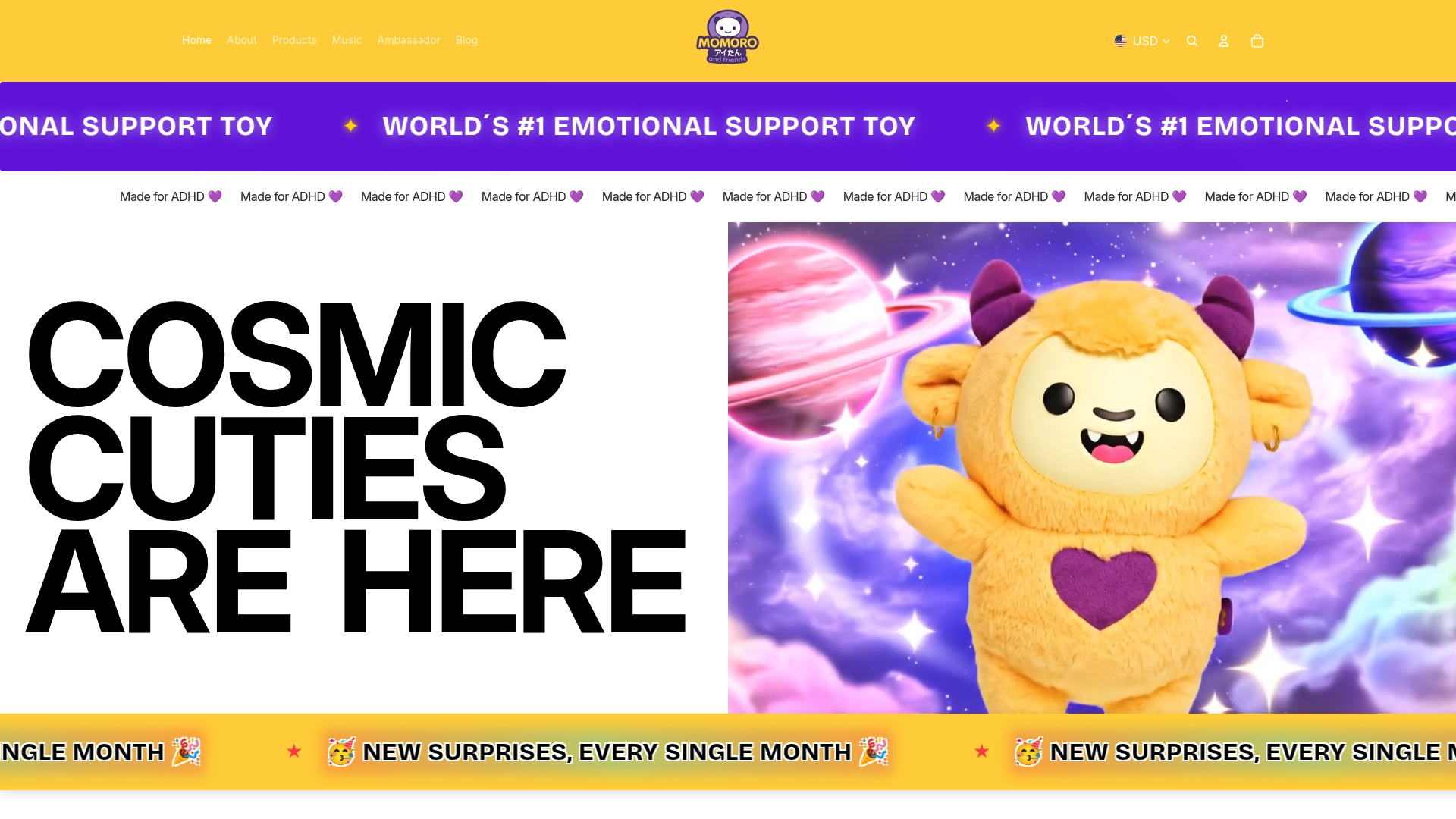
Unlock calm and creativity today. Visit https://momoro.store to find your child’s perfect therapeutic plush companion and start building lasting emotional resilience with MOMORO & FRIENDS.
Frequently Asked Questions
What is plush therapy and how does it help children with ADHD and anxiety?
Plush therapy is an innovative approach that uses soft, interactive plush companions to assist children in regulating their emotions and developing coping mechanisms. These plushies provide sensory comfort and safety, helping children navigate emotional challenges associated with ADHD and anxiety.
What types of plush therapy are available for emotional support?
There are three main types of plush therapy: sensory support plushies, which have textured or weighted designs; emotional regulation plushies, featuring changeable facial expressions or colour indicators; and interactive digital plushies that use technology for dynamic emotional support.
How do interactive plush toys support children’s emotional wellbeing?
Interactive plush toys engage various sensory pathways, helping children manage emotions and improve focus. By offering predictable interactions and sensory feedback, these toys help children develop emotional resilience and self-regulation in a controlled environment.
What should I consider when selecting a therapeutic plush for my child?
When choosing a therapeutic plush, it’s important to consider factors such as texture, weight, interactivity, and emotional cues. Observing your child’s preferences and responses will help ensure the plushie complements their specific sensory needs and enhances their emotional support.