

Finding the right emotional support for children with ADHD or anxiety can leave british families feeling frustrated and exhausted. Studies reveal that nearly 80 percent of parents in the United Kingdom wish for calming solutions that soothe and inspire at the same time. With so many options competing for their attention, parents seek more than a soft toy—they need tools that truly connect with their child’s needs. Discover how interactive plush toys combining gentle textures and smart features are changing emotional care for british children.
Table of Contents
- 1. Comfort And Safety Through Soft Touch
- 2. Digital Rewards To Motivate Positive Behaviour
- 3. Anxiety Reduction With Calming Features
- 4. Encouraging Mindfulness And Emotional Awareness
- 5. Boosting Creativity And Imaginative Play
- 6. Improving Focus Through Interactive Elements
- 7. Strengthening Parent-Child Connections
Quick Summary
| Key Insight | Explanation |
|---|---|
| 1. Choose Texture-Rich Plush Toys | Select plush toys with varied textures to provide sensory support, comfort, and hygiene for children with ADHD. |
| 2. Implement Digital Reward Systems | Establish clear, achievable goals tied to digital rewards to maintain motivation and encourage positive behaviour in children with ADHD. |
| 3. Select Calming Plush Toys | Opt for plush toys with calming features like soft textures and gentle vibrations to help reduce anxiety during stressful situations. |
| 4. Promote Emotional Awareness through Play | Use interactive plush toys to facilitate discussions about feelings, helping children recognise and articulate their emotions in a fun way. |
| 5. Engage in Collaborative Playtime | Dedicate time for joint play with interactive plush toys, enabling shared experiences that strengthen parent-child connections and communication. |
1. Comfort and Safety Through Soft Touch
Children with ADHD often experience heightened sensory sensitivity, making soft touch an essential therapeutic strategy for emotional regulation. Interactive plush toys provide a gentle, safe sensory experience that can help soothe overwhelming emotions and create a sense of security.
The physical comfort of a soft plush toy goes beyond mere tactile pleasure. Research from NHS resources highlights how familiar, soft objects can support emotional stability for children struggling with attention and emotional challenges. These toys offer a consistent, non threatening source of comfort during moments of stress or sensory overload.
Plush toys designed with safety in mind are crucial for children who might explore objects through touch or mouth. According to UK safety guidelines, toys must meet strict standards to prevent potential hazards like choking or strangulation. Parents should look for toys with secure stitching, age appropriate design, and no small detachable parts.
The texture of interactive plush toys can provide specific sensory benefits. Soft materials with different tactile qualities soft fleece, smooth cotton, or gentle fuzzy surfaces can help children with ADHD regulate their sensory input. These toys become a portable comfort mechanism they can rely on during challenging moments.
Top Tip: Select plush toys with varied textures and washable materials to provide consistent sensory support and maintain hygiene.
2. Digital Rewards to Motivate Positive Behaviour
Children with ADHD often struggle with maintaining motivation and tracking their progress, making digital reward systems a powerful tool for behaviour management. Interactive plush toys that incorporate digital rewards create an engaging mechanism for reinforcing positive actions and encouraging consistent effort.
NHS London resources highlight the effectiveness of structured digital reward strategies for supporting children with attention challenges. These digital rewards provide immediate feedback and recognition, which is crucial for maintaining focus and motivation.
The key to successful digital rewards lies in their ability to make progress tangible and exciting. Interactive plush toys can unlock special digital content such as animated stickers, mini games, or character upgrades when specific behavioural milestones are achieved. This approach transforms mundane tasks into exciting challenges, helping children with ADHD feel a sense of accomplishment.
Parents can leverage these digital rewards by establishing clear, achievable goals. For instance, completing homework, maintaining a tidy room, or demonstrating good listening skills could unlock unique digital experiences. The instant gratification of these rewards helps redirect attention and encourages consistent positive behaviour.
Top Tip: Create a collaborative reward system where your child helps design the specific goals and digital rewards, increasing their investment and motivation.
3. Anxiety Reduction with Calming Features
Children with ADHD frequently experience heightened anxiety and sensory overwhelm, making specialised calming tools crucial for emotional regulation. Interactive plush toys offer a sophisticated approach to managing these complex emotional experiences.
NHS paediatric occupational therapy resources recommend specific sensory interventions that include soft toys designed to provide deep pressure and gentle sensory feedback. These therapeutic toys can help children transition from states of high anxiety to calm, more manageable emotional landscapes.
The calming features of interactive plush toys go beyond simple comfort. NHS Tayside guidelines highlight how weighted plush toys with proprioceptive feedback can significantly reduce anxiety for children struggling with sensory processing challenges. Features like subtle vibrations, soft textures, and gentle warmth can create a micro environment of safety and predictability.
Parents can support their children by selecting plush toys with specific calming attributes such as deep pressure capabilities, smooth textures, and potentially integrated gentle warming or vibration mechanisms. These sensory tools work by providing a consistent, non threatening source of comfort during moments of potential emotional dysregulation.
Top Tip: Introduce calming plush toys during peaceful moments to help your child build positive associations before using them during high stress situations.
4. Encouraging Mindfulness and Emotional Awareness
Children with ADHD often struggle to recognise and regulate their emotions, making interactive plush toys a powerful tool for developing emotional intelligence. These innovative companions can transform complex emotional experiences into tangible learning opportunities.
South West Yorkshire NHS provides comprehensive mindfulness resources that highlight the importance of teaching emotional awareness through engaging activities. Interactive plush toys serve as perfect mediators in this learning process, offering a gentle approach to understanding feelings.
NHS London’s ADHD guidelines emphasise interactive emotional recognition techniques that can be beautifully integrated with interactive plush toys. These toys can become conversation starters, helping children articulate their emotional states through playful interaction.
By incorporating digital features or guided emotional check in activities, these plush companions can help children learn to identify and express their feelings. Imagine a soft toy that gently prompts emotional reflection or offers calming breathing exercises when a child seems overwhelmed.
Top Tip: Create a daily ritual where your child uses the interactive plush toy to express their top three emotions of the day, turning emotional awareness into a fun and supportive experience.
5. Boosting Creativity and Imaginative Play
Interactive plush toys offer a magical gateway into imaginative worlds for children with ADHD, transforming playtime into a rich landscape of creative exploration. These playful companions become more than simple toys they are catalysts for cognitive development and self expression.
UK government guidance emphasises the critical role of open ended imaginative play in building children’s confidence and problem solving skills. Interactive plush toys provide a structured yet flexible platform for children to develop narrative skills, emotional intelligence, and creative thinking.
NHS London’s ADHD resources recommend interactive play activities that encourage neurodivergent children to explore their imagination. Digital features in plush toys can prompt storytelling scenarios, challenge children to create unique narratives, and provide gentle guidance for imaginative play.
By incorporating interactive elements such as sound responses, digital character backstories, or mission based play, these plush toys become dynamic tools for creative exploration. Children can design entire worlds, develop complex character interactions, and engage in imaginative scenarios that support cognitive flexibility.
Top Tip: Encourage your child to create and share stories about their interactive plush toy, turning playtime into a collaborative storytelling adventure that builds communication and creative thinking skills.
6. Improving Focus Through Interactive Elements
Children with ADHD often struggle to maintain attention, making interactive toys a revolutionary tool for supporting concentration and cognitive engagement. These intelligent companions transform traditional play into a targeted strategy for improving focus and executive function.
NHS Dorset research highlights structured interactive activities as critical for managing ADHD symptoms by helping children direct their attention more effectively. Interactive plush toys with digital elements can provide gentle, consistent prompts that guide a child’s focus without overwhelming their sensory system.
UK government initiatives emphasise inclusive resources for neurodivergent children that support attention and engagement. Interactive plush toys can serve as personalised focus tools, offering sensory feedback, gentle reminders, and gamified challenges that make maintaining concentration feel like a playful experience.
Digital features such as timed activities, reward systems, and interactive storytelling can transform a simple plush toy into a sophisticated focus training tool. These elements break down complex attention tasks into manageable, engaging segments that feel more like play than work.
Top Tip: Create a daily routine where your interactive plush toy becomes a focus buddy, setting small achievable attention goals that gradually increase in complexity and duration.
7. Strengthening Parent-Child Connections
Interactive plush toys offer a unique opportunity to bridge communication gaps and create meaningful shared experiences between parents and children with ADHD. These intelligent companions become more than toys they transform into powerful connective tools that facilitate understanding and emotional bonding.
NHS parent resources emphasise the importance of collaborative family activities for supporting children with neurodevelopmental differences. Interactive plush toys provide a neutral, engaging platform where parents can enter their child’s world, learn communication strategies, and build trust through playful interaction.
Comprehensive NHS guidance for parents highlights strategies for positive relationship building that go beyond traditional parenting approaches. Digital interactive features in plush toys can create shared experiences such as storytelling missions, collaborative problem solving challenges, and gentle emotional check in activities that feel more like play than structured therapy.
By participating in digital play scenarios together, parents can gain insights into their child’s cognitive processes, emotional landscape, and unique communication style. These interactive moments become opportunities for mutual understanding, reducing potential friction and building a foundation of empathy and connection.
Top Tip: Dedicate at least 15 minutes daily to playing with the interactive plush toy together, allowing your child to guide the interaction and share their imaginative world.
Below is a comprehensive table summarising the therapeutic advantages of interactive plush toys for supporting children with ADHD.
| Feature | Description | Benefits |
|---|---|---|
| Soft Touch and Comfort | Plush toys provide a gentle tactile experience suited to the sensory sensitivity of children with ADHD, offering comfort and security. | Enhanced emotional regulation and reduced sensory overload. |
| Digital Rewards | Toys integrate digital reward systems to motivate positive behaviour through immediate feedback and engaging milestone tracking. | Improved focus, behavioural consistency, and a sense of accomplishment. |
| Calming Features | Specialised interactive elements, such as weighted designs and gentle vibrations, help reduce anxiety and sensory overwhelm. | Promotes emotional stability and a calming sensory environment. |
| Emotional Awareness | Interactive toys incorporate mindfulness activities and guided emotional recognition techniques to foster emotional intelligence. | Empowerment in recognising and expressing emotions effectively. |
| Creativity and Play | These toys encourage narrative development and imaginative engagement through structured interactive features. | Enhanced cognitive flexibility, problem-solving skills, and creative self-expression. |
| Focus Improvement | Interactive plush toys provide consistent sensory feedback and gamified challenges to maintain attention. | Better attention span and executive functioning. |
| Parent-Child Bonding | Collaborative usage fosters shared experiences, aiding communication and emotional connection between parents and children. | Strengthened familial relationships and mutual understanding. |
Discover How Interactive Plush Toys Can Transform ADHD Support Today
Children with ADHD face unique challenges such as sensory sensitivities, anxiety, and difficulties with focus and emotional regulation. This article highlights the importance of tools that provide comfort through soft touch, digital rewards for motivation, and calming features to reduce anxiety — all vital for emotional stability and behavioural growth. If you are seeking tactile, technology-driven solutions that combine these benefits with creativity and emotional connection, MOMORO & FRIENDS offers exactly that.
MOMORO & FRIENDS is the world’s first Interactive Collectible designed to bring calm for ADHD and anxiety. These Japanese-inspired plush toys incorporate NFC technology to unlock monthly digital gifts that ease stress and turn daily routines into engaging experiences. With limited drops of 5,000 units, MOMORO blends comfort, innovation, and heart to support emotional awareness, mindfulness, and improved focus.
Explore the full range and experience the thoughtful design that echoes many of the therapeutic benefits discussed in the article. Visit Shop Japanese-Inspired Plush Toys for ADHD & Anxiety – MOMORO & Friends to find the perfect companion for your child and begin a new chapter of calm and creative play.
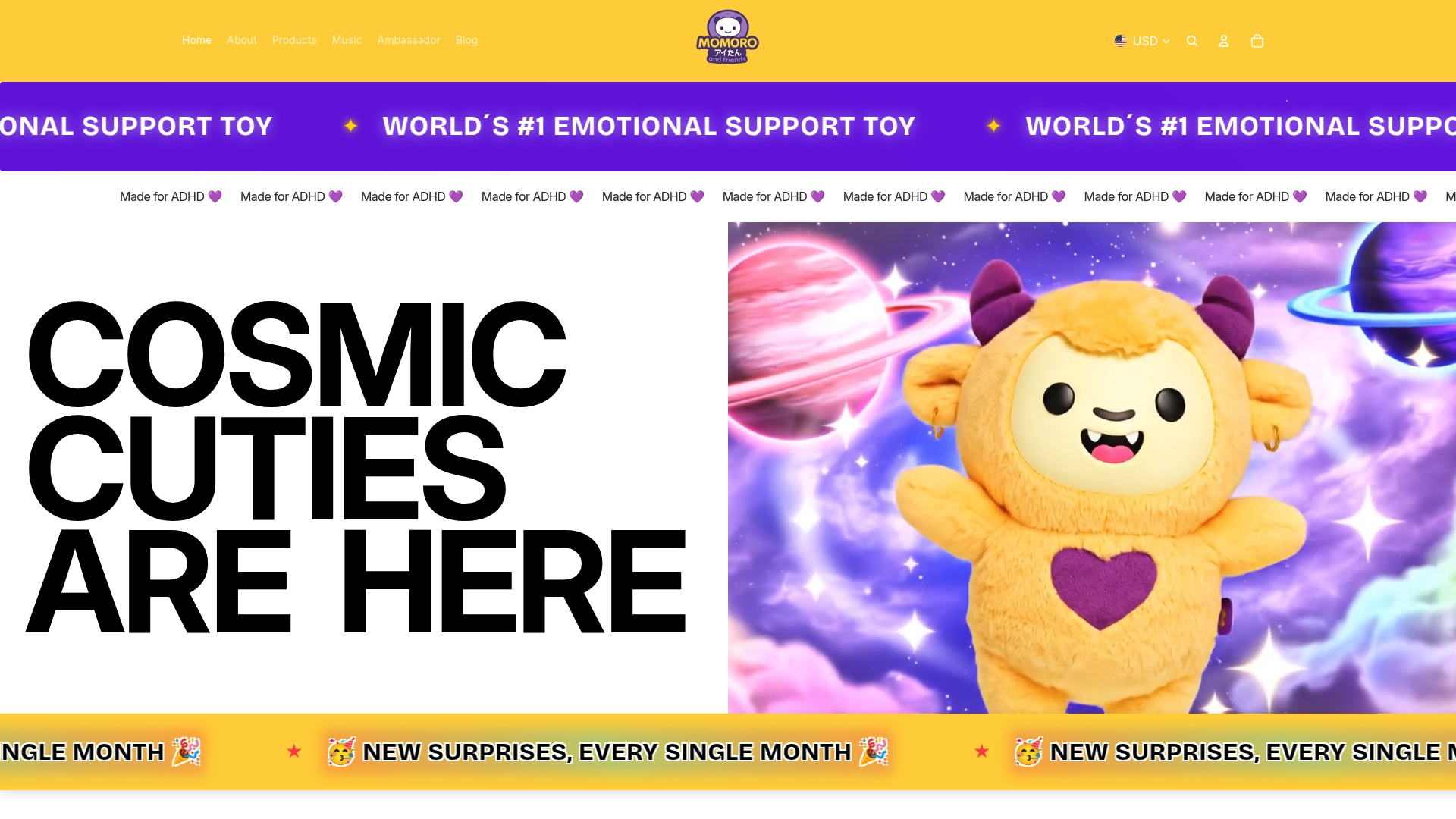
Embrace a supportive plush toy that grows with your child’s needs. Head to https://momoro.store now and unlock comfort, motivation, and meaningful connection in one delightful collectible.
Frequently Asked Questions
What are the sensory benefits of interactive plush toys for children with ADHD?
Interactive plush toys provide soothing tactile experiences that can help children with ADHD regulate their emotions. Choose plush toys with varied textures to enhance sensory input and offer comfort in overwhelming situations.
How can I use digital rewards from interactive plush toys to motivate my child?
Digital rewards can reinforce positive behaviours and maintain your child’s motivation. Set clear goals, such as completing homework, and let your child unlock digital content as they achieve these milestones.
What features should I look for in calming interactive plush toys for anxiety reduction?
Look for plush toys that offer deep pressure, soft textures, or gentle warming capabilities to help alleviate anxiety in children with ADHD. Introduce these toys during quiet moments to establish positive associations before they are needed in stressful situations.
How can interactive plush toys help improve my child’s focus of attention?
Interactive plush toys can provide engaging prompts that clarify tasks and help children with ADHD sustain their focus. Incorporate them into a daily routine, setting small attention goals that increase incrementally, making the process feel like play rather than work.
How can I encourage emotional awareness using interactive plush toys?
Utilise interactive plush toys during daily rituals to help your child express their emotions. Encourage them to share their feelings, fostering a supportive atmosphere for discussing emotions while making the experience fun and engaging.
What steps can I take to strengthen my relationship with my child through interactive play?
Dedicate regular, active time to play with the interactive plush toy together. Aim for at least 15 minutes daily, allowing your child to lead the interaction, which can facilitate communication and build trust.