

Over sixty percent of British parents report that daily anxiety impacts their children with ADHD, yet finding effective comfort solutions remains a challenge. In the search for supportive tools, interactive plush toys are emerging as a powerful option, blending soft reassurance with smart, engaging technology. This guide explores how these collectible companions offer emotional stability, giving British families new, evidence-backed ways to help children feel safer and more at ease during stressful moments.
Table of Contents
- What Is An Interactive Plush Toy?
- Types And Technology Behind Interactive Plush
- Features Supporting ADHD And Anxiety Relief
- UK Safety And Legal Requirements For Interactive Toys
- Privacy, Security And Responsible Use
- Comparing Interactive Plush With Other Solutions
Key Takeaways
| Point | Details |
|---|---|
| Interactive Plush Toys Enhance Emotional Support | These toys integrate technology to provide personalised and adaptive engagement that benefits children’s emotional regulation. |
| Sophisticated Sensor Technologies Improve Interaction | Advanced sensors enable nuanced responses to touch, enhancing the experience by making interactions feel more natural. |
| Therapeutic Potential for ADHD and Anxiety | Interactive plush toys offer consistent, gentle stimulation that helps children manage sensory overstimulation and emotional dysregulation. |
| Compliance with Safety Standards is Crucial | When purchasing, ensure the toys meet stringent UK safety regulations to protect children’s well-being and privacy. |
What Is An Interactive Plush Toy?
Interactive plush toys represent a fascinating fusion of comfort and technology, designed to provide emotional support and engagement for children with unique sensory needs. Unlike traditional stuffed animals, these innovative companions incorporate embedded sensors and wireless connectivity to create dynamic, responsive play experiences.
At their core, interactive plush toys are sophisticated sensory tools that go beyond simple cuddling. They are engineered to respond to physical interactions, with built-in capabilities like sound production, movement, and touch-sensitive reactions. These toys can speak, provide gentle feedback, and create meaningful engagement that supports children’s emotional regulation and cognitive development.
The technological integration in these plush toys allows for multisensory experiences that can be particularly beneficial for children with ADHD or anxiety. Interactive plush toys utilise embedded sensors to create personalised interactions, transforming a simple stuffed animal into a responsive companion that can help manage stress, provide comfort, and encourage positive emotional experiences.
Pro tip: When selecting an interactive plush toy, prioritise models with gentle, predictable responses that can help create a sense of emotional safety and predictability for children with sensory processing challenges.
Types and Technology Behind Interactive Plush
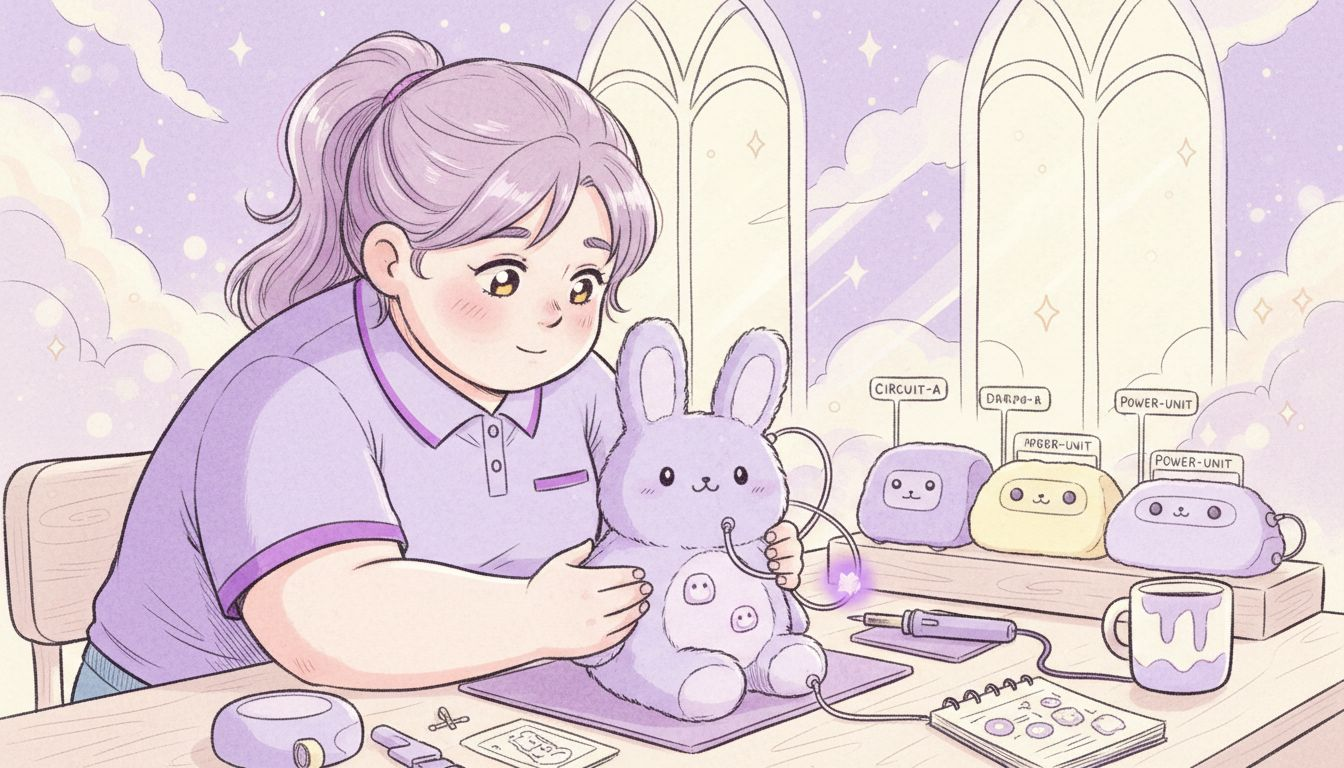
Interactive plush toys represent a cutting-edge technological approach to emotional support and sensory engagement. Modern interactive plush technologies incorporate sophisticated embedded sensor arrays that transform traditional soft toys into intelligent, responsive companions. These advanced systems include pressure sensors, touch recognition, and wireless connectivity components that enable dynamic interactions.
Sensor Technologies play a crucial role in creating responsive interactive plush experiences. Innovative fabric-based pressure sensor technologies allow for nuanced detection of physical interactions, enabling toys to distinguish between different types of touch such as patting, squeezing, or gentle stroking. This sophisticated sensing capability allows the plush to provide contextually appropriate responses, making the interaction feel more natural and engaging.
The most advanced interactive plush toys now integrate machine learning models that can adapt and personalise interactions. These intelligent systems can learn from repeated interactions, creating a unique experience tailored to the individual child’s emotional needs and interaction patterns. By combining soft, comforting textures with intelligent responsiveness, these toys offer a powerful tool for emotional regulation and sensory support.
Pro tip: When exploring interactive plush technologies, look for toys with multiple sensor types and adaptive learning capabilities to ensure the most comprehensive and personalised sensory experience.
Here’s a summary of advanced technologies found in interactive plush toys:
| Technology Type | How It Works | Impact on Experience |
|---|---|---|
| Pressure Sensors | Detects varied touch types | Enables responsive reactions |
| Wireless Connectivity | Links with apps or devices | Allows remote personalisation |
| Machine Learning | Adapts over time | Personalises emotional support |
| Sound & Vibration | Provides sensory feedback | Enhances comfort and engagement |
Features Supporting ADHD and Anxiety Relief
Interactive plush toys offer remarkable therapeutic potential for children struggling with ADHD and anxiety, providing multifaceted support beyond traditional comfort objects. These innovative toys combine educational and emotional support functionalities that promote holistic well-being, addressing complex sensory and emotional needs in unique, engaging ways.
Sensory Regulation Features are particularly critical for children with ADHD and anxiety. These plush companions provide predictable, controlled sensory input that can help manage overstimulation and emotional dysregulation. Key sensory support mechanisms include gentle vibration patterns, soft textural variations, and responsive touch interactions that create a sense of safety and predictability. By offering consistent, gentle stimulation, these toys help children develop self-soothing techniques and improve emotional resilience.
Beyond sensory support, interactive plush toys serve as powerful emotional co-regulators. They can provide calm, consistent responses during moments of heightened stress, acting as a reliable companion that offers non-judgmental support. The toys’ ability to respond with soothing sounds, gentle movements, or calming light patterns helps children learn emotional self-management strategies, transforming potential anxiety triggers into opportunities for emotional growth and self-understanding.
Pro tip: Select interactive plush toys with multiple sensory features and customisable response settings to create a personalised anxiety management tool that grows with your child’s evolving emotional needs.
UK Safety And Legal Requirements For Interactive Toys
Interactive plush toys sold in the United Kingdom must navigate a complex landscape of stringent safety regulations designed to protect children. The Toys (Safety) Regulations 2011 establish comprehensive essential safety requirements for toys marketed in Great Britain, covering critical aspects such as electrical safety, mechanical properties, chemical composition, and flammability.
Electronic Safety Standards are particularly crucial for interactive plush toys with integrated technological features. Recent UK updates have aligned toy safety standards with rigorous European harmonised norms, with special emphasis on battery-powered components. Manufacturers must ensure that interactive elements like sound, movement, and digital connectivity meet strict electrical safety benchmarks, including comprehensive testing for potential hazards such as overheating, electrical interference, and battery containment.
Beyond technical specifications, legal requirements demand extensive documentation and compliance verification. Toy manufacturers must provide comprehensive technical documentation demonstrating that each interactive plush meets multiple safety criteria. This includes detailed testing reports, material composition analyses, and evidence of compliance with age-appropriate design standards. Parents can feel reassured that legally mandated safety protocols protect children from potential risks associated with advanced interactive technologies.
Pro tip: Always check for official safety certification marks and request comprehensive safety documentation when purchasing interactive plush toys to ensure complete compliance with UK regulatory standards.
Privacy, Security And Responsible Use
Connected interactive plush toys require sophisticated privacy and security frameworks to protect children’s digital interactions and personal information. These technological companions must navigate complex regulatory landscapes, balancing innovative features with robust data protection standards that prioritise child safety and digital well-being.
Data Protection Protocols are critical in maintaining the integrity of interactive plush technologies. Manufacturers must comply with stringent UK GDPR and Children’s Code requirements, ensuring lawful, transparent, and age-appropriate data processing. This means implementing comprehensive safeguards that protect children’s personal information, including secure data transmission, limited data collection, and explicit parental consent mechanisms.
Responsible use extends beyond technical compliance to encompass ethical design principles. Interactive plush manufacturers must develop toys that respect children’s privacy, providing transparent information about data usage, offering robust parental control settings, and ensuring that digital interactions remain safe, educational, and developmentally appropriate. The goal is to create technology that supports emotional well-being without compromising personal security.
Pro tip: Always review the privacy policy and data protection settings of interactive plush toys, and regularly update device firmware to maintain the highest levels of digital security for your child.
Comparing Interactive Plush With Other Solutions
Interactive plush toys offer a more holistic approach to managing ADHD and anxiety compared to traditional sensory tools, providing a unique blend of emotional support and therapeutic engagement that goes beyond simple sensory input. While traditional fidget devices focus primarily on momentary attention regulation, these advanced plush companions integrate multiple support mechanisms.
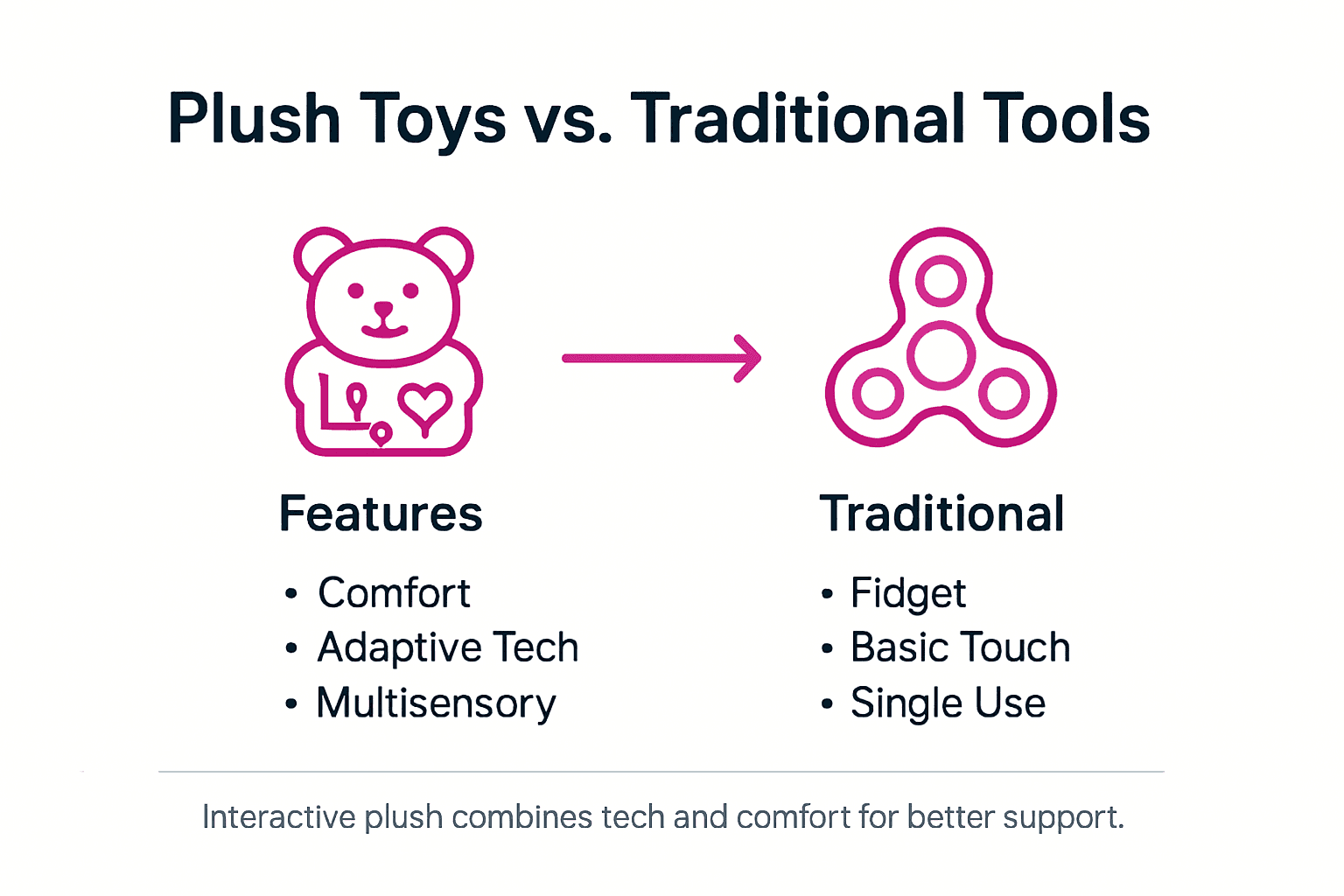
Sensory Management Comparison reveals significant differences between interactive plush and conventional tools. Fidget devices like spinners and stress balls provide targeted sensory stimulation, but lack the comprehensive emotional and learning support inherent in interactive plush technologies. Interactive plush toys distinguish themselves by offering a multi-dimensional experience that simultaneously addresses sensory needs, emotional regulation, and educational development.
Unlike single-purpose sensory tools, interactive plush create an immersive environment of comfort and learning. They adapt to a child’s emotional state, provide gentle feedback, and offer consistent, predictable interactions that can help reduce anxiety and improve focus. This comprehensive approach makes them particularly valuable for children with complex sensory processing needs, transforming a simple toy into a sophisticated emotional support system.
Pro tip: Consider interactive plush as a complementary tool alongside existing therapeutic strategies, evaluating how its multisensory features can be integrated into your child’s specific emotional and developmental support plan.
Comparing interactive plush toys with traditional sensory tools:
| Aspect | Interactive Plush Toy | Traditional Sensory Tools |
|---|---|---|
| Emotional Support | Personalised, adaptive feedback | Limited or passive support |
| Sensory Variety | Multiple integrated stimuli | Typically single stimulus |
| Learning Features | Machine learning and education options | No adaptive learning |
| Regulation Benefits | Aids self-soothing and anxiety relief | Focus on distraction and touch |
Discover Comfort and Calm with MOMORO & FRIENDS Interactive Plush Toys
The challenges of managing ADHD and anxiety require thoughtful, personalised solutions that provide both emotional support and sensory engagement. MOMORO & FRIENDS blends technology and heartfelt design to meet these needs through interactive plush toys that offer gentle, adaptive responses alongside creative digital experiences. These Japanese-inspired plush toys transform comforting textures into powerful tools for self-soothing and emotional regulation founded on the same principles of embedded sensor technology and mindful interaction discussed in this article.
Explore the exclusive collection at Shop Japanese-Inspired Plush Toys for ADHD & Anxiety – MOMORO & Friends today and see how each NFC-enabled collectible unlocks monthly digital gifts designed to ease stress and brighten everyday moods. Limited availability with only 5,000 units per drop makes this an urgent opportunity to elevate your child’s emotional well-being with innovation and heart. Visit https://momoro.store now to bring calming technology home and start the journey towards greater comfort and creativity.
Frequently Asked Questions
What are interactive plush toys?
Interactive plush toys are technologically advanced companions designed to provide emotional support and engagement, incorporating sensors and connectivity to respond dynamically to children’s interactions.
How can interactive plush toys help children with ADHD and anxiety?
These toys offer multisensory experiences that assist in emotional regulation, provide calming stimuli, and help children develop self-soothing techniques, making them effective tools for managing ADHD and anxiety symptoms.
What types of technology are used in interactive plush toys?
Interactive plush toys typically integrate pressure sensors, machine learning, wireless connectivity, and sound or vibration features to create personalised, responsive interactions tailored to each child’s needs.
How do interactive plush toys compare to traditional sensory tools?
While traditional sensory tools focus mainly on providing sensory input, interactive plush toys offer a more comprehensive solution by combining emotional support, educational elements, and dynamic responses to engage children more effectively.