

Over 70 percent of British parents say managing daily stress for children with ADHD feels like a constant uphill climb. Finding safe and creative ways to support emotional health is more urgent than ever before. Plush toys can be a powerful ally, turning ordinary moments into sensory experiences that ease anxiety and bring routine to life. Discover how interactive routines with comforting plush companions offer practical support for your child’s well-being.
Table of Contents
- Step 1: Prepare Your Plush And Environment
- Step 2: Integrate Nfc-Enabled Features And Gifts
- Step 3: Establish Daily Calming Routine Together
- Step 4: Monitor Mood And Adjust Routine As Needed
- Step 5: Celebrate Progress With Interactive Rewards
Quick Summary
| Key Insight | Explanation |
|---|---|
| 1. Create a calming environment | Use soft lighting and minimal distractions to set up a comforting space with your plush toy. |
| 2. Integrate NFC features wisely | Explore NFC-enabled interactions to unlock personalised content that supports emotional regulation and ADHD management. |
| 3. Establish a consistent routine | Dedicate specific times for plush interactions to create a predictable framework for emotional support. |
| 4. Track mood and adjust accordingly | Monitor your emotional responses to interactions and adapt your routine based on what feels most helpful. |
| 5. Celebrate progress with rewards | Design a fun reward system that acknowledges small achievements and encourages consistency in your routine. |
Step 1: Prepare your plush and environment
Creating a calming space with your plush toy involves more than just placing it nearby. You will transform your environment into a sensory sanctuary designed to reduce anxiety and support focus for individuals with ADHD.
Start by selecting a quiet area with minimal distractions. This might be a corner of your bedroom or a dedicated relaxation space where you can sit comfortably. Soft lighting helps significantly here. Consider using warm lamp tones or dimmed overhead lights to create a soothing atmosphere. When setting up, ensure your plush is within easy reach and feels inviting.
Mental health professionals recommend creating spaces conducive to emotional regulation. Your plush becomes more than just a toy - it becomes a sensory anchor. Position it where you can easily touch or hold it during moments of stress. Some people find placing the plush on a soft cushion or near a weighted blanket enhances the calming environment.
Expert Tip: Keep your plush in a consistent, easily accessible location to help build a predictable routine and provide immediate comfort when needed.
Here’s a quick reference comparing sensory support methods for individuals with ADHD:
| Method | Sensory Focus | Ease of Use | Suitable for children |
|---|---|---|---|
| Plush Toy | Tactile comfort | Very simple | Yes |
| Weighted Blanket | Pressure stimulation | Requires setup | Yes |
| Soft Lighting | Visual calming | Automatic once set | Yes |
| Digital Audio (NFC) | Auditory relaxation | Requires device | Yes, with supervision |
Step 2: Integrate NFC-enabled features and gifts
Now we dive into the magical world of digital interaction where your plush becomes more than just a cuddly companion. These NFC-enabled toys transform from simple comfort objects into interactive support tools that can help manage ADHD symptoms and emotional regulation.

Start by exploring the unique digital gifts connected to your plush. Each NFC chip contains personalised content designed to support your routine. Tap your plush against your smartphone or designated device to unlock monthly digital experiences. These might include personalised digital care technologies that provide calming audio, gentle reminders, or interactive mindfulness exercises tailored specifically to your needs.
Understanding how to use these digital features effectively is crucial. Some plush toys offer sensory stimulation through sound or light when tapped, while others provide scheduling prompts or breathing exercise guides. These interactive elements are carefully designed to support individuals with ADHD by offering predictable, engaging digital experiences that complement physical comfort.
Expert Tip: Experiment with different digital interactions at times when you feel calm to build familiarity and reduce potential overstimulation.
Below is a summary of interactive NFC-enabled plush functions and their potential benefits:
| Feature | Function | Potential Benefit |
|---|---|---|
| Calming audio | Plays soothing sounds | Eases anxiety, improves focus |
| Scheduling prompts | Sends gentle reminders | Builds routine, reduces forgetfulness |
| Light interaction | Visual feedback cues | Engages senses, rewards routine |
| Mindfulness exercises | Guides relaxation | Supports emotional regulation |
Step 3: Establish daily calming routine together
Building a consistent routine transforms your plush from a simple toy into a powerful emotional support tool. Your goal is creating a predictable sequence of interactions that provides comfort and structure for managing ADHD symptoms.
Start by selecting specific times during your day for plush interactions. Developing stable daily routines helps build emotional resilience. Perhaps use your plush during morning breathing exercises, as a midday stress checkpoint, or during evening wind down. The key is consistency. Make these interactions gentle and pressure-free. Some people find morning meditation with their plush helpful, while others prefer using it during work breaks as a grounding mechanism.
Consider documenting your routine in a simple tracker. Track how different interactions make you feel. Does morning tapping provide more calm than afternoon? Are breathing exercises more effective when your plush is nearby? This personalised approach helps you understand your unique emotional regulation patterns.
Expert Tip: Create a flexible routine that adapts to your energy levels while maintaining core interaction points with your plush.
Step 4: Monitor mood and adjust routine as needed
Tracking your emotional journey with a plush companion is about understanding your unique rhythms and creating a responsive support system. This step transforms your routine from rigid to wonderfully adaptive.
Start by creating a simple mood tracking method. Ongoing management strategies help personalise your approach. Use a journal or digital app to note how interactions with your plush impact your emotional state. Record details like time of day, specific interactions, and your resulting feelings. Are morning taps more calming than evening cuddles? Does holding your plush during stressful moments significantly reduce anxiety?
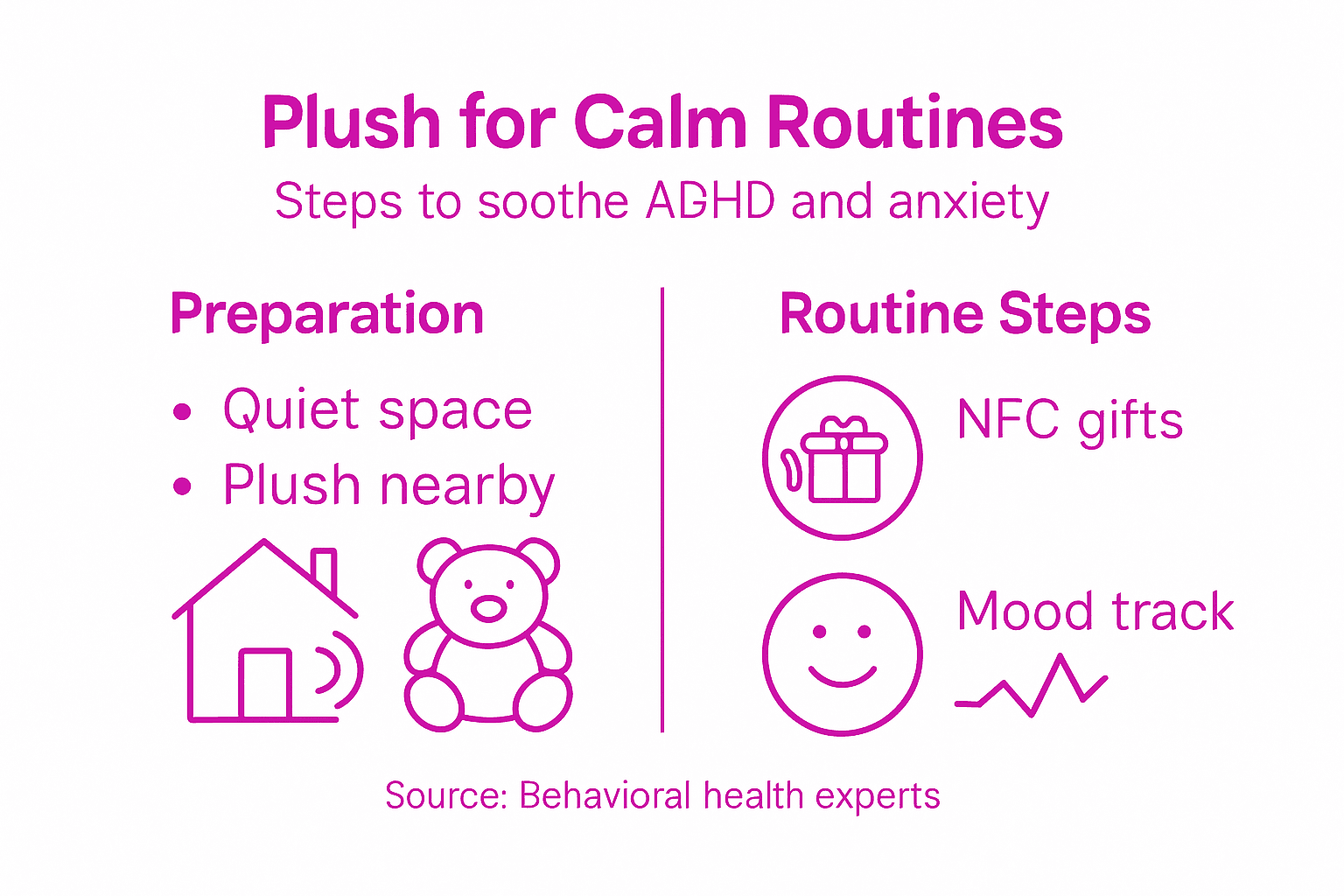
Remember that flexibility is key. Some days you might need more sensory support, while other days require minimal interaction. Your plush routine should breathe and move with your changing emotional landscape. Pay attention to patterns. If you notice certain interactions consistently improve your mood, lean into those. If something feels overwhelming, give yourself permission to adjust.
Expert Tip: Create a mood tracking system that feels gentle and supportive rather than like another task to complete.
Step 5: Celebrate progress with interactive rewards
Reward systems transform routine management from a chore into an exciting journey of self discovery. Your plush companion becomes more than just a comfort object - it becomes a cheerleader for your emotional growth and consistency.
Create a personalised tracking system that feels fun and engaging. Reward strategies for ADHD support can include digital badges, special plush interactions, or NFC triggered celebrations. Perhaps your plush gets a special light show when you complete a week of consistent routines. Maybe unlocking a digital gift becomes your motivation. The key is making rewards feel meaningful and tailored to your specific interests and emotional needs.
Remember that rewards are not about perfection but progress. Some days you might nail your routine, other days you might struggle. Your reward system should celebrate effort and consistency rather than demanding absolute precision. Consider creating a reward spectrum that acknowledges small wins as much as big achievements.
Expert Tip: Design rewards that excite you personally rather than following a generic template.
Discover Soothing Routines with MOMORO & FRIENDS Plush Toys
If you are looking for effective ways to calm ADHD and anxiety through consistent, comforting routines the article “How to Use Plush for Routines: Calm ADHD and Anxiety” highlights core challenges such as creating predictable emotional support and integrating sensory tools. MOMORO & FRIENDS’s Japanese-inspired plush toys are designed specifically to meet these needs by combining tactile comfort with innovative NFC-enabled digital gifts that deliver calming audio, mindfulness exercises, and encouraging reminders. These features align perfectly with expert advice on building adaptable daily routines and mood tracking for emotional regulation.
Experience the unique blend of physical softness and technology that transforms your plush into a reliable ally for managing stress and sustaining focus. Explore the full collection of Shop Japanese-Inspired Plush Toys for ADHD & Anxiety – MOMORO & Friends and start creating your personalised calming ritual today.
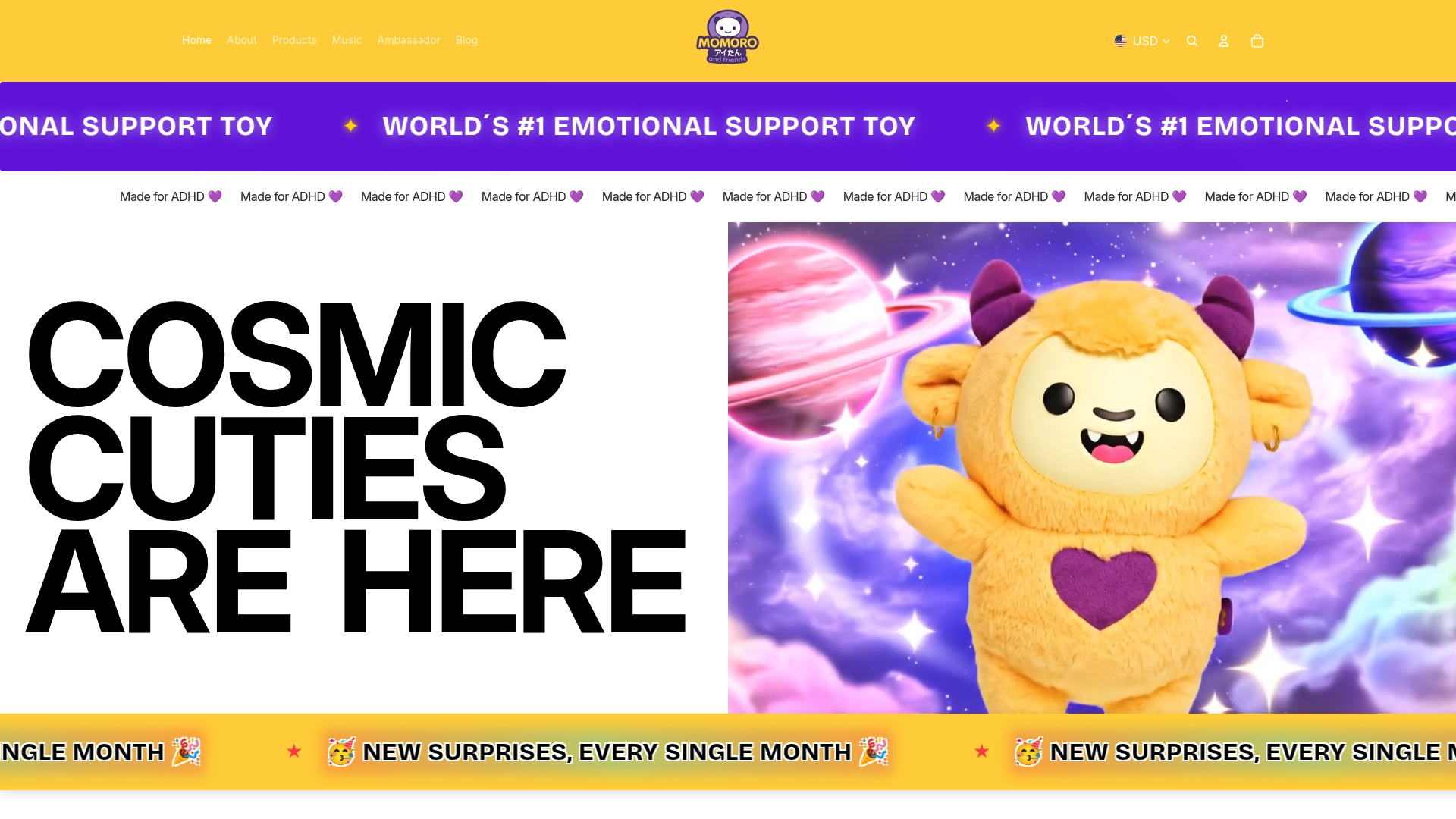
Elevate your self-care routine by inviting a MOMORO companion into your life. Don’t wait to unlock the emotional benefits of interactive support tailored just for you. Visit https://momoro.store now and experience how comfort and technology come together to brighten your everyday mood.
Frequently Asked Questions
How can I create a calming space with my plush toy?
Creating a calming space involves selecting a quiet area and using soft lighting to minimise distractions. Position your plush toy where it’s easily accessible, making it a sensory anchor for moments of stress.
What are some interactive features to look for in NFC-enabled plush toys?
NFC-enabled plush toys often provide calming audio or visual feedback, gentle reminders, and mindfulness exercises. Explore these features to discover which digital interactions best support your emotional needs and routines.
How do I establish a daily routine with my plush toy?
To establish a daily routine, choose specific times for interacting with your plush, such as during morning meditation or as a stress checkpoint during the day. Keep the interactions consistent but gentle to build a reliable emotional support system.
How can I monitor my mood and adjust my plush toy routine?
Track your emotional state using a simple journal or app to note how interactions with your plush impact your feelings. Adjust your routine based on these observations, allowing for flexibility to respond to your changing emotional needs.
What are some rewarding ways to celebrate progress with my routines?
Implement a personal reward system that acknowledges effort and consistency, such as digital badges or special plush interactions. Make sure these rewards feel meaningful to you, celebrating small wins as well as significant achievements.
How can the plush toy help in managing anxiety symptoms?
The plush toy serves as a tactile comfort and sensory anchor that can help regulate emotions and reduce anxiety. Regular interactions, especially during stressful moments, can provide immediate comfort and support emotional stability.