

Finding genuine comfort can feel challenging when anxiety and ADHD are part of your daily life. In the british community, a rising number of young adults are turning to collectible plushies to ease stress and create moments of calm. Studies reveal plush toys can spark oxytocin release, promoting emotional stability and reducing cortisol levels. This guide explores how plushies offer more than just cute company and why they matter for british mental health support.
Table of Contents
- What Are Plushies for Mental Health?
- Types of Plushies for Emotional Support
- How Plushies Provide Comfort and Calm
- Digital Collectibles and Monthly Benefits
- Potential Risks and Best Practices in the UK
Key Takeaways
| Point | Details |
|---|---|
| Therapeutic Plushies Offer Emotional Support | Mental health plushies provide comfort for individuals with anxiety and ADHD, triggering calming neurological responses through tactile interaction. |
| Diverse Types Cater to Specific Needs | Emotional support plushies include weighted and sensory options, each designed to address unique mental health challenges and promote emotional regulation. |
| Digital Collectibles Enhance Engagement | Digital plushies introduce ongoing emotional support through interactive experiences, offering personalised resources that evolve with users’ needs. |
| Responsible Use is Essential | It is crucial to implement hygiene practices and consult professionals to ensure plushies are used safely and effectively in emotional support strategies. |
What Are Plushies for Mental Health?
Mental health plushies are soft, cuddly companions designed to provide emotional comfort and support for individuals experiencing anxiety, ADHD, and other mental health challenges. These therapeutic stuffed animals go far beyond traditional toys - they’re strategic tools crafted to help people manage complex emotional landscapes through sensory regulation and psychological comfort.
Plushies work by triggering calming neurological responses that help rewire the brain’s stress mechanisms. When someone hugs a plushie, their body releases oxytocin - the “comfort hormone” - which naturally reduces cortisol levels and promotes feelings of safety and emotional stability. For individuals with ADHD or anxiety, this tactile interaction provides an immediate, accessible method of self-soothing that doesn’t require complex interventions.
The therapeutic benefits of mental health plushies extend across different age groups and conditions. Specially designed comfort objects can help individuals manage sensory processing challenges, provide grounding during overwhelming moments, and create a sense of predictable emotional support. Key features often include:
- Soft, weighted textures for deep pressure stimulation
- Predictable, comforting shapes that feel safe to hold
- Potential sensory elements like different fabric textures
- Portable size for on-the-spot emotional regulation
Pro Tip - Comfort Companion Selection: Choose a plushie that feels personally meaningful to you, with textures and characteristics that genuinely provide a sense of calm and security. The most effective mental health plushies are the ones that resonate with your unique emotional needs.
Types of Plushies for Emotional Support
Emotional support plushies come in diverse varieties, each designed to address specific mental health needs and provide unique therapeutic benefits. Comparative research reveals several distinct categories that cater to different psychological and sensory requirements, making these comfort objects far more sophisticated than traditional stuffed animals.
One primary category is weighted plushies, which offer deep pressure stimulation to help individuals with anxiety, ADHD, and sensory processing challenges. These heavier companions provide a calming, grounding sensation that mimics a gentle hug, helping to reduce stress and promote emotional regulation. Another fascinating type is sensory plushies, which incorporate multiple textural elements like soft fur, smooth patches, and varied fabric surfaces to engage the tactile system and provide multisensory comfort.
Emotional support plushies can be strategically categorised into several key types:
Here’s a summary of common plushie types and their primary mental health benefits:
| Plushie Type | Target Condition | Benefit Provided |
|---|---|---|
| Weighted Animal | Anxiety, ADHD | Deep pressure, calming sensation |
| Sensory Companion | Sensory challenges | Multitexture, sensory engagement |
| Mini Portable Plushie | General stress | Easy carrying, immediate relief |
| High-Tech Interactive Plush | Mood instability | Digital tracking, adaptive support |
- Large Weighted Animals: Provide comprehensive deep pressure support
- Mini Portable Plushies: Designed for on-the-go emotional regulation
- Themed Companions: Tailored for specific emotional challenges like anxiety or grief
- High-Tech Interactive Plushies: Featuring digital connection or stress-tracking capabilities
Pro Tip - Perfect Plushie Matching: Select a plushie that resonates with your personal emotional needs, considering factors like size, weight, texture, and any specific sensory preferences you might have.
How Plushies Provide Comfort and Calm
The neuroscience of comfort through plushies reveals a fascinating mechanism of emotional regulation. When individuals with ADHD or anxiety interact with a soft, comforting plush, their bodies trigger a remarkable neurochemical response that helps stabilise emotional states and reduce psychological tension.
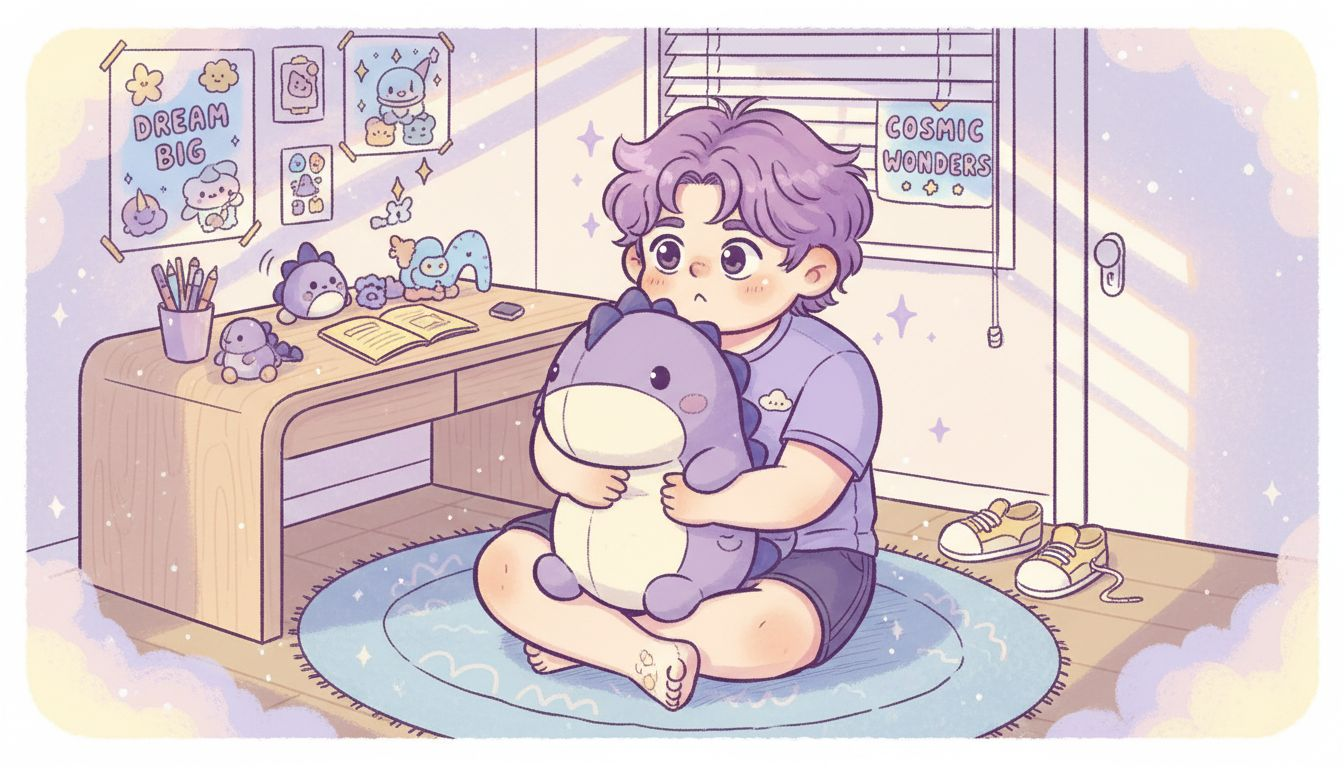
Specifically, physical contact with a plushie stimulates the release of critical neurochemicals that directly impact emotional wellbeing. Hugging or holding a plush companion prompts the brain to produce oxytocin - often called the “bonding hormone” - while simultaneously reducing cortisol, the primary stress hormone. This biochemical shift creates an almost immediate sense of calm, providing a tangible method of self-soothing that doesn’t require complex interventions.
The comfort mechanism works through several key psychological and physiological pathways:
- Sensory Grounding: Provides tactile stimulation that interrupts anxiety spirals
- Predictable Comfort: Offers a consistent, non-judgmental emotional anchor
- Neurochemical Regulation: Triggers hormones that naturally reduce stress
- Emotional Distraction: Shifts focus away from overwhelming thoughts
Pro Tip - Comfort Companion Selection: Choose a plushie with textures and characteristics that feel genuinely soothing to you, understanding that the most effective emotional support comes from a personal connection that feels authentically comforting.
Digital Collectibles and Monthly Benefits
The emerging trend of digital collectible plushies represents a fascinating intersection of technology, mental health support, and community engagement. These innovative collectibles go far beyond traditional toys, offering a dynamic approach to emotional wellbeing that resonates particularly with younger generations seeking meaningful connections and personalised self-care strategies.
Modern digital collectible plushies introduce a revolutionary concept of continuous engagement through monthly digital experiences. Each collectible arrives with unique digital content - perhaps stress management resources, mood tracking tools, or interactive experiences designed to provide ongoing emotional support. This approach transforms the plushie from a static comfort object into an evolving companion that adapts to the user’s changing emotional landscape and provides consistent, personalised mental health resources.
Key benefits of digital collectible plushies include:
This table compares physical and digital plushie companions in terms of features and user engagement:
| Companion Type | Unique Features | User Engagement Methods |
|---|---|---|
| Physical Plushie | Weighted, textured, tangible | Tactile comfort, personalisation |
| Digital Collectible | Online content, mood tools | Interactive experiences, updates |
- Predictable Monthly Excitement: Regular drops create anticipation and joy
- Personalised Digital Experiences: Tailored content matching individual needs
- Community Connection: Online platforms for sharing and support
- Continuous Mental Health Resources: Evolving digital tools and interactions
Pro Tip - Digital Companion Selection: Choose digital collectible plushies that offer interactive features matching your specific emotional support requirements, and remain open to exploring how these evolving technologies can supplement your mental health toolkit.
Potential Risks and Best Practices in the UK
While plushies offer remarkable therapeutic benefits, professional guidance emphasises the critical importance of responsible usage and safeguarding, especially when supporting individuals with mental health challenges or developmental needs. The UK’s professional healthcare frameworks underscore the necessity of implementing comprehensive risk assessment protocols that balance emotional support with safety considerations.
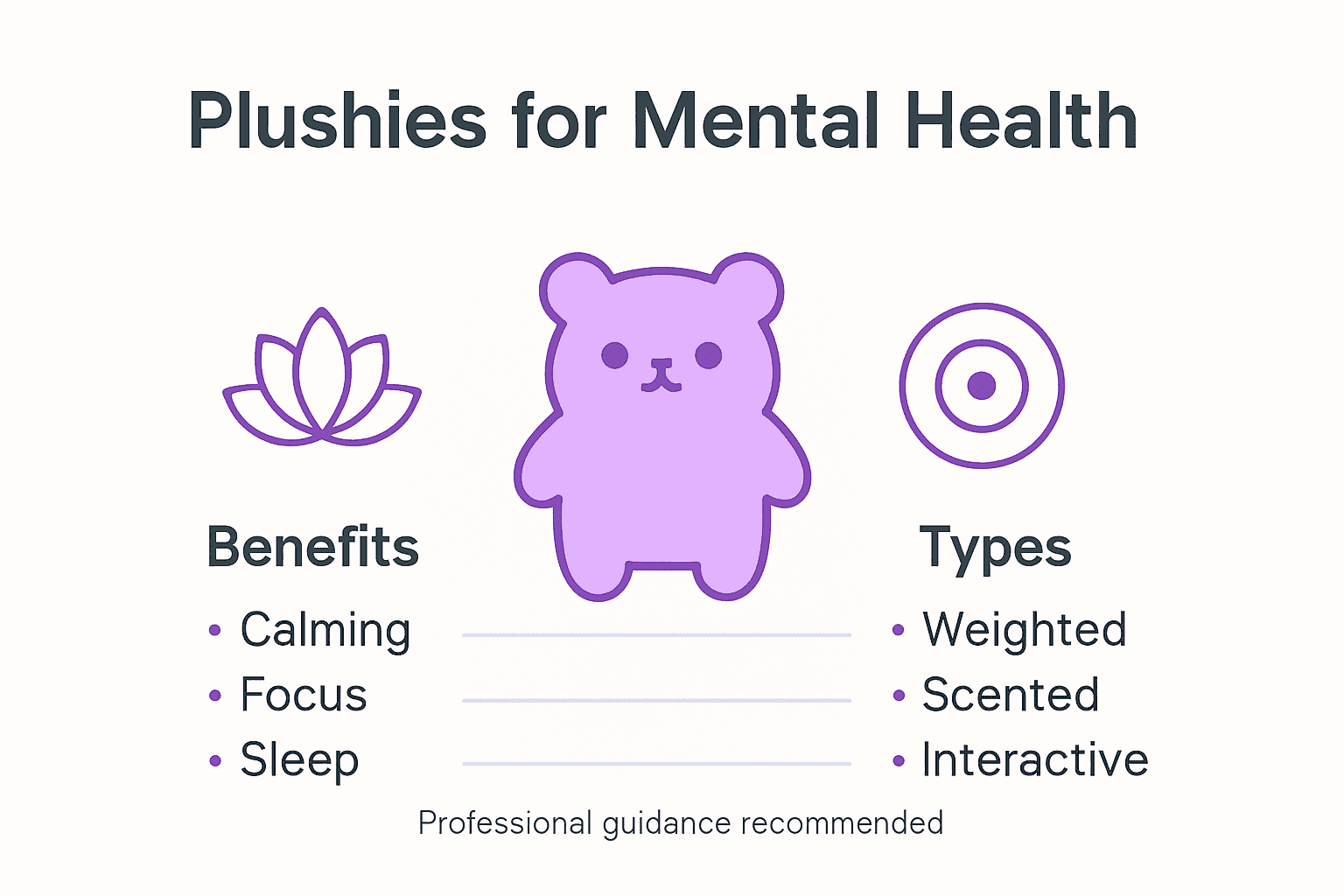
Specifically, practitioners and individuals must be mindful of several potential risks associated with plush companions. These include hygiene concerns, potential attachment dependencies, and the need for age-appropriate selection. The guidance suggests maintaining clear boundaries, regularly sanitising plushies, and ensuring that emotional support tools complement rather than replace professional mental health interventions.
Key best practices for responsible plushie use include:
- Regular Cleaning: Maintain strict hygiene standards
- Professional Consultation: Discuss plushie use with mental health professionals
- Boundary Management: Prevent over-reliance on comfort objects
- Age-Appropriate Selection: Choose plushies matching developmental needs
- Monitored Engagement: Track emotional responses and attachment levels
Pro Tip - Safety First: Consult with a mental health professional to develop a personalised approach to using plushies as part of your emotional support strategy, ensuring they enhance rather than replace professional care.
Discover the Comfort and Calm of MOMORO & FRIENDS Plushies
Managing anxiety and ADHD requires tools that offer more than just momentary relief. This article highlights how sensory grounding, calming neurochemical responses, and emotional support are essential to reduce stress and provide steady comfort. If you are searching for a plush companion designed specifically to meet these needs with thoughtful textures, soothing weighted options, and digital interactivity, MOMORO & FRIENDS offers a unique solution that bridges tactile comfort with innovative technology.
Experience the breakthrough of Japanese-inspired plush toys specially crafted for ADHD and anxiety by exploring our collection Shop Japanese-Inspired Plush Toys for ADHD & Anxiety – MOMORO & Friends.
Bring home a plush that understands your emotional needs and enhances your self-soothing routines with monthly digital gifts to boost your mood. Limited to 5,000 units per drop, MOMORO is more than a plushie it is a supportive companion. Start your calming journey today at MOMORO Store and explore how combining comfort, creativity, and technology can help you manage stress and anxiety better.
Frequently Asked Questions
What are mental health plushies?
Mental health plushies are specially designed soft toys that provide emotional support and comfort for individuals facing mental health challenges such as anxiety and ADHD. They help regulate emotions and sensory responses through tactile interaction.
How do plushies help with anxiety and ADHD?
Plushies help by triggering calming neurological responses in the brain, releasing oxytocin, the ‘comfort hormone’, and reducing cortisol levels, which can alleviate feelings of anxiety and support emotional regulation in individuals with ADHD.
What types of plushies are available for emotional support?
There are various types of plushies designed for emotional support, including weighted plushies for deep pressure stimulation, sensory plushies with different textures, and mini portable plushies for on-the-go comfort. Each type targets specific mental health needs.
Are there any risks associated with using plushies for emotional support?
Yes, potential risks include hygiene concerns and over-reliance on plushies as a coping strategy. It’s essential to maintain cleanliness, choose age-appropriate plushies, and consult with mental health professionals for guidance on their use.