

Over 40% of British children with ADHD or anxiety struggle to find lasting comfort from typical emotional support tools. As a parent, spotting your child’s subtle stress signals can be difficult, especially when conventional approaches feel out of touch with their needs. Interactive collectibles like MOMORO offer new ways to help British families foster resilience and emotional connection, providing practical strategies that blend play with sensory support.
Table of Contents
- Step 1: Assess Your Child’s Emotional Support Needs
- Step 2: Select A Weighted Plush Suitable For ADHD And Anxiety
- Step 3: Introduce Interactive Features To Enhance Comfort
- Step 4: Monitor Your Child’s Response And Emotional Progress
- Step 5: Verify Effectiveness For Long-Term Wellbeing
Quick Summary
| Key Insight | Explanation |
|---|---|
| 1. Track your child’s emotional cues | Observe and document changes in your child’s behaviour to identify emotional distress signs, aiding targeted support for ADHD and anxiety. |
| 2. Choose the right weighted plush | Select a weighted plush that aligns with your child’s sensory needs, ensuring it is comfortable and safe for their use. |
| 3. Incorporate interactive features | Engage your child with plushies that have multisensory elements to enhance comfort and emotional regulation through interactive play. |
| 4. Monitor emotional progress consistently | Keep a diary of your child’s interactions with their weighted plush to assess changes in anxiety, mood, and behaviour over time. |
| 5. Assess long-term effectiveness regularly | Conduct periodic reviews with healthcare professionals to evaluate ongoing benefits of the weighted plush in your child’s overall emotional wellbeing. |
Step 1: Assess your child’s emotional support needs
Navigating your child’s emotional landscape requires careful observation and understanding. When supporting children with ADHD and anxiety, recognising subtle signs becomes crucial to providing targeted emotional care.
Start by tracking your child’s behavioural patterns across different environments. Emotional distress signs can manifest uniquely in children, so pay attention to changes in mood, social interactions, academic performance, and stress responses. Notice how they handle transitions, manage frustration, or react to sensory stimuli. Some children might withdraw, while others become hyperactive or demonstrate increased emotional sensitivity.
Professional assessment remains key. ADHD is a neurodevelopmental condition affecting thinking, feeling, and behaviour, requiring nuanced understanding. Consider consulting a child psychologist or educational specialist who can provide comprehensive evaluation. They will help distinguish between typical developmental challenges and potential support needs specific to ADHD and anxiety.
Expert Suggestion: Create a detailed observation journal tracking your child’s emotional triggers, responses, and coping mechanisms to support professional assessment.
Here is a summary of behavioural clues that may signal emotional distress in children with ADHD and anxiety:
| Indicator | Possible Emotional Meaning | Appropriate Response |
|---|---|---|
| Mood swings | Fluctuating anxiety or stress | Provide calm reassurance |
| Social withdrawal | Overwhelm or fear | Encourage gentle interaction |
| Hyperactivity | Sensory overload | Offer structured activities |
| Increased sensitivity | Emotional overload | Allow breaks and self-soothing |
| Academic decline | Hidden distress or worry | Communicate with teachers |
Step 2: Select a weighted plush suitable for ADHD and anxiety
Finding the right weighted plush can transform emotional support for children managing ADHD and anxiety. This selection process requires thoughtful consideration of your child’s unique sensory needs and comfort preferences.
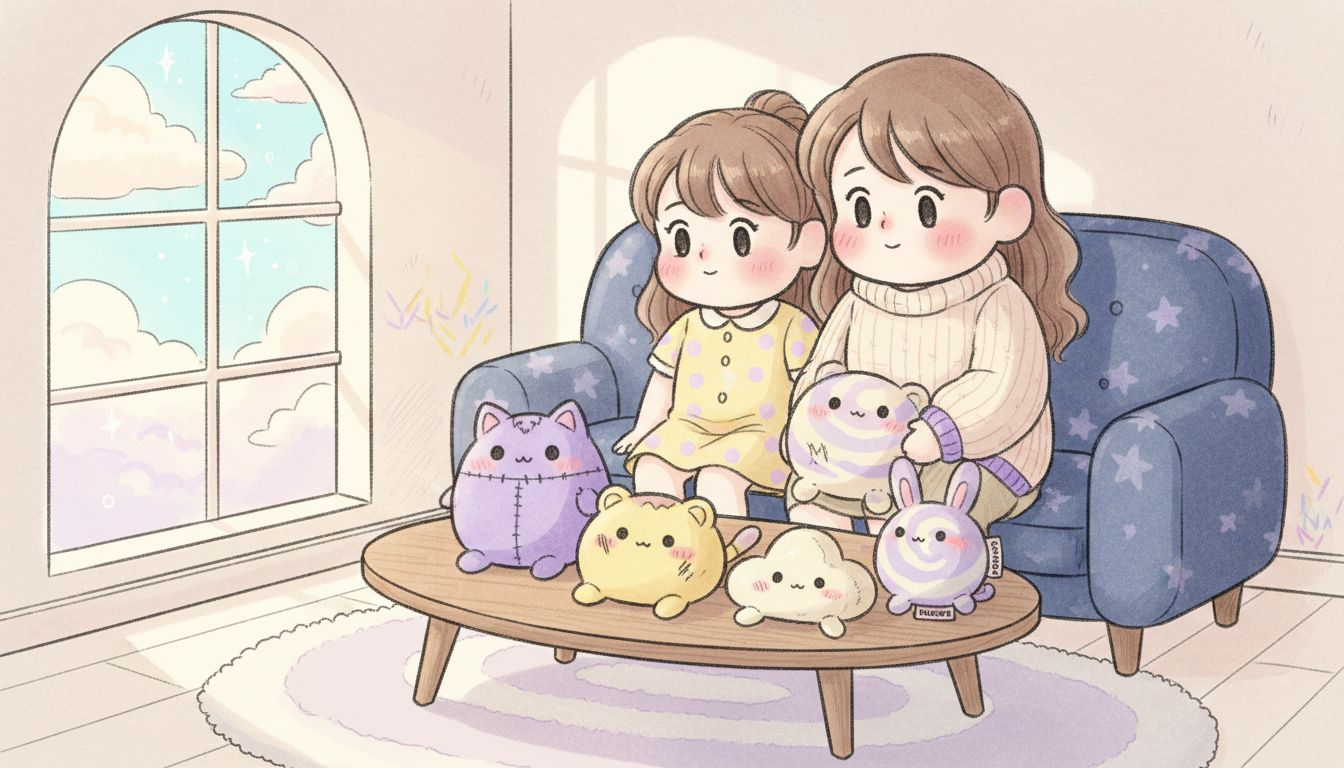
Occupational therapy guidelines recommend selecting weighted products calibrated to approximately 10% of body weight, ensuring appropriate sensory stimulation without overwhelming your child. When exploring emotional support plush options, prioritise plushies that offer gentle deep pressure stimulation. Look for toys with adjustable weights, soft textures, and designs that resonate with your child’s interests.
Carefully assess individual safety requirements. Weighted products should always allow free movement and breathing, with continuous parental monitoring. Choose plushies that can be easily removed, ensuring your child maintains control over their sensory experience. Consider consulting an occupational therapist for personalised recommendations tailored to your child’s specific sensory processing needs.
Expert Suggestion: Involve your child in the selection process to ensure they feel comfortable and connected with their emotional support plush.
Step 3: Introduce interactive features to enhance comfort
Engaging interactive features can transform a simple weighted plush into a powerful emotional support tool for children with ADHD and anxiety. By carefully selecting multisensory elements, you can create a more personalised and comforting experience.
Multisensory elements are crucial for improving engagement and emotional regulation, so consider plushies with diverse interactive components. Look for toys with removable weighted inserts, textured patches, quiet sound elements, or hidden sensory beads that can be manipulated. These features provide tactile stimulation and help redirect anxious energy into constructive sensory exploration. Explore interactive plush designs that offer gentle, predictable sensory input which can help calm an overstimulated nervous system.
Encourage your child to explore these interactive elements gradually. Some children might prefer subtle textures, while others enjoy more complex sensory experiences. Observe their reactions and allow them to guide the interaction, ensuring the plush becomes a trusted companion rather than an overwhelming object.
Expert Suggestion: Rotate and introduce different interactive features periodically to maintain your child’s interest and provide varied sensory experiences.
The table below outlines how different interactive features benefit children with ADHD and anxiety:
| Feature Type | Sensory Benefit | Example Experience |
|---|---|---|
| Textured patches | Tactile stimulation | Stroking reduces fidgeting |
| Removable weights | Customisable input | Adjusts comfort to preference |
| Quiet sound elements | Auditory focus | Gentle sounds aid relaxation |
| Hidden sensory beads | Fine motor engagement | Manipulating beads calms nerves |
Step 4: Monitor your child’s response and emotional progress
Tracking your child’s emotional journey with their weighted plush requires patience, observation, and consistent communication. Understanding how they interact with their emotional support tool can provide invaluable insights into their developing coping mechanisms.
Ongoing monitoring of a child’s behaviour and emotional responses is crucial for understanding treatment effectiveness, so create a structured approach to observation. Consider maintaining a simple diary documenting moments of interaction with the weighted plush tracking changes in anxiety levels, sleep patterns, and overall mood. Pay attention to subtle shifts in emotional regulation such as decreased agitation, improved focus, or increased willingness to engage in challenging activities.
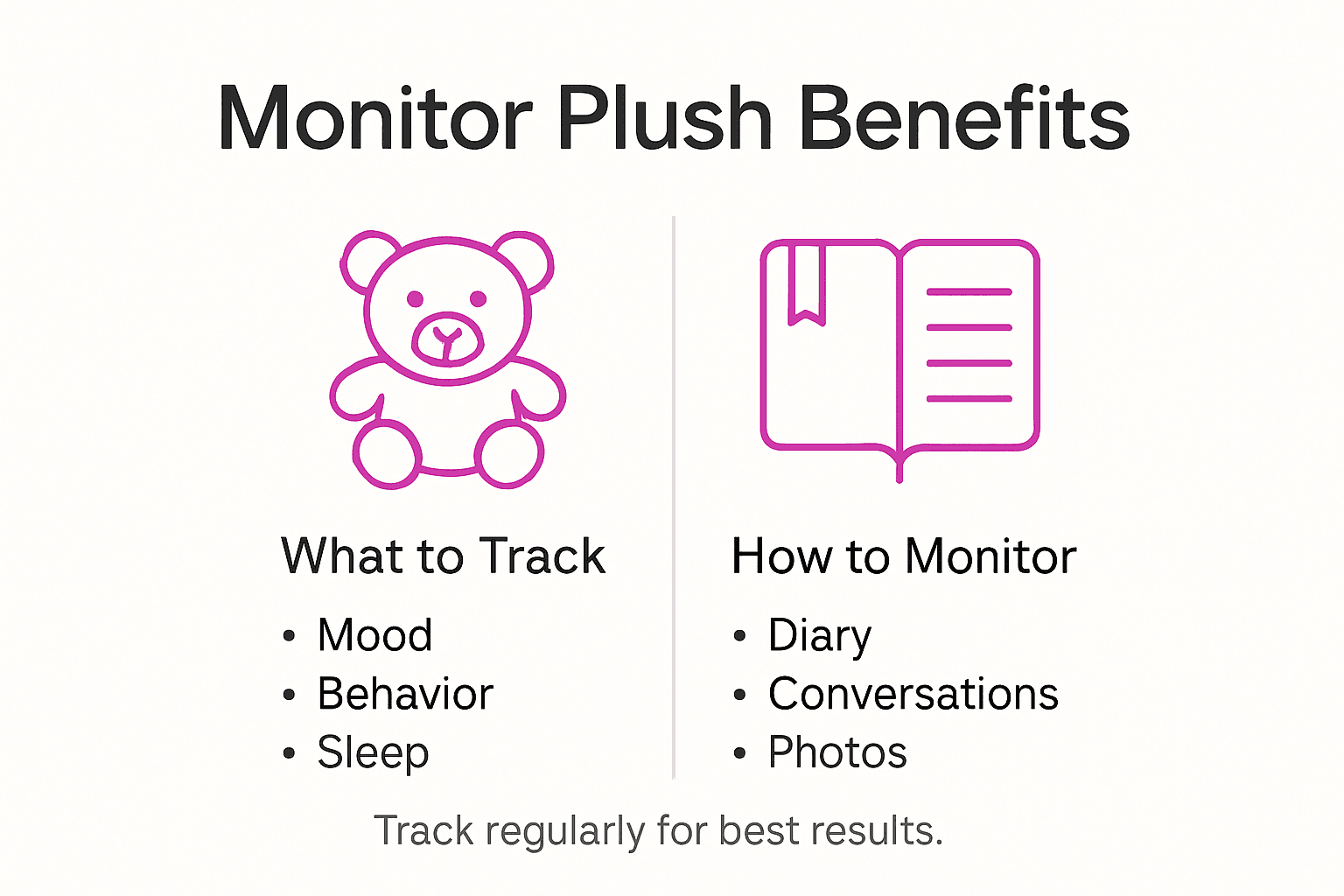
Regular communication with healthcare professionals remains essential. Share your observations and discuss any noticeable improvements or challenges. This collaborative approach ensures that your child’s emotional support strategy remains adaptive and responsive to their evolving needs. Be open to adjusting your approach based on professional guidance and your child’s direct feedback.
Expert Suggestion: Take photographs or short video notes of your child’s interactions to create a visual progress record that can be easily shared with healthcare professionals.
Step 5: Verify effectiveness for long-term wellbeing
Assessing the sustained impact of your child’s emotional support plush requires a comprehensive and nuanced approach. Long-term wellbeing is not about quick fixes but understanding how these supportive tools integrate into your child’s broader developmental journey.
Research indicates that interventions for neurodevelopmental conditions require a holistic approach addressing mental, physical, and social dimensions, so look beyond immediate emotional responses. Current evidence suggests weighted support tools may improve relaxation and reduce anxiety, but long-term benefits remain an evolving area of study. Conduct periodic comprehensive reviews involving healthcare professionals to assess changes in your child’s emotional regulation, sleep patterns, social interactions, and overall stress management.
Remain flexible and open to adjusting strategies. While weighted plushies can be valuable, they represent just one component of a broader emotional support ecosystem. Continue exploring complementary approaches such as therapy, lifestyle modifications, and tailored sensory interventions that support your child’s unique neurodevelopmental profile.
Expert Suggestion: Document your observations systematically to create a meaningful longitudinal record that can inform future therapeutic interventions.
Discover Comfort and Calm with MOMORO & FRIENDS for ADHD and Anxiety
Supporting a child with ADHD and anxiety means finding tools that provide gentle deep pressure stimulation, tactile engagement and a sense of control as highlighted in the Weighted Plush Benefits Guide. Families often seek plush companions that offer adjustable sensory input and interactive features to ease stress and improve emotional regulation. MOMORO & FRIENDS answers this need with innovative Japanese-inspired plush toys designed specifically for children managing these neurodevelopmental challenges.
MOMORO & FRIENDS offers a unique emotional support experience by blending soft textures, weighted elements and technology that unlocks monthly digital gifts for ongoing engagement and calm. With only 5,000 units per drop, each collectible is an exclusive companion that encourages personalised sensory exploration and comfort through thoughtful design. Experience the calming benefits and interactive support plushies that resonate with your child’s emotional journey.
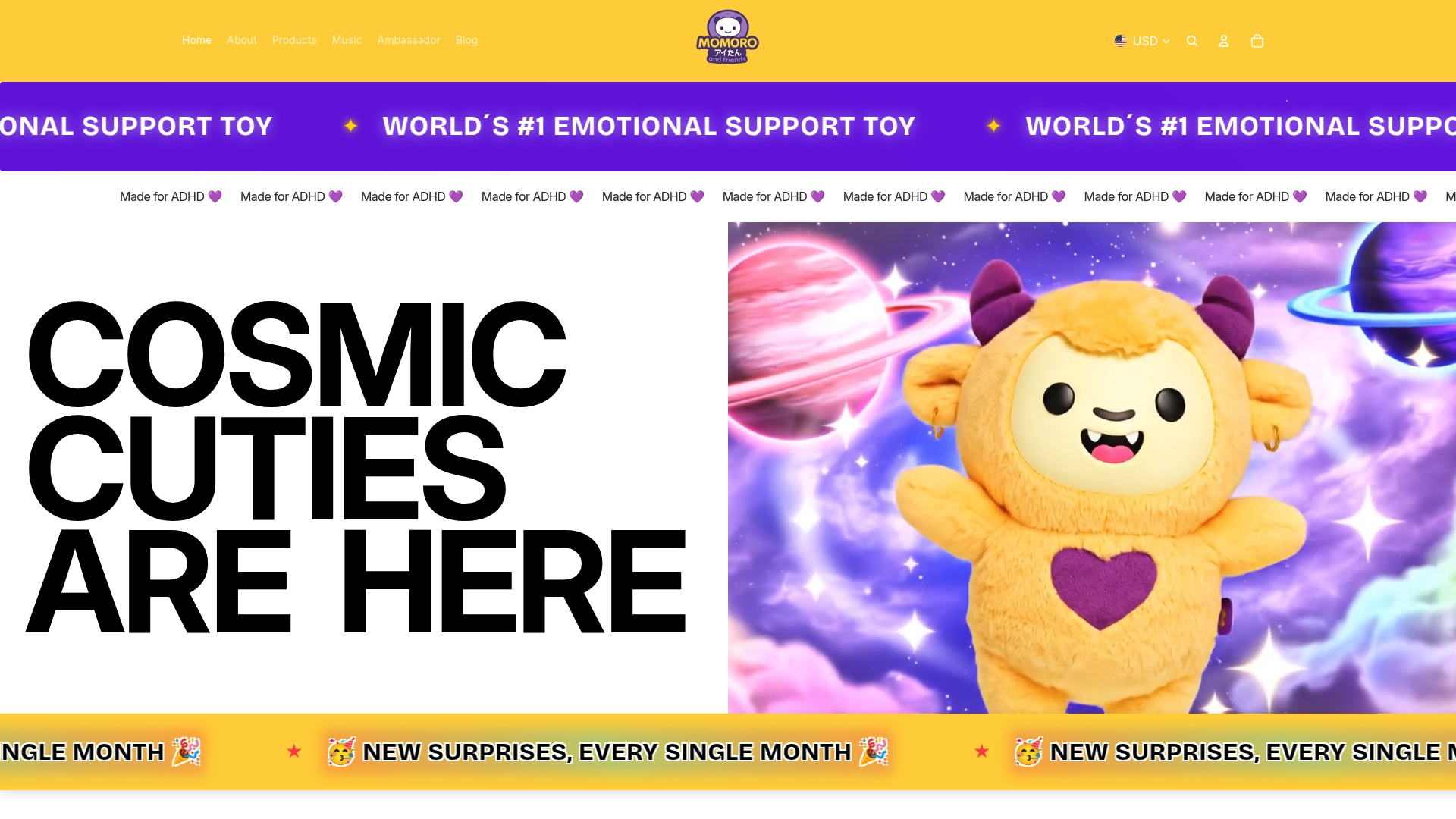
Explore the specially crafted plush collection today at https://momoro.store and give your child a trusted friend to help manage anxiety and ADHD. Act now to secure your limited edition MOMORO and transform emotional support with a blend of comfort, creativity and digital connection.
Frequently Asked Questions
How can I assess my child’s emotional support needs for ADHD and anxiety?
To assess your child’s emotional support needs, carefully observe their behaviour across various environments, noting changes in mood and social interactions. Track their emotional responses over a few weeks to identify specific triggers and challenges, which can help inform your approach.
What factors should I consider when choosing a weighted plush for my child?
When selecting a weighted plush, consider your child’s sensory preferences, ensuring the weight is about 10% of their body weight for optimal comfort. Look for plushies that are adjustable in weight and have soft textures to enhance the emotional support experience for your child.
How can interactive features in a weighted plush benefit my child?
Interactive features, such as textured patches and removable weights, can provide sensory stimulation and help redirect anxious energy in children with ADHD and anxiety. Introduce these features gradually, allowing your child to explore and engage at their own pace to maximise their comfort and enjoyment.
What methods can I use to monitor my child’s response to their weighted plush?
To monitor your child’s response, maintain a simple diary documenting interactions with the plush, noting changes in their anxiety levels and overall mood. Regularly review these observations to identify patterns and share them with healthcare professionals for ongoing support and recommendations.
How can I assess the long-term effectiveness of a weighted plush for my child’s wellbeing?
To verify the long-term effectiveness of a weighted plush, conduct periodic reviews of your child’s emotional regulation and social interactions over time. Record any improvements or challenges and remain flexible in your approach, integrating other support strategies as needed to ensure your child’s continued wellbeing.