

Over half of British parents say finding calm solutions for children with ADHD or anxiety is tougher than expected. Creating an inviting plush calm corner is emerging as a gentle way to support emotional well-being in busy homes. This guide gives clear, practical steps for choosing the best location and soothing sensory items, helping your child feel secure and understood during stressful moments.
Table of Contents
- Step 1: Choose The Ideal Calm Corner Location
- Step 2: Gather Calming Plush And Sensory Items
- Step 3: Arrange Furniture To Create A Cosy Retreat
- Step 4: Add Interactive Plush For Comfort And Calm
- Step 5: Review And Personalise The Space For Your Child
Quick Summary
| Key Insight | Explanation |
|---|---|
| 1. Choose a Quiet, Safe Space | Select a low-traffic area for your child’s calm corner to ensure privacy and emotional safety. |
| 2. Gather Appropriate Sensory Items | Include tactile toys like plush toys and stress balls that cater to your child’s sensory preferences. |
| 3. Arrange Furniture Thoughtfully | Use soft boundaries and comfortable seating to create an inviting and secure calm corner. |
| 4. Personalise the Space | Allow your child to help design the corner to reflect their unique style and emotional needs. |
| 5. Regularly Review and Adapt | Continuously assess and modify the calm corner to ensure it remains a relevant emotional support tool. |
Step 1: Choose the ideal calm corner location
Creating a gentle sanctuary for emotional regulation starts with selecting the perfect spot. Your calm corner needs to be a peaceful retreat where your child can decompress and process big feelings without additional sensory overload.
When hunting for the ideal location, think quiet and low-traffic. Look for spaces like a cosy nook under the stairs, a quiet corner of the living room, or a tranquil section of your child’s bedroom. The key is finding an area that feels safe and separated from household chaos. You want a space that’s easily accessible when emotions start bubbling up but tucked away enough to provide genuine privacy.
Consider your home’s layout and your child’s specific sensory needs. Some children prefer corners near windows with soft natural light, while others might appreciate more enclosed spaces that feel protective. The goal is creating an inviting environment that whispers ‘calm down’ the moment your child enters.
Expert Tip: Test different locations by watching how your child naturally gravitates towards quiet spaces during stressful moments.
Here’s a summary of calm corner location options and their suitability:
| Location Option | Noise Level | Privacy Level | Accessibility |
|---|---|---|---|
| Under the stairs nook | Very quiet | High privacy | Moderate, some steps |
| Living room corner | Low-moderate | Moderate | Easy, central access |
| Child’s bedroom area | Quiet | Very private | Direct, child owned |
| Near a window | Natural light | Moderate | Varies by room layout |
Step 2: Gather calming plush and sensory items
Building a successful calm corner requires carefully selecting sensory tools that promote emotional regulation and mindfulness. Your mission is to create a collection of comforting objects that will help your child navigate overwhelming emotions with confidence and ease.
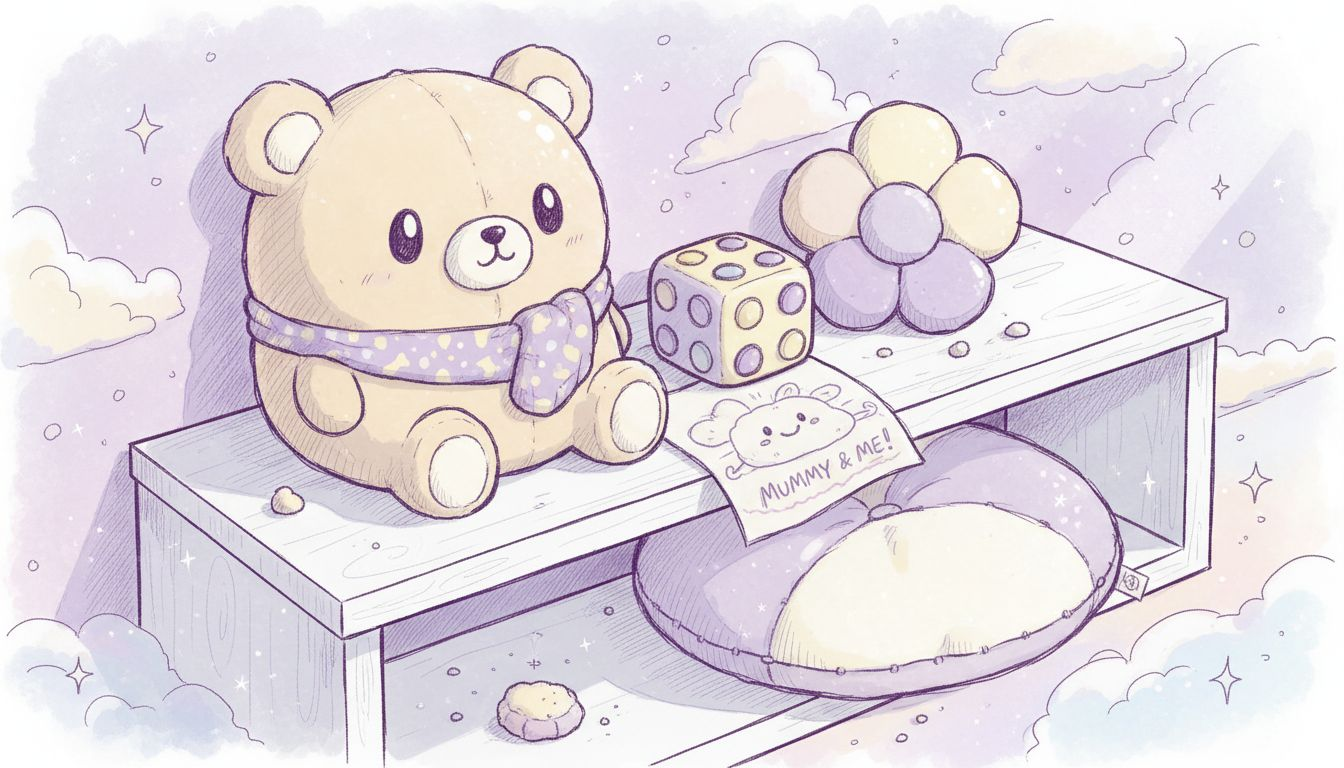
Start by gathering a variety of tactile and interactive items. Soft plush toys, stress balls, fidget tools, and sensory bottles can provide crucial emotional support during challenging moments. Think about your child’s specific sensory preferences some might love squishy putty, while others prefer smooth glitter bottles or soft stuffed animals. Include noise-cancelling headphones, mindful colouring sheets, and a few calming books to create a comprehensive emotional toolkit.
When selecting items, prioritise soft textures, quiet interaction options, and objects that encourage gentle self soothing. Consider including a weighted blanket, small puzzles, and textured fidget toys that can help redirect nervous energy and provide a sense of comfort.
Expert Tip: Rotate your sensory items periodically to maintain your child’s interest and prevent sensory fatigue.
This table compares popular sensory items for a calm corner:
| Sensory Item | Sensory Benefit | Ideal Age Range |
|---|---|---|
| Weighted blanket | Deep pressure comfort | 4 years and older |
| Fidget tool | Enhances focus | 3 years and older |
| Plush toy | Tactile reassurance | All ages |
| Noise-cancelling headphones | Reduces auditory overload | 4 years and older |
| Glitter bottle | Visual calming | 3 years and older |
Step 3: Arrange furniture to create a cosy retreat
Transforming your chosen space into a nurturing calm corner requires thoughtful furniture placement that balances privacy with safety. Your goal is to craft a welcoming sanctuary that feels both protective and accessible.
Begin by creating soft boundaries using bookshelves or low partitions that define the space without completely isolating it. Position beanbag chairs, cushions, and soft rugs to create a warm and inviting atmosphere that encourages relaxation. Consider your child’s sensory preferences some might appreciate a snug corner with multiple cushions, while others might prefer a more open arrangement with a single comfortable chair.
Ensure the space feels intentional and comfortable. Layer soft textures like plush rugs, throw blankets, and varied cushions to create depth and warmth. Position furniture to provide a sense of security while maintaining clear sightlines for parental supervision. The furniture should invite your child to settle in and feel instantly comforted.
Expert Tip: Test different furniture arrangements by sitting in the space yourself to ensure it feels genuinely soothing and inviting.
Step 4: Add interactive plush for comfort and calm
Selecting the right interactive plush toys is crucial for creating a comforting psychological sanctuary that supports emotional regulation. These soft companions become more than just toys they transform into emotional support tools that help children navigate challenging feelings.
Plush comfort items serve as powerful calm down tools that offer tactile reassurance and emotional grounding. Look for stuffed animals with different textures, weights, and softness levels. Some children might prefer a small compact plushie they can squeeze, while others might want a larger cuddly companion that provides full body comfort. Consider interactive features like gentle sounds, hidden pockets, or subtle texture variations that can provide additional sensory support.
When choosing your plush companions, think about your child’s specific sensory needs. Some might appreciate weighted plushies that provide deep pressure comfort, while others might connect with characters that feel familiar and safe. The goal is creating a collection of soft friends that feel like genuine emotional allies during moments of stress or overwhelm.
Expert Tip: Rotate plush toys periodically to maintain their novelty and emotional impact.
Step 5: Review and personalise the space for your child
Personalising the calm corner is crucial for creating a space your child will genuinely want to use. Think of this as crafting a mini sanctuary that reflects your child’s unique emotional landscape and provides genuine comfort.
Include visual aids like feeling charts, calm down sequence cards, and age appropriate resources that support emotional understanding. Invite your child into the design process letting them choose colours, select specific plush companions, or arrange decorative elements. This collaborative approach transforms the calm corner from a generic space into a deeply personal emotional retreat that feels authentically theirs.
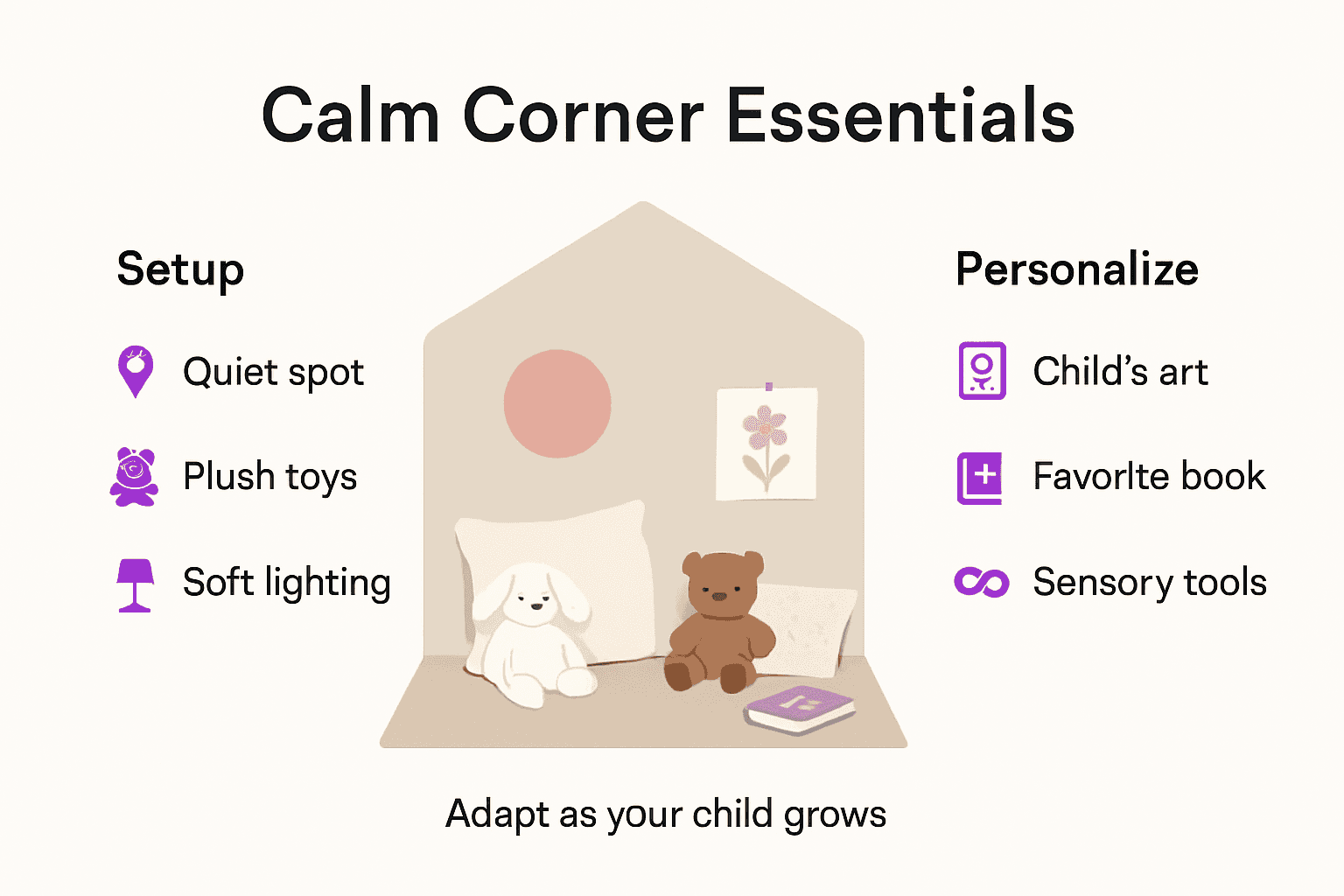
Regularly review and adapt the space as your child grows. What soothes a six year old might feel babyish to an eight year old. Pay attention to which items they genuinely interact with and which seem to be overlooked. The most effective calm corners evolve alongside the child offering consistent emotional support through changing developmental stages.
Expert Tip: Schedule quarterly reviews of your calm corner to ensure it remains engaging and meaningful for your child.
Create a Truly Soothing Calm Corner with MOMORO & FRIENDS
Setting up a calm corner requires finding the right peaceful location and gathering comforting plush and sensory items that offer genuine emotional support. The challenge many parents face is discovering plush companions that do more than just look soft and inviting—they need to actively help children with ADHD and anxiety regulate their feelings and stay calm in moments of overwhelm. The article emphasises selecting tactile reassurance and interactive plush toys that provide deep pressure comfort and emotional grounding.
MOMORO & FRIENDS are designed precisely for this need. These Japanese-inspired plush toys combine comforting textures with innovative NFC technology unlocking monthly digital gifts that boost mood and reduce stress. They serve as emotional allies within any calming corner, evolving alongside your child and making the space truly personal and engaging. Find exclusive limited-edition plush that harmonise with sensory tools and create a nurturing retreat your child will want to use every day.

Explore our collection at Shop Japanese-Inspired Plush Toys for ADHD & Anxiety – MOMORO & Friends to add unique companions to your calm corner today. For a full range of solutions blending comfort and technology visit https://momoro.store. Make your child’s emotional sanctuary more than just a quiet space—transform it into a comforting, interactive experience that empowers calm and creativity now.
Frequently Asked Questions
How do I choose the best location for my child’s calm corner?
Selecting a suitable location involves finding a quiet, low-traffic area in your home where your child can feel safe and relaxed. Look for spots like a nook under the stairs or a corner in their bedroom, aiming for a place that offers both accessibility and privacy.
What types of sensory items should I include in the calm corner?
Incorporate a variety of calming sensory items, such as plush toys, fidget tools, and stress balls, to help your child manage their emotions. Ensure the items cater to their sensory preferences—if your child enjoys squishy textures, consider adding items like soft putty or plush animals.
How can I effectively arrange furniture in the calm corner?
Arrange furniture to create a comfortable and inviting retreat by using soft boundaries like bookshelves and positioning cushions and rugs to promote relaxation. Sit in the space yourself to ascertain its comfort and adjust the layout until it feels welcoming and secure for your child.
Why is it important to personalise the calm corner for my child?
Personalising the calm corner ensures that it becomes a space your child will genuinely want to use and feel connected to. Include items that reflect their preferences and involve them in the design process to create a space that truly resonates with them.
How often should I review the calm corner and its contents?
Regularly review and adapt the calm corner to ensure it remains engaging for your child, ideally every few months. This keeps the space relevant and supportive, considering any developmental changes or shifts in their emotional needs.
What interactive plush toys work best for a calming effect?
Choose interactive plush toys that provide tactile reassurance and emotional grounding, such as stuffed animals with varied textures and weights. Aim for a mix of smaller, squeezable plushies for stress relief and larger ones that offer full-body comfort to meet your child’s specific needs.