

Finding the right support for british children with ADHD or anxiety can feel like an ongoing puzzle. For many families, sensory overload or emotional distress is an everyday challenge that disrupts peace at home. In fact, more than 1 in 10 british children are now diagnosed with a neurodevelopmental condition. If you are searching for practical ways to help your child feel calm and secure, exploring the latest sensory toys and play strategies can make a noticeable difference.
Table of Contents
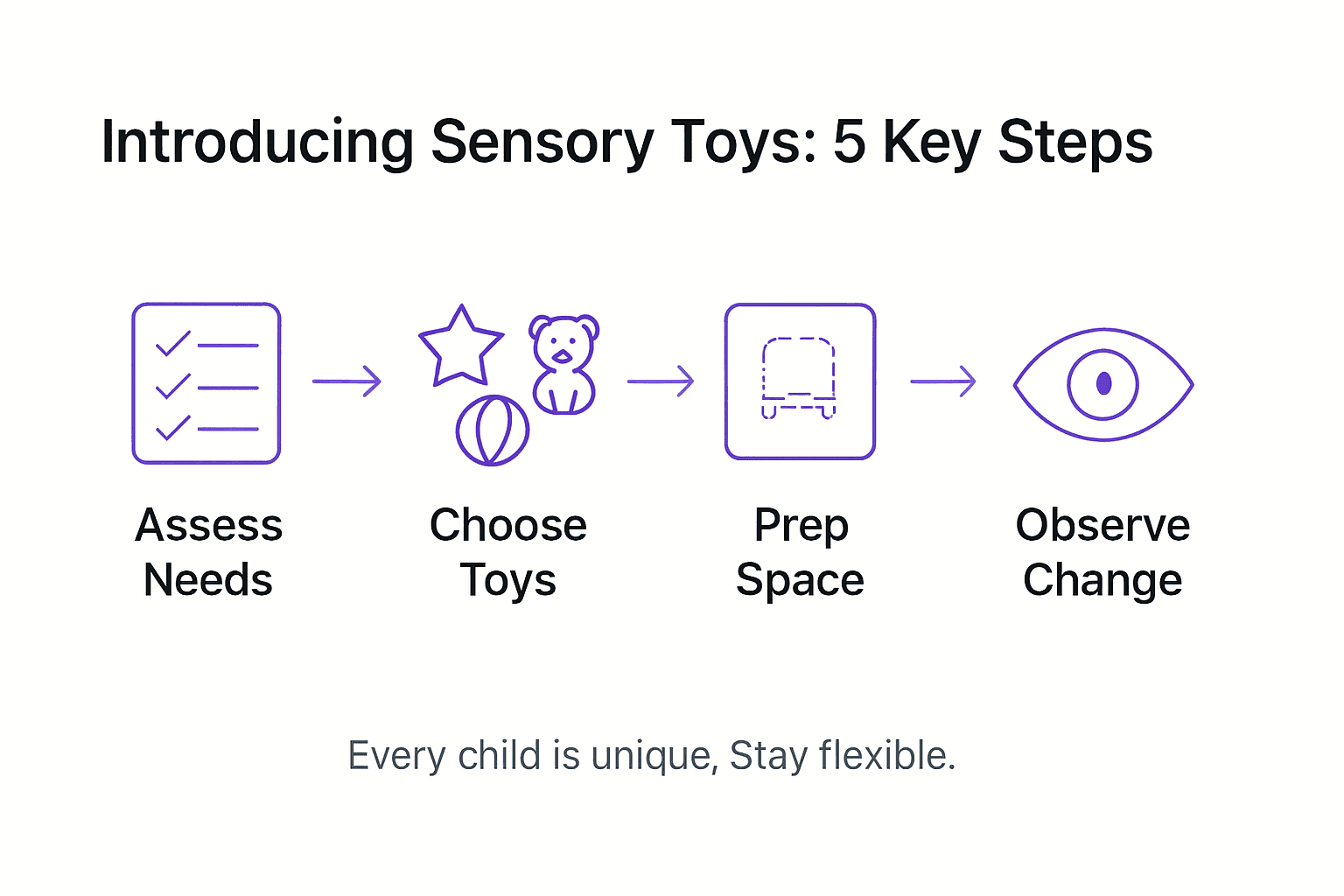
- Step 1: Assess Your Child’s Unique Sensory Needs
- Step 2: Select Appropriate Sensory Toys For Comfort
- Step 3: Create A Welcoming And Calm Play Environment
- Step 4: Introduce Sensory Toys With Gentle Encouragement
- Step 5: Monitor Your Child’s Reaction And Adapt Accordingly
Quick Summary
| Key Insight | Explanation |
|---|---|
| 1. Understand your child’s sensory needs | Observe and document reactions to different stimuli to identify unique preferences. |
| 2. Choose sensory toys thoughtfully | Select toys that offer comfort and meet specific sensory needs without overwhelming. |
| 3. Create a calming play environment | Design sensory-friendly spaces with soft lighting and minimal clutter to enhance comfort. |
| 4. Introduce toys gently and patiently | Allow children to explore sensory toys at their own pace, providing encouragement without pressure. |
| 5. Monitor and adapt based on reactions | Track interactions with toys, adjusting selections based on your child’s cues and preferences. |
Step 1: Assess your child’s unique sensory needs
Understanding your child’s specific sensory profile is crucial for selecting the right sensory toys. Every child experiences sensory input differently, so what works for one might overwhelm another. When assessing sensory needs, observe how your child responds to different textures, sounds, movements, and visual stimuli.
Start by creating a sensory observation journal. Watch your child’s reactions during daily activities track patterns in their sensory preferences. Do they seek out deep pressure? Avoid loud noises? Constantly move or fidget? These observations will help you identify sensory processing patterns in their behaviour. Some children might crave tactile stimulation through soft textures, while others might need weighted items that provide calming pressure.
Consider working with an occupational therapist who specialises in sensory processing if you need professional guidance. They can provide detailed assessments and recommend specific strategies tailored to your child’s unique sensory profile.
Pro tip: Create a sensory preference chart at home that tracks your child’s reactions to different stimuli, helping you make more informed choices about sensory toys and support strategies.
Step 2: Select appropriate sensory toys for comfort
Selecting the right sensory toys requires a thoughtful approach that matches your child’s unique sensory profile. The goal is to find items that provide comfort and regulation without overwhelming their sensory system. Personalised sensory toolkits can be incredibly effective in supporting children’s emotional wellbeing.
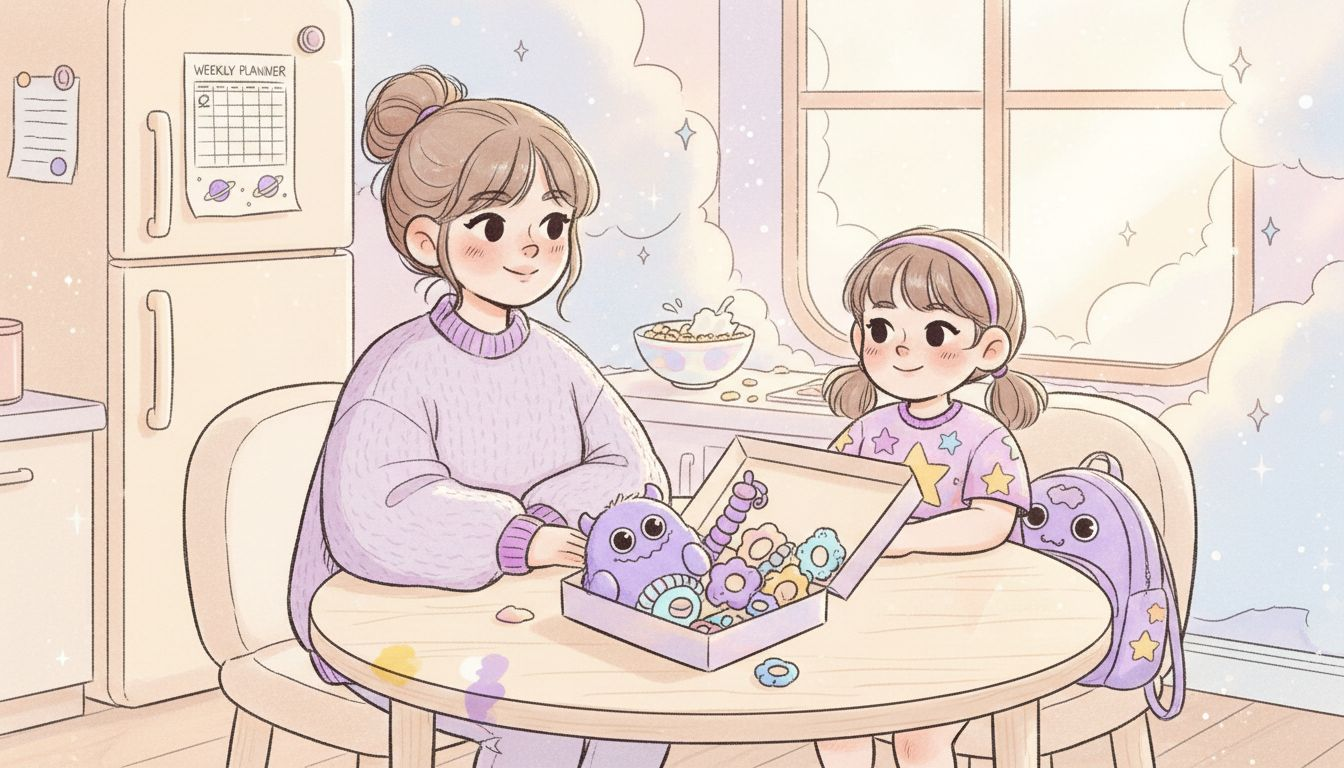
Consider creating a diverse sensory toy collection that addresses multiple sensory needs. Soft textured plushies, weighted blankets, fidget tools, and textured squeeze balls can offer different types of sensory input. Look for toys with varying textures – some smooth, some bumpy, some soft – which can help children explore and manage their sensory preferences. Tactile exploration tools like putty, stress balls, and sensory bags can provide calming proprioceptive input that helps reduce anxiety.
Remember that sensory toys are not one size fits all. Pay attention to your child’s reactions and be prepared to adjust your selections. Some children might love deep pressure items like weighted vests, while others might prefer lighter touch sensory experiences.
Here is a quick guide to different types of sensory toys and their benefits:
| Toy Type | Sensory Input Provided | Typical Benefit |
|---|---|---|
| Weighted Blanket | Deep pressure | Calms and grounds children |
| Fidget Spinner | Tactile, visual | Aids focus, reduces anxiety |
| Squeeze Ball | Proprioceptive, tactile | Relieves tension, soothes |
| Sensory Putty | Tactile, resistance | Builds hand strength, calms |
| Soft Plush Toy | Gentle tactile | Comforts, soothes nerves |
Pro tip: Rotate your sensory toys periodically to maintain novelty and prevent sensory adaptation, keeping the experience engaging and stimulating for your child.
Step 3: Create a welcoming and calm play environment
Designing a sensory-friendly play space requires thoughtful consideration of your child’s specific needs and comfort. Adaptive environments can significantly improve a child’s ability to self regulate and feel secure. Start by identifying areas in your home that can be transformed into calming sensory zones.
Consider creating multiple sensory spaces with different qualities. Use soft lighting, incorporate noise reducing elements like soft rugs or curtains, and provide flexible seating options such as bean bags or cushioned corners. Choose a colour palette with muted, soothing tones that won’t overstimulate your child. Designate specific areas for different activities – a quiet reading nook, a soft play corner with sensory toys, and a space for movement and active play. Ensure these areas have minimal visual clutter and provide clear boundaries to help your child feel safe and oriented.
Remember that sensory environments are not static. Be prepared to adjust and evolve the space based on your child’s changing needs and preferences. Some days they might need more calming input, while other times they might seek more active sensory experiences.
Below is a summary of key factors to consider when designing a sensory-friendly play space:
| Factor | Description | Tips for Success |
|---|---|---|
| Lighting | Soft, adjustable brightness | Use lamps or dimmer switches |
| Noise Management | Minimises disruptive sounds | Rugs, curtains, soft furnishings |
| Colour Palette | Muted, calming tones | Avoid bright or clashing colours |
| Furniture Flexibility | Movable seating and clear boundaries | Bean bags, repositionable corners |
Pro tip: Use removable wall decals and repositionable furniture to make your sensory spaces flexible and easy to modify as your child grows.
Step 4: Introduce sensory toys with gentle encouragement
Understanding your child’s unique sensory preferences is key to successful toy introduction. The goal is to create a positive and non threatening experience that allows your child to explore sensory toys at their own pace and comfort level.
Start by presenting sensory toys casually and without pressure. Let your child approach and interact with the toys naturally rather than forcing engagement. Observe their initial reactions and body language closely. Some children might need time to warm up to a new sensory experience. If they seem hesitant, try introducing the toy during a calm moment when they are relaxed and receptive. Use soft encouraging language and demonstrate how to play with the toy yourself to reduce any anxiety about the new object.
Be patient and flexible in your approach. Each child will respond differently to sensory stimulation. Some might instantly connect with a particular texture or sound, while others might need multiple gentle introductions before feeling comfortable. Validate their feelings and never push them beyond their current sensory tolerance levels.
Pro tip: Create a ‘sensory exploration basket’ where toys are always accessible but never mandatory ensuring your child feels in control of their sensory experiences.
Step 5: Monitor your child’s reaction and adapt accordingly
Tracking your child’s sensory toy interactions requires careful observation and flexibility. Watch for subtle cues that indicate whether a particular toy is helping or potentially causing stress. Positive reactions might include relaxed body language, increased engagement, or a calm demeanour while playing.
Keep a simple tracking journal to document your observations. Note specific responses like changes in mood, comfort levels, and interaction duration with different sensory toys. Pay attention to physical signs such as muscle tension, facial expressions, and overall energy levels. Some children might enjoy a toy initially but become overstimulated after a few minutes. Others might need repeated gentle introductions before feeling comfortable.
Remember that sensory preferences are not static. What works today might not work next week. Be prepared to rotate toys, adjust play environments, and continuously learn from your child’s unique responses. Trust your instincts and maintain open communication with your child about their comfort and preferences.
Pro tip: Create a simple mood and sensory response chart using smiley faces or colour codes to make tracking your child’s experiences more intuitive and less clinical.
Discover Comfort and Calm with MOMORO & FRIENDS Sensory Plush Toys
If you are looking to gently introduce effective sensory toys that support children with ADHD and anxiety, understanding your child’s unique sensory needs is key. The article emphasises selecting sensory items that provide comfort without overwhelming the senses. At MOMORO, we share this commitment through our Japanese-Inspired Plush Toys for ADHD & Anxiety that are designed to soothe and engage with tactile softness and calming presence. Each interactive collectible unlocks digital gifts that promote relaxation and mood enhancement, blending tactile stimulation with innovation.

Explore how our limited edition MOMORO & FRIENDS plush toys can become part of your child’s sensory toolkit and create a welcoming, calming play environment at home. Act now to support your child’s emotional wellbeing with a unique approach that combines comfort, creativity, and technology. Visit MOMORO today and begin this calming journey for a happier child.
Frequently Asked Questions
How can I assess my child’s unique sensory needs before introducing sensory toys?
Begin by observing your child’s responses to various textures, sounds, and movements during daily activities. Create a sensory observation journal to track their reactions, identifying patterns in their sensory preferences over a few weeks.
What types of sensory toys should I include in my child’s collection for calming effects?
Select a diverse range of sensory toys that provide different types of input, such as weighted blankets, fidget tools, and textured plushies. Aim to have at least 4-5 different types of toys to cater to their sensory needs.
How do I create a sensory-friendly play environment at home?
Designate specific areas in your home for sensory play, ensuring they have soft lighting, minimal noise, and a calming colour palette. Include flexible furniture options, like bean bags, to allow for comfort and easy movement within these spaces.
What is the best way to introduce new sensory toys to my child?
Introduce sensory toys casually and without pressure, allowing your child to explore at their own pace. Use gentle encouragement and demonstrate how to interact with each toy to help reduce any initial anxiety about new experiences.
How can I monitor my child’s reactions to sensory toys effectively?
Keep a simple journal to document your child’s interactions with their sensory toys, noting their mood and comfort levels. Regularly check for signs of relaxation or overstimulation, making adjustments based on their responses throughout the weeks.