

Every parent faces that moment when their child’s emotions seem to spiral with no clear warning. For families in the United Kingdom supporting children with ADHD, understanding the roots of emotional dysregulation is truly life-changing. Experts from the University of Southampton emphasise that early identification of emotional triggers makes all the difference, allowing parents to move from reacting in the heat of the moment to proactively preventing meltdowns. This practical guidance explores how tailored environments and interactive comfort tools, such as MOMORO, can bring real calm and confidence to your daily routine.
Table of Contents
- Step 1: Identify Emotional Triggers Early
- Step 2: Prepare A Supportive Calming Environment
- Step 3: Introduce Interactive Comfort Tools
- Step 4: Guide Your Child Through Grounding Techniques
- Step 5: Monitor Progress And Adapt Strategies
Quick Summary
| Key Message | Explanation |
|---|---|
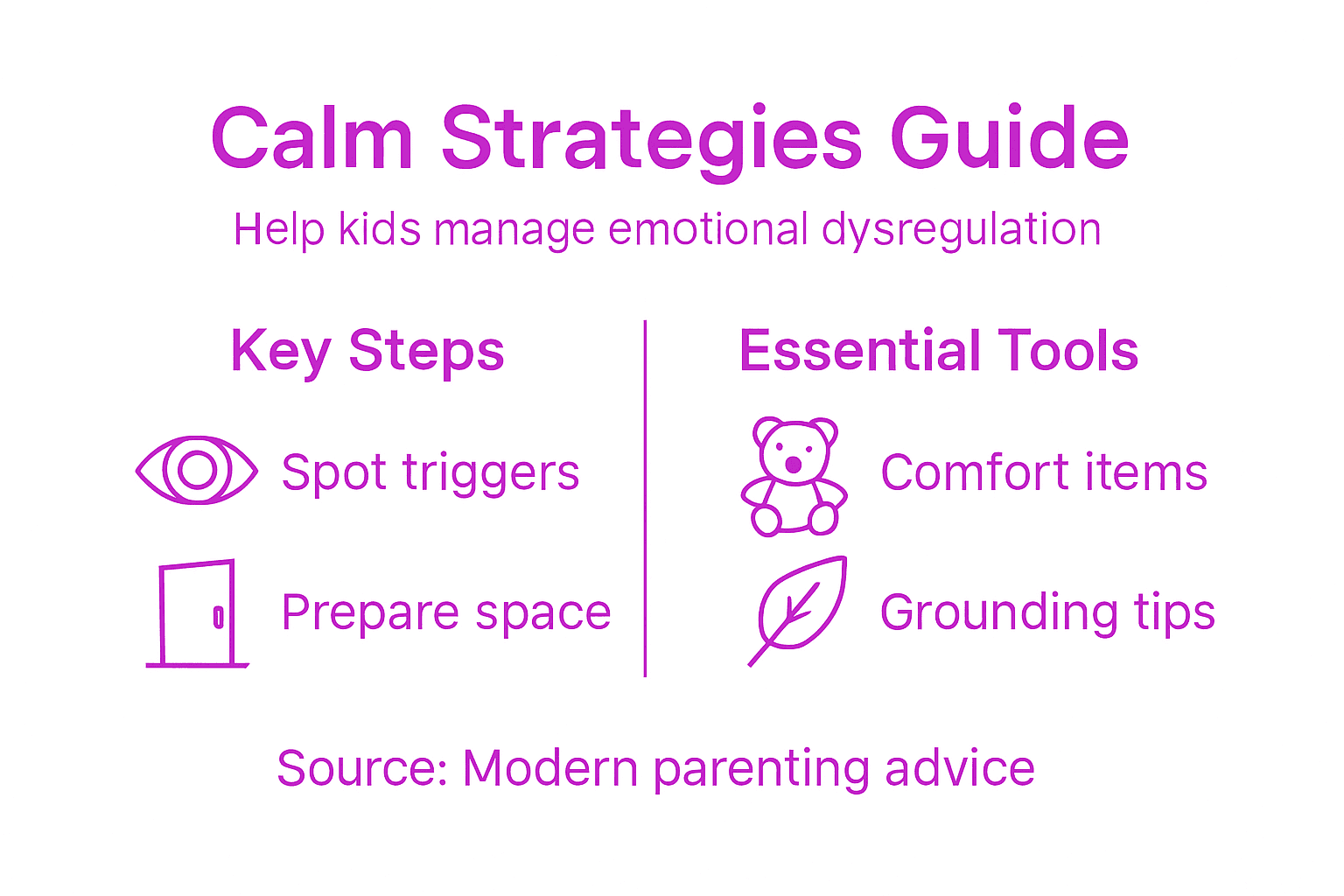
| 1. Identify emotional triggers early | Recognising your child’s emotional triggers helps manage dysregulation before it escalates. Track their reactions to identify patterns. |
| 2. Create a calming environment | Modify your home to reduce sensory overload and provide safe spaces, helping your child manage emotions effectively. |
| 3. Use interactive comfort tools | Equip your child with fidget items or sensory toys to help them self-soothe during moments of dysregulation. |
| 4. Teach grounding techniques | Practise grounding methods like deep breathing when your child is calm to help them regain control during emotional episodes. |
| 5. Monitor progress and adapt strategies | Keep observations about your child’s responses to strategies and be willing to change your approach as needed for effective management. |
Step 1: Identify emotional triggers early
This is where everything changes. Spotting what sets off your child’s emotional dysregulation before it spirals is genuinely the foundation for managing it effectively. When you can recognise the early warning signs and understand what’s actually triggering the reaction, you stop being reactive and start being intentional. That shift matters.
Start by noticing patterns over the next week or two. When does your child get overwhelmed? Is it when the house is too loud? After a long day at school? When plans change suddenly? When they’re hungry or tired? Understanding emotion dysregulation patterns helps you see what’s really happening beneath the surface behaviour. Keep a simple notebook or use your phone to jot down what happened just before the meltdown struck. Not every single moment, just the patterns you start noticing. You’re looking for the common threads: sensory overload, transitions, hunger, overstimulation, unmet expectations, or social situations.
Here’s the key bit—emotional triggers aren’t always obvious. Your child might have a meltdown about their socks, but the real trigger could be that they’ve been managing sensory input all day and their nervous system is completely maxed out. The socks are just the final straw. This is why early identification of emotional triggers is so powerful. When you understand the root cause, you can actually prevent escalation instead of just managing the fallout. Talk to your child too, if they can articulate it. Ask what they were feeling right before things got difficult. Sometimes they’ll surprise you with their insight.
Pro tip: Create a simple trigger tracker on your phone or notebook with just three columns—what happened, what your child was doing, and how they reacted—so you can spot patterns within days rather than weeks.
Step 2: Prepare a supportive calming environment
Now that you’ve identified what triggers your child’s dysregulation, you can actually shape your physical space to help prevent those meltdowns from happening in the first place. A calming environment isn’t about making everything perfect or expensive. It’s about being intentional with what’s around them so their nervous system doesn’t have to work overtime just to feel safe.
Start with sensory input. Loud noises, bright lights, cluttered spaces, and too many visual stimuli all push your child’s nervous system into overdrive. Think about the times and places where they struggle most. Is it the kitchen during dinner prep when the kettle’s on and everyone’s talking? The school pickup line with all that chaos? Your living room when siblings are playing? Lowering sensory overload through environmental modifications like dimming lights, reducing background noise, and creating clear zones where they can retreat makes a real difference. You don’t need to redesign your entire home. Even small changes help. A corner with a blanket and a few comfort items, softer lighting in their bedroom, or keeping the living room less cluttered gives them breathing room. If they have a safe space they can access when they feel overwhelmed, they’re far more likely to self-regulate before things escalate.

Consistency matters too. Creating predictable schedules and offering safe spaces helps children feel secure enough to manage their emotions more effectively. When your child knows what to expect and where they can go when they need a break, their anxiety drops significantly. You might also consider introducing sensory tools like weighted blankets or calming toys that help them feel grounded when things feel chaotic. The goal is making your home feel like a place where their nervous system can actually rest.
Here’s a summary of common emotional triggers and suggested preventative environmental changes:
| Emotional Trigger | Typical Situation | Environment Adjustment |
|---|---|---|
| Sensory overload | Loud or crowded spaces | Soft lighting, reduce noise |
| Hunger or fatigue | Before meals, end of day | Structured snack times, rest areas |
| Unexpected changes | Transition between activities | Visual timetables, warning in advance |
| Social pressures | Group play or busy settings | Quiet retreat space, individual tasks |
| Unmet expectations | Plans changing or denied requests | Consistent routines, clear boundaries |
Pro tip: Create one designated calm corner with soft lighting, a comfortable cushion or blanket, and a single sensory item your child finds soothing, so they have an immediate refuge when dysregulation feels close.
Step 3: Introduce interactive comfort tools
This is where things get genuinely useful. Interactive comfort tools give your child something concrete to focus on when emotions start building up. Rather than just telling them to calm down (which, let’s be honest, rarely works), you’re giving them a tool they can actually use to self-soothe in real time.
Start simple. Interactive tools like fidget items and sensory feedback devices work because they give your child’s hands and mind something to do whilst their nervous system settles. When your child is starting to dysregulate, their body needs an outlet. A weighted toy they can hold and manipulate, a fidget spinner, textured items to touch, even a soft plush they can squeeze all provide that sensory grounding. The key is having these tools readily available before the meltdown hits. Keep a few in their bedroom, one in the living room, maybe another in your bag for when you’re out. Your child learns over time that when they feel overwhelmed, they can reach for their comfort tool instead of spiralling into a full meltdown. You might also find that interactive plush toys designed for emotional support work brilliantly because they combine tactile comfort with engaging features that help redirect attention during dysregulation.
The magic happens when you introduce these tools intentionally and calmly. Show your child what the tool is and how it works when they’re in a regulated state, not in the middle of a crisis. Let them experiment with it, play with it, get comfortable with it. Then when dysregulation starts to creep in, they already know it’s there waiting for them. Research shows that interactive tools encourage active participation in emotion regulation, which means your child isn’t just passively waiting for a meltdown to pass. They’re actively doing something to manage it.
Pro tip: Rotate your child’s comfort tools every few weeks so they stay interesting and engaging, preventing the novelty from wearing off whilst keeping the soothing effect strong.
Step 4: Guide your child through grounding techniques
Grounding techniques are genuinely game-changing once you understand how they work. They’re basically ways to anchor your child back to the present moment when their emotions are spiralling out of control. When dysregulation hits, their brain gets stuck in that emotional loop. Grounding pulls them out by redirecting their attention to what’s actually happening right now, in their body, in the room around them.
Start teaching these when your child is calm and regulated. You want them to practise the techniques when there’s no pressure, so they’re familiar with them before they need them in a crisis. Simple grounding approaches like deep breathing and sensory awareness exercises work brilliantly because they’re something your child can do anywhere, anytime. The 5 senses technique is a solid one to start with. Ask them to name five things they can see, four things they can touch, three things they can hear, two things they can smell, and one thing they can taste. It sounds simple, but it’s incredibly powerful because it forces their brain to focus on their immediate surroundings instead of the emotional storm inside. You could also try box breathing, where they breathe in for four counts, hold for four, breathe out for four, and hold again for four. Or ask them to feel their feet on the ground, press their hands together, or notice the texture of something they’re holding. The key is finding what clicks for your child.
The real magic happens when you model these techniques yourself. Your child learns regulation by watching you stay calm and grounded when things get stressful. Research shows that practising grounding strategies together helps children regain control during emotional episodes and gradually builds their independence in self-regulation. When they see you taking deep breaths, they’ll start copying. When you stay present and calm, they feel safer learning to do the same. This isn’t about being perfect. It’s about showing them that you know how to manage big feelings too.
Here is a quick comparison of grounding techniques to help choose the most suitable for your child:
| Technique | Main Focus | Age Suitability | Portable for Travel |
|---|---|---|---|
| Deep breathing | Breath control | All ages | Yes |
| 5 senses method | Sensory awareness | 5 years and older | Yes |
| Box breathing | Structured breathing | 7 years and older | Yes |
| Tactile objects | Touch and texture | All ages | Yes |
Pro tip: Create a simple one-page grounding guide with pictures or illustrations your child can actually follow when they’re dysregulated, so they don’t have to rely on remembering instructions in the moment.
Step 5: Monitor progress and adapt strategies
Here’s what nobody tells you about managing emotional dysregulation. What works brilliantly one month might need tweaking the next. Your child grows, their triggers evolve, and their coping skills develop. That’s why monitoring what’s actually happening and being willing to adjust your approach is just as important as having strategies in the first place.
Start by keeping track of what you’re noticing. You don’t need fancy systems or apps. Just jot down simple observations. How often is your child having meltdowns? How long do they last? What percentage of time is your child managing their emotions without major escalations? Are certain strategies working better than others? When you started with those grounding techniques, did your child actually use them, or did they get forgotten when dysregulation hit? Monitoring interventions through observation and data collection helps you understand what’s genuinely effective versus what just looks good on paper. After two to three weeks, step back and honestly assess. Are the calm corner strategies helping? Is the interactive comfort tool actually getting used? Did teaching the 5 senses technique make a real difference? Your observations are the evidence that tells you what’s working.
Once you’ve monitored progress, be willing to adapt. Maybe the weighted plush your child loved initially has lost its appeal, so you try a different sensory tool. Perhaps grounding techniques work, but your child needs a visual reminder instead of trying to remember instructions. Maybe you realised the real trigger is transitions, not noise, so you shift your focus there. Flexibility in strategy implementation based on ongoing assessment improves long-term outcomes significantly. This isn’t failure. It’s actually evidence-based parenting. You’re not stuck with whatever approach you started with. You’re allowed to evolve your strategy as you learn more about what your child genuinely needs. Talk to their school too. Get feedback from teachers or support staff about how your child manages dysregulation in different environments. That information is gold because it tells you whether strategies are working across settings or whether you need different approaches for home versus school.
Pro tip: Keep a simple monthly reflection note where you record three things that worked well with dysregulation, two things that didn’t, and one thing you want to try next month, so you’re constantly fine-tuning rather than staying stuck.
Discover Calm Solutions for Emotional Dysregulation with MOMORO & FRIENDS
Managing emotional dysregulation can be challenging when triggers feel overwhelming and traditional calming techniques do not always engage your child. This article highlights key struggles such as spotting emotional triggers early and providing interactive comfort tools that help children self-soothe in moments of distress. MOMORO & FRIENDS offers an innovative approach designed specifically to address these challenges by combining tactile comfort and engaging technology in each collectible plush.

Explore how our NFC-enabled plush toys provide a supportive calming environment and promote grounding through monthly digital gifts tailored for children with ADHD and anxiety. MOMORO blends comfort, creativity, and technology with heart creating an empowering tool your child can use daily to build emotional regulation skills. Start transforming difficult moments into peaceful ones today by visiting MOMORO store. Learn more about how interactive comfort tools can ease anxiety and stress at MOMORO & FRIENDS collectibles and join thousands of families embracing calm strategies with our limited edition releases.
Frequently Asked Questions
How can I identify emotional triggers in my child?
To identify emotional triggers, observe your child’s behaviour over a week or two. Take notes on the situations and feelings that precede any meltdowns, focusing on patterns like sensory overload or hunger.
What are some strategies to create a calming environment at home?
To create a calming environment, reduce sensory overload by managing noise levels and maintaining a clutter-free space. Designate a quiet area with soft lighting and comforting items where your child can retreat when feeling overwhelmed.
How do interactive comfort tools help my child manage emotions?
Interactive comfort tools provide a physical outlet for your child to focus on during moments of emotional dysregulation. Keep items like fidget toys or weighted plushes accessible, allowing your child to engage with them when they begin to feel overwhelmed.
What grounding techniques can I teach my child?
You can teach grounding techniques such as deep breathing or the 5 senses method, which helps refocus attention during emotional upheaval. Practise these techniques with your child when they are calm, so they feel confident using them in moments of distress.
How can I monitor my child’s progress with emotional strategies?
To monitor your child’s progress, keep simple notes on their behaviour and the effectiveness of the strategies used. Evaluate their emotional regulation over a few weeks and adapt as necessary based on what works best for them.
What should I do if a strategy stops working for my child?
If a strategy stops working, be willing to adapt and try new approaches. Explore different techniques or tools as needed, and communicate with your child to find what feels effective for them in managing their emotions.
Recommended
- 7 Essentials on an Emotional Support Toy Checklist – MOMORO & Friends
- Step by Step Emotional Support Guide for ADHD and Anxiety – MOMORO & Friends
- Técnicas para Calmar la Mente en TDAH de Forma Paso a – MOMORO & Friends
- How to Introduce Sensory Toys for Calmer, Happier Kids – MOMORO & Friends
- Sleep Regression Explained: Causes, Signs, and Solutions