

Finding a truly calming companion can feel like searching for a needle in a haystack, especially when so many emotional support toys miss the mark for sensory needs. For british families and individuals, the right texture or interactive feature can make all the difference in managing anxiety, ADHD, and daily stresses. Studies reveal that proper materials and thoughtful designs can improve emotional regulation by up to 50 percent. This guide highlights what to look for when choosing a support toy that brings both comfort and confidence into everyday life.
Table of Contents
- 1. Choose Calming Materials for Sensory Needs
- 2. Look for Portable and Discreet Designs
- 3. Check for Interactive Features like NFC Gifts
- 4. Prioritise Safe, Non-Toxic Certifications
- 5. Select Toys Tailored for ADHD and Anxiety
- 6. Consider Limited Edition Collectibility
- 7. Review Care and Durability Requirements
Quick Summary
| Takeaway | Explanation |
|---|---|
| 1. Choose Calming Materials | Select ultra-soft fabrics like organic cotton or bamboo for emotional support toys to ensure soothing tactile experiences. |
| 2. Opt for Portable Designs | Look for small, lightweight toys that fit discreetly into daily routines, providing comfort without drawing attention. |
| 3. Interactive Features Matter | Select toys with interactive elements like NFC technology to enhance engagement and adapt to your emotional needs. |
| 4. Prioritise Safety Certifications | Ensure toys have non-toxic certifications and are made from safe materials to avoid health risks and sensitivities. |
| 5. Check Durability Requirements | Choose well-constructed toys with reinforced stitching and washable materials to maintain comfort through frequent use. |
1. Choose Calming Materials for Sensory Needs
When selecting an emotional support toy, the material matters far more than you might think. Sensory input plays a critical role in creating a truly comforting experience, especially for individuals managing anxiety or ADHD.
The right texture can transform a simple plush from a mere object to a powerful tool for emotional regulation. Multisensory plush designs understand this principle deeply, focusing on materials that provide gentle, consistent sensory feedback.
Scientific research highlights the importance of selecting fabrics that offer soothing tactile experiences. According to the Early Years Sensory Awareness Toolkit, materials that provide deep pressure touch and soft textures can significantly support sensory regulation.
Look for toys crafted from ultra-soft materials like:
- Minky microfibre
- Organic cotton
- Bamboo fabric
- Fleece
- Velboa
Each of these materials offers unique sensory properties. Minky microfibre provides a plush, velvet like sensation that many find incredibly calming. Organic cotton offers breathability and a gentle touch, while bamboo fabric brings natural softness and temperature regulation.
Consider the fabric’s weight and thickness too. Heavier materials can provide a comforting ‘weighted’ sensation that mimics deep pressure therapy, which many individuals find grounding and anxiety reducing.
Texture Pro tip: Always test the material against your skin first. What feels soothing to one person might feel irritating to another. Personal sensory preferences are unique, so trust your tactile instincts when selecting an emotional support toy.
2. Look for Portable and Discreet Designs
Emotional support toys are not just for home they need to travel with you seamlessly through different environments. A truly effective comfort companion must blend into your daily routine without attracting unwanted attention.
Sensory bags designed by occupational therapists demonstrate how compact support tools can be both functional and inconspicuous. These carefully curated collections prove that emotional regulation can happen quietly and discreetly.
Key Characteristics of Portable Support Toys:
- Small enough to fit in a pocket or small bag
- Lightweight and unobtrusive
- Silent interaction mechanisms
- Neutral colours and minimalist designs
The goal is finding a companion that provides comfort without making you feel self conscious. Compact fidget toys from specialist providers showcase how modern design can meet sensory support needs elegantly.
Consider miniature plushies, keychain sized stress relievers, or slim fidget tools that can be held inconspicuously during meetings, classes, or public transport. Materials like smooth silicone or soft microfibre can offer tactile comfort without drawing visual attention.
Some designs even masquerade as everyday accessories jewellery, keychains, or small ornaments that serve a dual sensory regulation purpose.
Discretion Pro tip: Choose items with neutral colour palettes and understated designs. The best emotional support tools are the ones that feel like a natural extension of your personal style rather than a noticeable intervention.
3. Check for Interactive Features like NFC Gifts
Interactive emotional support toys are revolutionising how we approach sensory comfort and emotional regulation. Gone are the days of static plushies these modern companions offer dynamic experiences that adapt to your needs.
Research from TEDI London’s Living Labs demonstrates how interactive features can significantly enhance sensory support for neurodivergent individuals. These innovative designs go beyond traditional comfort objects by providing engaging sensory experiences.
Interactive Features to Consider:
- NFC enabled digital connections
- Customisable texture elements
- Responsive touch mechanisms
- Subtle light or sound feedback
- Digital reward systems
Sensory equipment providers like Fledglings showcase how interactive elements can transform a simple toy into a sophisticated emotional support tool. Light up features, tactile feedback mechanisms, and responsive designs create multisensory experiences that can help regulate emotions.
NFC technology takes interaction to another level. Imagine a plush that unlocks monthly digital content, provides mood tracking, or connects to personalised support resources. These smart features turn an emotional support toy from a passive object into an active wellness companion.
For individuals managing anxiety or ADHD, these interactive elements provide predictable yet exciting sensory input. The digital components can offer a sense of control and anticipation that traditional toys cannot match.
Connection Pro tip: Look for toys that offer multiple interaction modes. The best emotional support companions provide varied sensory experiences that can adapt to your changing emotional needs throughout the day.
4. Prioritise Safe, Non-Toxic Certifications
Safety isn’t just a buzzword when it comes to emotional support toys it’s an absolute necessity. Your comfort companion should provide solace without introducing potential health risks.
Critical Safety Considerations:
- Medical grade materials
- Child safe certifications
- Non toxic fabric dyes
- Hypoallergenic construction
- Rigorous quality testing standards
When selecting an emotional support toy, understanding material composition becomes crucial. Explore comprehensive guides on safe toy selection to ensure you are making an informed decision.
Look specifically for internationally recognised safety certifications such as:
- OEKO TEX Standard 100
- European CE marking
- British Safety Standards (BS)
- ISO 8124 international toy safety standards
These certifications guarantee that materials have been tested for harmful substances like heavy metals, formaldehyde, and prohibited chemical compounds. For individuals with sensory sensitivities or allergies, these standards become even more paramount.
Parents and individuals managing neurodivergent conditions must pay extra attention to material sourcing. Synthetic materials can sometimes trigger sensory challenges or allergic reactions. Organic cotton, bamboo fibres, and hypoallergenic fabrics offer safer alternatives.
Consider the toy’s entire lifecycle potential wear and tear, washing requirements, and long term durability. A truly safe emotional support companion maintains its integrity and safety features even after repeated use.
Safety Pro tip: Always contact manufacturers directly to request detailed material safety documentation. Reputable brands will gladly provide comprehensive information about their product’s safety certifications and material composition.
5. Select Toys Tailored for ADHD and Anxiety
Not all emotional support toys are created equal particularly when managing neurodivergent experiences like ADHD and anxiety. Your comfort companion needs to understand the unique sensory and emotional landscape of your inner world.
Collectible plushies can significantly enhance ADHD wellbeing by providing predictable yet engaging sensory experiences. These aren’t just toys they are strategic emotional regulation tools.
Key Characteristics of ADHD Friendly Toys:
- Predictable tactile feedback
- Low stimulation options
- Compact and portable design
- Quiet interaction mechanisms
- Repetitive but not monotonous textures
Individuals with ADHD often require sensory tools that offer controlled stimulation. This means finding toys that provide just enough sensory input to help focus and calm racing thoughts without overwhelming the nervous system.
Blind box collectibles can be particularly effective. These toys offer structured surprise and controlled novelty which can be incredibly soothing for individuals who crave both predictability and excitement.
Consider toys with:
- Weighted elements for grounding
- Soft textures for comforting touch
- Simple mechanical interactions
- Neutral colour palettes
- Minimal sound features
The goal is creating a sensory experience that feels safe predictable and subtly engaging. Your emotional support toy should be a quiet companion that helps regulate emotions without becoming another source of potential stress.
Neurodivergent Pro tip: Rotate your emotional support toys periodically. Novelty can help maintain interest while preventing sensory adaptation which might reduce the toy’s calming effectiveness.
6. Consider Limited Edition Collectibility
Collectible emotional support toys aren’t just cute accessories they are strategic emotional regulation companions with unique psychological benefits. Limited editions transform a simple plush from a static object into a dynamic source of comfort and excitement.
Understanding the emotional impact of limited edition plush reveals how scarcity and uniqueness can enhance sensory engagement and emotional connection.
Why Limited Editions Matter:
- Creates a sense of personal ownership
- Provides predictable yet exciting experiences
- Offers unique sensory interactions
- Builds emotional investment
- Generates positive anticipation
Specialised sensory equipment research demonstrates how distinctive designs can provide targeted emotional support. Unique toys like those from TEDI London’s Living Labs showcase how innovation meets individual needs.
Limited edition toys offer psychological advantages:
- Reduced decision fatigue
- Controlled novelty
- Structured surprise mechanism
- Predictable emotional reward
For individuals managing ADHD or anxiety, these toys provide a structured yet exciting sensory experience. The knowledge that your toy is one of few creates a special connection that standard mass produced items cannot replicate.
Collection Pro tip: Start a digital or physical tracking system for your limited edition emotional support companions. This helps create a sense of progression and personal narrative around your sensory regulation journey.
7. Review Care and Durability Requirements
An emotional support toy is more than a momentary comfort it is a long term companion that needs to withstand constant interaction, potential stress handling, and repeated sensory exploration. Durability isn’t just about physical resilience it is about maintaining emotional reliability.
Critical Durability Factors:
- Reinforced stitching
- High quality fabric
- Machine washable materials
- Colour fast construction
- Resilient stuffing
Exploring the benefits of plush collectibles reveals that a well constructed toy can provide consistent emotional support through various life challenges.
When assessing care requirements, consider these practical aspects:
- Fabric composition
- Recommended washing instructions
- Potential fabric shrinkage
- Colour preservation techniques
- Storage recommendations
Some emotional support companions require delicate handling. Opt for toys with clear care labels that specify:
- Ideal water temperature
- Recommended detergent type
- Drying instructions
- Potential professional cleaning requirements
Remember that your sensory companion will experience frequent touching, squeezing, and potentially emotional moments. Its construction must be robust enough to handle intense interactions while maintaining its original sensory qualities.
Maintenance Pro tip: Create a dedicated care routine for your emotional support toy. Treat it like a valued friend periodic gentle cleaning and mindful storage will help preserve its comfort giving capabilities.
Below is a comprehensive table summarising the strategies, features, and considerations for selecting emotional support toys discussed throughout the article.
| Aspect | Description | Key Considerations |
|---|---|---|
| Calming Materials | Choose materials that provide soothing tactile experiences for sensory needs, like minky microfibre, organic cotton, and bamboo fabric. | Consider weight and texture preferences for anxiety or ADHD management. |
| Portable Designs | Look for discreet designs that fit easily into daily routines without attracting attention. | Opt for compact, lightweight toys in neutral colours. |
| Interactive Features | Modern toys should include elements like NFC connectivity and responsive touch. | Ensure multiple interaction modes for varied sensory experiences. |
| Safety Certifications | Essential for avoiding health risks; look for OEKO TEX, CE marking, and British Safety Standards. | Confirm non-toxic, hypoallergenic materials and rigorous testing. |
| ADHD & Anxiety Focus | Select toys with predictable tactile feedback and controlled stimulation options. | Consider quiet, portable designs with weighted elements. |
| Collectibility | Limited editions create personal ownership and emotional connection. | Provides structured novelty and predictable emotional rewards. |
| Durability | Ensure reinforced stitching and high-quality materials for long-term use. | Check for machine washable fabrics and resilient construction. |
Discover the Perfect Emotional Support Toy for ADHD and Anxiety
Choosing an emotional support toy that truly meets your sensory and emotional needs can be challenging. This article highlights essentials like calming materials, portability, safe certifications and interactive features that make a real difference for managing anxiety or ADHD. If you seek a companion that provides predictable tactile feedback, limited edition collectibility and technology-enhanced engagement then MOMORO & FRIENDS could be your ideal choice.
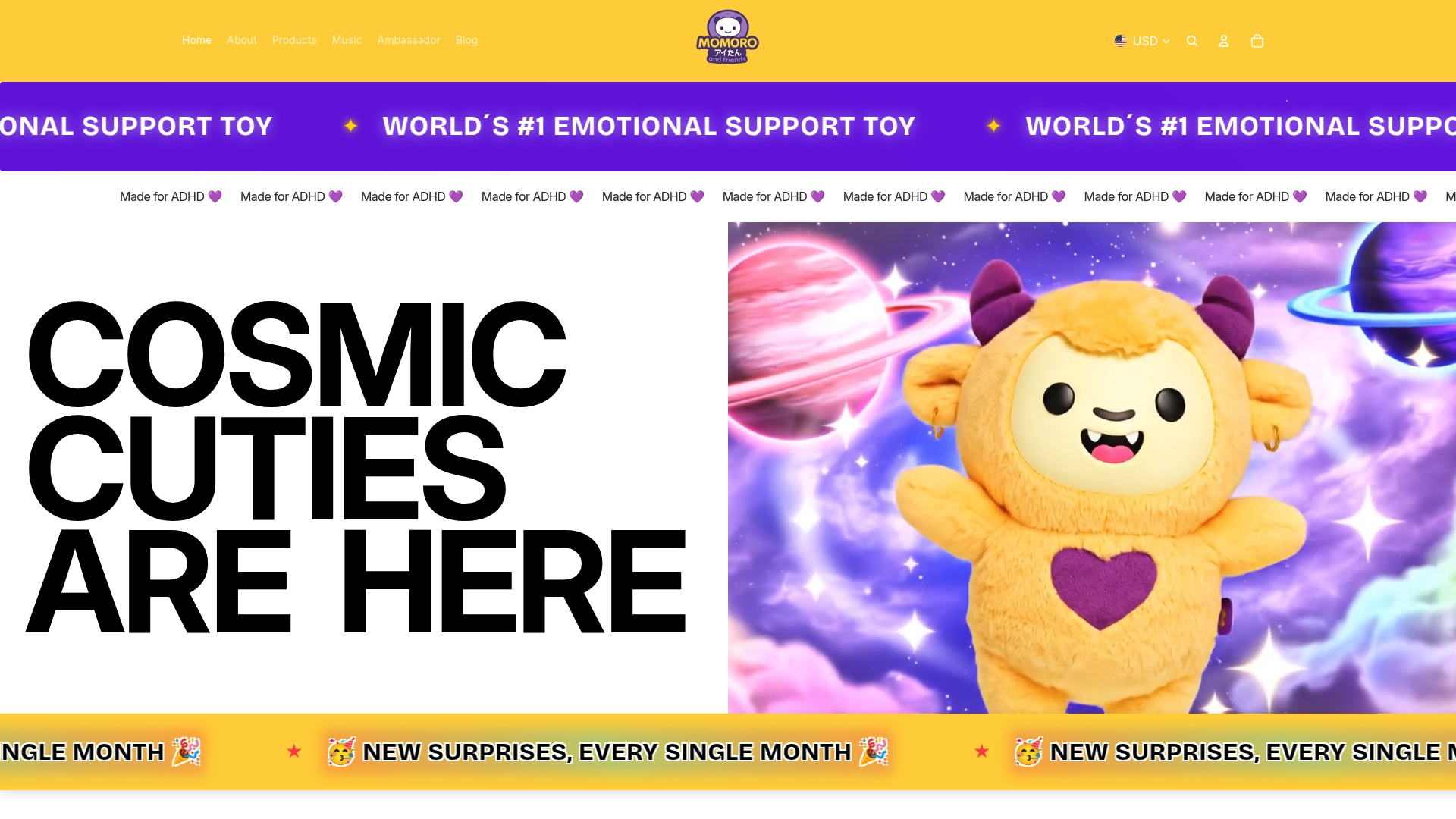
Explore our Japanese-Inspired Plush Toys for ADHD & Anxiety – MOMORO & Friends collection where each plush is designed with ultra-soft materials and NFC-enabled digital gifts to help ease your stress and lift daily moods. With only 5,000 units per drop, these limited edition collectibles combine comfort, creativity and safety certifications into one trusted source of emotional support. Visit https://momoro.store now to find your new calming companion and start your personalised sensory journey today.
Frequently Asked Questions
What materials should I look for in an emotional support toy?
Choose calming materials that provide gentle sensory feedback, such as ultra-soft Minky microfibre, organic cotton, or bamboo fabric. Action: Test the textures against your skin to find what feels most soothing for you.
How can I ensure my emotional support toy is portable and discreet?
Look for toys that are small, lightweight, and have neutral colours to blend in with your belongings. Action: Opt for keychain-sized stress relievers or slim fidget tools that can be easily concealed during daily activities.
What interactive features can enhance the usefulness of an emotional support toy?
Consider toys with features like NFC connections, customisable textures, and responsive mechanisms to create engaging sensory experiences. Action: Seek out toys that adapt to your needs for varying emotional states throughout the day.
How can I ensure the safety of the materials used in my emotional support toy?
Prioritise toys with certifications for medical grade and non-toxic materials, such as the OEKO TEX Standard 100. Action: Always ask for detailed material safety documentation to confirm the absence of harmful substances.
What specific characteristics should I look for in toys designed for ADHD and anxiety?
Select toys that provide predictable tactile feedback, low stimulation, and quiet interaction mechanisms. Action: Choose options with weights or soft textures to help ground and comfort during overwhelming moments.
Why are limited edition emotional support toys beneficial?
Limited editions offer a sense of personal ownership and unique emotional engagement, making them special comfort companions. Action: Create a tracking system for your collectibles to enhance emotional investment and anticipation.