

Over one in eight British adults live with ADHD or anxiety, yet few realize how much their daily environment affects their wellbeing. Finding ways to create a soothing space and adopt calming routines can make a measurable difference in managing symptoms. This guide explores simple, effective strategies—from plush collectibles to mindful routines—that help transform your surroundings into a supportive sanctuary for both body and mind.
Table of Contents
- Step 1: Prepare Your Calming Environment
- Step 2: Introduce Plush Collectibles For Comfort
- Step 3: Practise Mindful Interaction With MOMORO
- Step 4: Reinforce Positive Emotional Routines
- Step 5: Assess Your Mood And Emotional Progress
Quick Summary
| Key Points | Explanation |
|---|---|
| 1. Create a calming environment | Design a tranquil space by minimising sensory triggers like clutter and harsh lighting. |
| 2. Use plush collectibles for comfort | Incorporate soft plush toys that provide tangible emotional support and grounding during stressful moments. |
| 3. Practise mindful interaction with MOMORO | Establish a consistent routine with your MOMORO for emotional regulation and comfort. |
| 4. Develop positive emotional routines | Create a personalised routine map involving activities that foster emotional stability and predictability. |
| 5. Track mood and emotional progress | Use a simple mood tracking system to enhance self-awareness and reflect on emotional dynamics. |
Step 1: Prepare your calming environment
Creating a tranquil space that supports your emotional wellbeing isn’t just about aesthetics it’s about designing a sanctuary that helps manage ADHD and anxiety symptoms. Kent Community Health NHS Foundation Trust recommends minimising sensory triggers to help individuals stay focused and relaxed.
Start by assessing your current environment through a sensory lens. Look for potential overstimulation sources like harsh fluorescent lighting, unexpected background noises, or cluttered spaces. Consider soft, warm lighting options such as table lamps with dimmer switches, noise cancelling headphones to reduce auditory distractions, and strategic furniture placement that creates clear visual paths. The goal is to create a predictable, gentle environment that feels safe and supportive.
A practical tip many people overlook is establishing a dedicated calm zone in your living space. This could be a specific corner with a comfortable chair, soft blanket, and carefully curated items that bring you comfort. North Derbyshire CAMHS suggests incorporating visual aids and maintaining consistent routines to help reduce anxiety and provide a sense of structure. Your calm zone becomes a retreat where you can reset and recharge whenever sensory overwhelm starts creeping in.
Step 2: Introduce plush collectibles for comfort
Berkshire Healthcare NHS Foundation Trust recommends creating a calming toolbox that helps manage stress and anxiety symptoms. Plush collectibles can be a powerful tool in your emotional support toolkit, offering a tangible source of comfort during challenging moments. These soft companions are more than just toys they are sensory regulators that can help ground your emotions and provide a sense of security.
When selecting plush collectibles for emotional support, focus on texture, size, and personal connection. Look for toys with soft materials that feel soothing to touch, such as minky fabrics or gentle microfibre. Some individuals find weighted plushies particularly helpful, as their gentle pressure can provide a calming sensory experience. Achieve Psychology highlights the importance of incorporating calming objects into your environment to reduce anxiety and restlessness.

Consider creating a dedicated display or storage area for your plush collectibles a special shelf or cosy corner that becomes your personal comfort zone. This space can serve as a visual reminder of emotional support, allowing you to reach for a plush friend whenever you feel overwhelmed. Remember that the right collectible can be a powerful ally in managing ADHD and anxiety symptoms providing comfort, stability, and a gentle touchstone during stressful moments.
Step 3: Practise mindful interaction with MOMORO
Recent research on virtual environments for neurodivergent individuals highlights the importance of personalised sensory experiences for emotional regulation. Mindful interaction with MOMORO isn’t just about holding a plush toy it’s about creating a deliberate, supportive connection that helps manage anxiety and ADHD symptoms. Think of your MOMORO as more than a collectible think of it as a sensory companion designed to provide comfort and emotional stability.
Start by establishing a consistent interaction routine. Find a quiet space where you can focus entirely on your connection with MOMORO. Begin with gentle touch exploring the texture and softness of the plush. Notice how the fabric feels against your skin how its weight and warmth can help ground your sensations. Augmented reality research suggests interactive experiences can support cognitive behavioural techniques for managing emotional challenges. Engage with your MOMORO through mindful breathing exercises holding the plush close during deep inhales and exhales to create a sense of safety and calm.
Remember that mindful interaction is a personal journey. Some days you might need more physical contact with your MOMORO other days simply having it nearby can provide reassurance. The key is developing a consistent practice that feels natural and supportive to your unique emotional needs. Your MOMORO isn’t just a toy it’s a therapeutic tool designed to help you navigate moments of anxiety and sensory overwhelm with gentleness and understanding.
Step 4: Reinforce positive emotional routines
The ADHD Centre emphasises establishing daily routines that support emotional wellbeing and help manage anxiety symptoms. Positive emotional routines are like invisible scaffolding that provide structure and predictability to your daily experience. Think of these routines as gentle guardrails that guide you through challenging moments helping you maintain emotional balance and resilience.
Start by creating a personalised routine map that includes multiple sensory and emotional regulation strategies. This might involve morning mindfulness practices with your MOMORO plush gentle stretching exercises journaling or short meditation sessions. North Derbyshire CAMHS recommends using visual aids to help understand and prepare for emotional transitions which can be incredibly helpful for individuals managing ADHD and anxiety. Consider creating a visual tracker or checklist that allows you to mark your daily emotional regulation activities something that feels rewarding and motivating.
Remember that reinforcing positive emotional routines is a flexible practice not a rigid system. Some days will feel easier than others and thats completely okay. The goal is consistency not perfection. Celebrate small victories track your progress gently and approach your routine with curiosity and compassion. Your emotional wellbeing is a journey and each small step counts towards building a more balanced and supportive inner landscape.
Step 5: Assess your mood and emotional progress
Research examining ADHD symptom relationships reveals complex emotional dynamics that require careful and compassionate self monitoring. Mood assessment isn’t about judgement it is about developing a nuanced understanding of your emotional landscape. Your MOMORO companion can become a powerful ally in this journey helping you track and reflect on your emotional states with gentleness and curiosity.
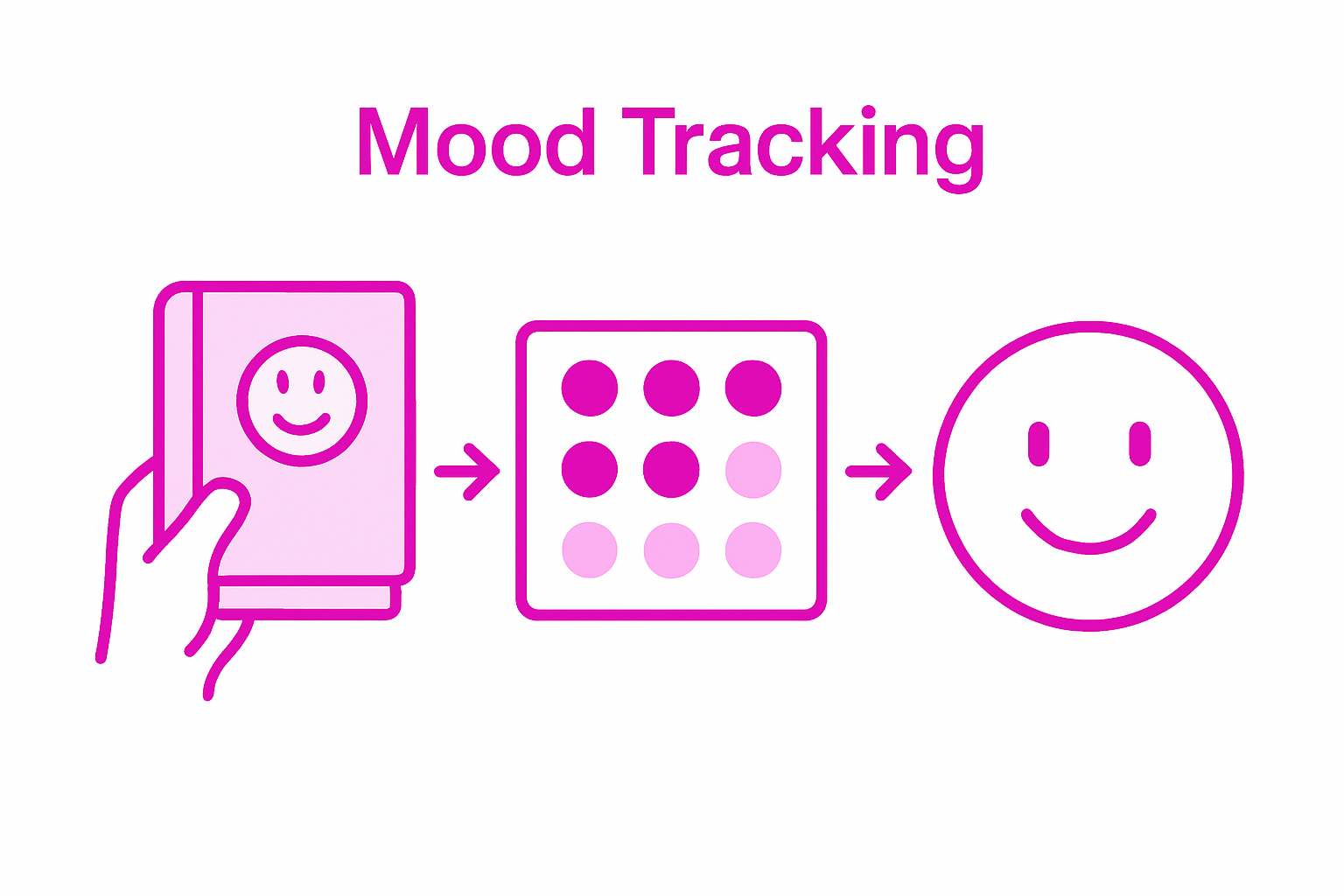
Develop a simple mood tracking system that feels intuitive and supportive. This might involve using a colour coded journal noting your emotional experiences alongside your MOMORO interactions or creating a digital tracker that allows you to log your daily emotional fluctuations. Virtual reality studies suggest innovative approaches to understanding emotional wellbeing highlighting the importance of finding assessment methods that resonate with your personal experience. Consider using a combination of quantitative ratings simple written reflections and sensory check ins with your plush companion.
Remember that emotional progress is not linear. Some days will feel more challenging than others and thats perfectly normal. The goal of mood assessment is not to achieve constant happiness but to develop greater self awareness and compassion. Treat yourself with kindness approach your emotional tracking as a form of self care and celebrate the small insights you gain along the way. Your MOMORO is there to support you providing a soft constant presence as you navigate the complex terrain of your inner world.
Discover Calm and Comfort with MOMORO for ADHD and Anxiety Support
Managing emotional overwhelm and sensory challenges can feel isolating and exhausting. This guide highlights crucial steps such as creating calming environments, using plush collectibles for comfort, and practising mindful interactions to ease ADHD and anxiety symptoms. If you are seeking a unique solution that combines sensory grounding and emotional support MOMORO & FRIENDS offers an interactive collectible designed specifically to bring calm and stability.
Experience the soothing presence of an NFC-enabled plush companion that unlocks monthly digital gifts crafted to reduce stress and enhance mood. MOMORO blends comfort and creativity with technology to support your emotional routines and reinforce positive wellbeing daily. Take the next step in your emotional support journey and explore how MOMORO can be your personal ally against anxiety at MOMORO Store. Start today and embrace a calmer tomorrow.
Frequently Asked Questions
How can I create a calming environment for managing ADHD and anxiety?
Creating a calming environment involves assessing your space for sensory triggers like bright lighting and noise. Install soft lighting, reduce clutter, and establish a dedicated calm zone with comforting items to promote relaxation.
What are plush collectibles, and how can they help with emotional support?
Plush collectibles provide tangible comfort and can serve as sensory regulators to help manage anxiety symptoms. Choose soft, soothing materials and create a display area for your collectibles to remind you of their comforting presence.
How do I interact mindfully with my MOMORO for emotional support?
Mindful interaction with your MOMORO involves establishing a consistent routine where you focus on the texture and comfort it provides. Spend time engaging with it through breathing exercises, allowing its presence to ground your emotions during anxious moments.
What positive emotional routines should I reinforce to support my mental wellbeing?
Positive emotional routines might include morning mindfulness, gentle stretching, or journaling. Create a personalised routine map including these activities to guide you in maintaining emotional balance and to track your progress regularly.
How do I assess my mood and emotional progress effectively?
To assess your mood, create a simple mood tracking system that feels intuitive, such as a colour-coded journal. Log your emotional states regularly and review your insights weekly to cultivate self-awareness and compassion towards your emotional journey.
Recommended
- Effective Body Scan Meditation to Reduce Anxiety and stress – MOMORO & Friends
- Shop Japanese-Inspired Plush Toys for ADHD & Anxiety – MOMORO & Friends
- S1 Space Cuties KUTI Launch Edition Plush Toy 20% Off – MOMORO & Friends
- The Kirakiras - Authentic Kpop Demon Hunter Series – MOMORO & Friends
- Kunst und Achtsamkeit – Wege zu innerer Ruhe – Curiocanvas