

More than 1 in 10 British children now experience attention and emotional challenges that impact daily life. Parents across the United Kingdom are searching for creative ways to support emotional well-being and keep their kids meaningfully engaged. Digital plush experiences are emerging as smart interactive collectibles that blend comfort with technology, offering British families new opportunities for sensory regulation, emotional support, and playful motivation.
Table of Contents
- What Is A Digital Plush Experience?
- Types Of Interactive Plush Technologies
- How Digital Plushes Engage Children
- Nfc And Digital Rewards Explained
- Benefits For Children With Adhd And Anxiety
- Safety, Privacy, And Parental Controls
Key Takeaways
| Point | Details |
|---|---|
| Innovative Play Experience | Digital plush toys merge traditional comfort with technology, providing interactive play that supports engagement and emotional regulation for children with ADHD. |
| Adaptive Features | These toys utilise advanced sensors and personalised feedback, allowing them to respond to a child’s emotions and interactions, fostering a tailored experience. |
| Therapeutic Benefits | The toys help improve sensory regulation, emotional understanding, and executive functioning, making playtime a valuable tool for managing ADHD symptoms. |
| Privacy and Safety | Robust parental control and data protection measures are essential, ensuring a secure environment for children while they engage with digital plush companions. |
What Is a Digital Plush Experience?
A digital plush experience represents an innovative intersection between traditional comfort and cutting-edge technology, transforming how children with ADHD interact with their play companions. Digital technologies integrated into plush toys create interactive, sensory-engaging objects that go far beyond conventional stuffed animals.
These intelligent companions leverage embedded sensors and adaptive software to provide dynamic, personalised interactions. Unlike traditional toys, digital plush can respond to a child’s touch, movement, and emotional state, creating a responsive play environment that supports emotional regulation and engagement. Interactive digital capabilities allow these plush toys to offer audio feedback, light responses, and adaptive interactions that make play more immersive and supportive.
The core innovation lies in merging physical softness with digital intelligence. These plush companions can track interactions, provide calming sounds, offer guided breathing exercises, and even connect to mobile apps that help parents understand their child’s emotional journey. For children with ADHD, this means a play experience that is not just entertaining, but therapeutically designed to provide sensory comfort and emotional support.
Pro-Tip: When selecting a digital plush experience for a child with ADHD, prioritise toys with multi-sensory features and adaptive interaction capabilities that can grow with your child’s developmental needs.
Types of Interactive Plush Technologies
Interactive plush technologies have evolved dramatically, offering a diverse range of sophisticated features tailored to support children with ADHD. Sensor-embedded toys with customisable interactions represent a groundbreaking approach to therapeutic play, enabling personalised experiences that adapt to individual emotional needs.
These innovative technologies can be categorised into several distinct types. Programmable response plush leverage motion sensors, voice recognition, and artificial intelligence to create responsive companions. Smart interactive plush toys integrate multiple technological features like Bluetooth connectivity, LED lighting, and adaptive learning algorithms, transforming traditional toys into intelligent support tools.
Key technological categories include companion plush with emotional tracking capabilities, educational plush that provide interactive learning experiences, and therapeutic plush designed specifically for sensory regulation. These toys can offer guided breathing exercises, provide calming sound sequences, track interaction patterns, and even connect to mobile applications that help parents understand their child’s emotional landscape.
Here is a summary of interactive plush technology types and their distinctive features:
| Technology Type | Core Features | Typical Uses |
|---|---|---|
| Companion Plush | Emotional tracking, calming feedback | Emotional support, reassurance |
| Educational Plush | Interactive learning, story-telling | Skill-building, engagement |
| Therapeutic Plush | Sensory regulation, guided exercises | Anxiety reduction, regulation |
| Programmable Response | Motion sensors, voice recognition | Personalised interactions |
| Smart Interactive Plush | Bluetooth, LED, adaptive learning | Connected play, tracking |
Pro-Tip: When exploring interactive plush technologies, prioritise toys with multi-modal sensory features and personalisation options that can grow alongside your child’s developmental journey.
How Digital Plushes Engage Children
Multimodal feedback technologies create a revolutionary approach to child engagement, transforming passive play into an interactive, responsive experience. Digital plush toys leverage sophisticated sensor technologies that respond dynamically to a child’s touch, sound, and emotional signals, creating a deeply personalised interaction that goes beyond traditional playtime.
These intelligent companions use advanced artificial intelligence to recognise and adapt to individual interaction patterns. Interactive plush toys with voice recognition can tell stories, sing songs, and even modify their behaviour based on previous interactions. This adaptive capability means each play session becomes a unique, emotionally resonant experience that can help children with ADHD feel understood and supported.

The engagement mechanism works through multiple sensory channels. Some digital plushes use LED lighting to provide visual feedback, others incorporate sound responses that change based on the child’s touch or movement. This multi-sensory approach helps children with ADHD regulate their emotional state, providing a comforting, predictable yet dynamic interaction that can help reduce anxiety and improve focus.
Pro-Tip: Select digital plush toys that offer multiple interaction modes and can evolve with your child’s developmental stages to maximise therapeutic benefits.
NFC and Digital Rewards Explained
Near Field Communication technology.pdf) represents a groundbreaking approach to interactive engagement, enabling seamless digital interactions through simple physical touch. In the world of digital plush toys, NFC transforms traditional play by creating instant, secure connections between physical toys and digital platforms, allowing children to unlock unique experiences with just a tap.
The digital rewards system works through sophisticated tracking mechanisms that provide immediate, personalised feedback. Digital rewards platforms leverage advanced algorithms to generate badges, points, and interactive tokens that respond dynamically to a child’s specific interactions. These rewards are not just generic motivational tools, but carefully designed experiences that can help children with ADHD feel recognised, celebrated, and emotionally supported.
NFC technology enables a profound layer of interaction by allowing digital plush toys to store and update information about a child’s play history, emotional states, and engagement levels. This means each tap can trigger a unique response, creating a deeply personalised experience that adapts and grows with the child. The technology transforms a simple soft toy into an intelligent companion that understands and responds to individual needs.
Pro-Tip: Choose NFC-enabled digital plush toys that offer progressive reward systems which adapt to your child’s developmental milestones and emotional journey.
Benefits for Children With ADHD and Anxiety
Digital interventions for ADHD support represent a revolutionary approach to managing attention and emotional challenges in children. Interactive plush technologies offer a unique, multi-dimensional strategy for addressing the complex needs of children struggling with attention deficit and anxiety disorders, providing sensory and emotional regulation through innovative design.
These specialised toys work by delivering consistent, predictable sensory feedback that helps children establish emotional boundaries and manage overwhelming stimuli. The interactive features create a safe, controlled environment where children can practice self-regulation skills, develop emotional intelligence, and build confidence through positive, supportive interactions. By responding to touch, movement, and emotional cues, digital plush toys become more than mere objects - they transform into adaptive therapeutic companions.
The key benefits extend across multiple developmental domains. Children experience improvements in executive functioning through guided interactions, reduced anxiety through predictable and comforting responses, and enhanced emotional understanding by engaging with a responsive, non-judgmental companion. The technology allows for personalised experiences that adapt to each child’s unique emotional landscape, making therapeutic support feel less clinical and more engaging.
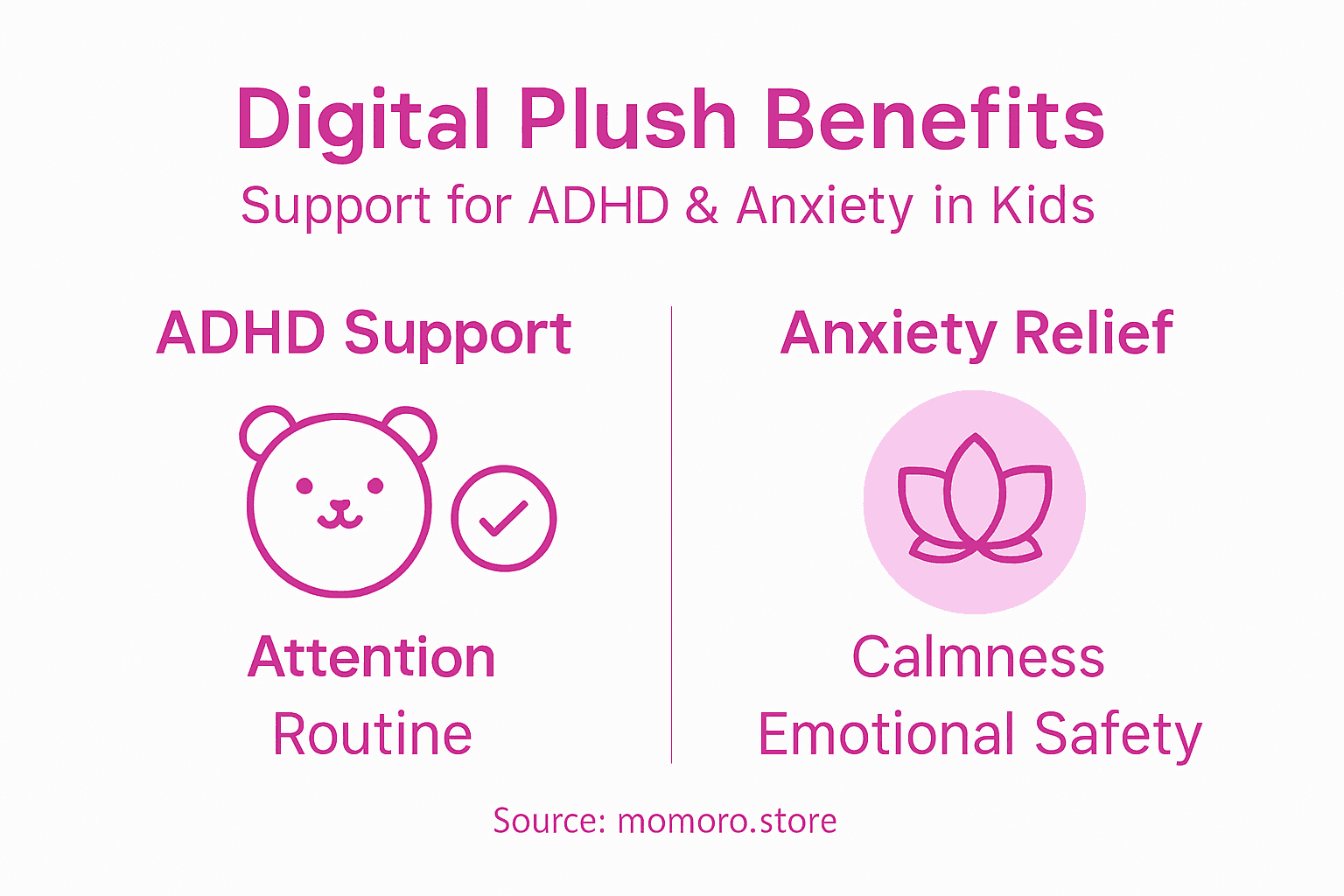
Compare the benefits of digital plush toys for children with ADHD and anxiety:
| Benefit Area | Impact for ADHD | Impact for Anxiety |
|---|---|---|
| Sensory Regulation | Calms restlessness, increases focus | Reduces overwhelming stimuli |
| Emotional Support | Builds confidence, emotional awareness | Provides comfort, reduces fear |
| Executive Functioning | Enhances decision-making skills | Supports coping strategies |
| Personalisation | Adapts interactions over time | Offers consistent reassurance |
Pro-Tip: Select interactive plush toys with progressive complexity that can evolve alongside your child’s emotional and developmental needs, ensuring continued engagement and support.
Safety, Privacy, and Parental Controls
Digital plush privacy standards demand rigorous protection mechanisms that safeguard children’s personal information and digital interactions. Interactive plush technologies must balance engaging experiences with comprehensive security protocols, ensuring that every digital interaction remains secure, transparent, and age-appropriate.
Data protection involves multiple layers of security. UK manufacturers are required to implement robust encryption, limit data collection, and provide clear, accessible parental control interfaces. Connected toy cybersecurity guidelines mandate that interactive plush toys incorporate secure data handling practices, preventing unauthorized access and ensuring children’s digital experiences remain protected and private.
Parental control features are crucial in managing digital interactions. These sophisticated systems allow parents to monitor play patterns, set usage limits, filter content, and receive insights into their child’s emotional engagement. Advanced technologies enable granular controls that respect children’s autonomy while providing parents with comprehensive oversight, creating a balanced and safe digital play environment.
Pro-Tip: Always review the privacy policy and parental control settings before introducing any interactive digital toy, ensuring comprehensive protection for your child’s digital experience.
Discover How MOMORO & FRIENDS Brings Digital Plush Experience to Life
Children with ADHD and anxiety often face challenges in emotional regulation and sensory engagement. This article highlights the transformative power of digital plush companions that combine multi-sensory feedback, NFC-enabled personalised rewards, and adaptive interactions designed to support calming and focus. MOMORO & FRIENDS embodies these very principles by offering Japanese-inspired digital plush toys created specifically to ease stress and lift moods through innovative technology.
Experience the future of therapeutic play with Shop Japanese-Inspired Plush Toys for ADHD & Anxiety – MOMORO & Friends. Each NFC-enabled blind box unlocks monthly digital gifts that grow alongside your child’s developmental and emotional needs. With limited editions of 5,000 units per drop, MOMORO blends comforting softness with intelligent design to provide emotional support and sensory regulation in a way that traditional toys cannot.
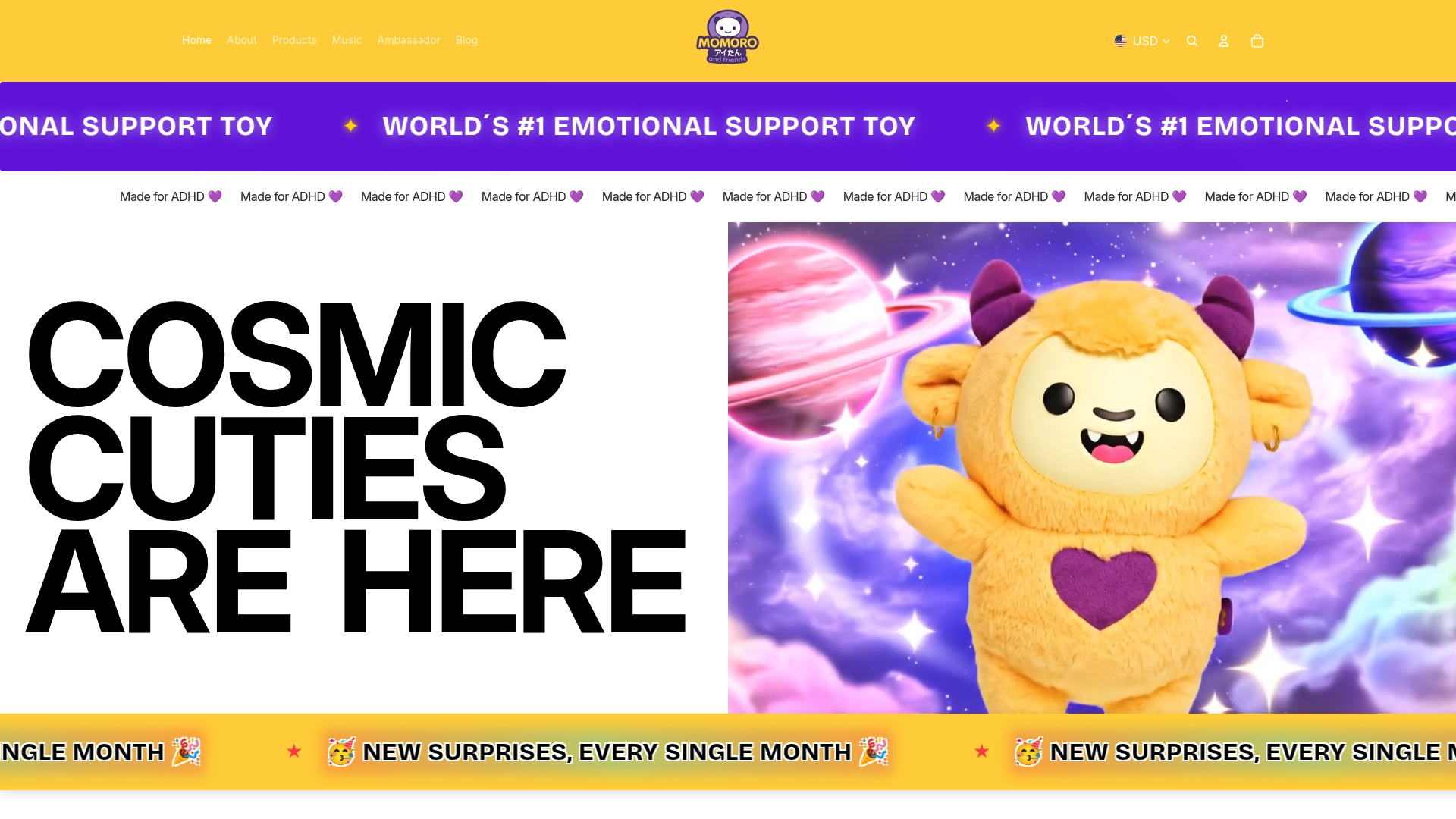
Take the next step in supporting your child’s unique journey. Explore the collection at https://momoro.store today and discover an interactive plush experience that transforms everyday play into meaningful moments of calm and confidence.
Frequently Asked Questions
What is a digital plush experience?
A digital plush experience combines traditional plush toys with advanced technology, creating interactive companions that respond to a child’s touch, movements, and emotional states. These toys aim to support emotional regulation and engagement, particularly for children with ADHD.
How do digital plush toys help children with ADHD?
Digital plush toys provide consistent sensory feedback and personalised interactions that assist children in managing overwhelming stimuli, building emotional awareness, and developing self-regulation skills in a comforting environment.
What types of interactive plush technologies are available?
Interactive plush technologies include companion plush for emotional support, educational plush for interactive learning, therapeutic plush for sensory regulation, and smart interactive plush with features like voice recognition and Bluetooth connectivity.
What safety features should I consider when selecting a digital plush toy?
When selecting a digital plush toy, it is essential to look for products with robust privacy standards, data protection measures, and parental control options that allow oversight of the child’s interactions and ensure a safe digital environment.