

Finding comfort solutions for british children with ADHD or anxiety can often feel like an exhausting quest. With over 1 in 10 british children now facing mental health challenges, parents are searching for tools that really make a difference. Next-generation collectible plush toys are changing the landscape, offering innovative ways to deliver emotional support and stress relief in a form that feels familiar, safe, and engaging for your child.
Table of Contents
- What Next‑Gen Plush Means
- Types Of Interactive Plush Toys
- How NFC‑Enabled Plush Works
- Sensory Benefits For ADHD Children
- Safety And Quality Requirements
Key Takeaways
| Point | Details |
|---|---|
| Next-Gen Plush Technology | These sophisticated toys integrate smart technologies, providing active emotional support and sensory engagement for children with ADHD and anxiety. |
| Personalised Experiences | Next-gen plush adapt to a child’s individual needs, offering programmable interactions and customisable sensory features. |
| Safety and Quality Assurance | Strict safety requirements ensure that interactive plush toys are made from hypoallergenic materials and include non-toxic components. |
| Therapeutic Value | Interactive plush toys serve as dynamic therapeutic tools, helping children manage anxiety, improve focus, and regulate emotions effectively. |
What Next‑Gen Plush Means
Next-gen plush represents a revolutionary intersection of emotional support technology and interactive play, specifically designed to address the unique needs of children with ADHD and anxiety. These aren’t just soft toys - they’re sophisticated therapeutic companions that leverage digital innovation to provide targeted sensory and emotional support.
At its core, next-gen plush integrates smart technologies like NFC chips, bluetooth connectivity, and interactive digital experiences to transform traditional comfort objects. The therapeutic game experience pioneered by projects like Wonky demonstrates how technology can turn screen time into focused attention practice, a critical breakthrough for neurodivergent children. These advanced plush toys aren’t merely passive objects but active engagement tools that adapt to a child’s emotional landscape.
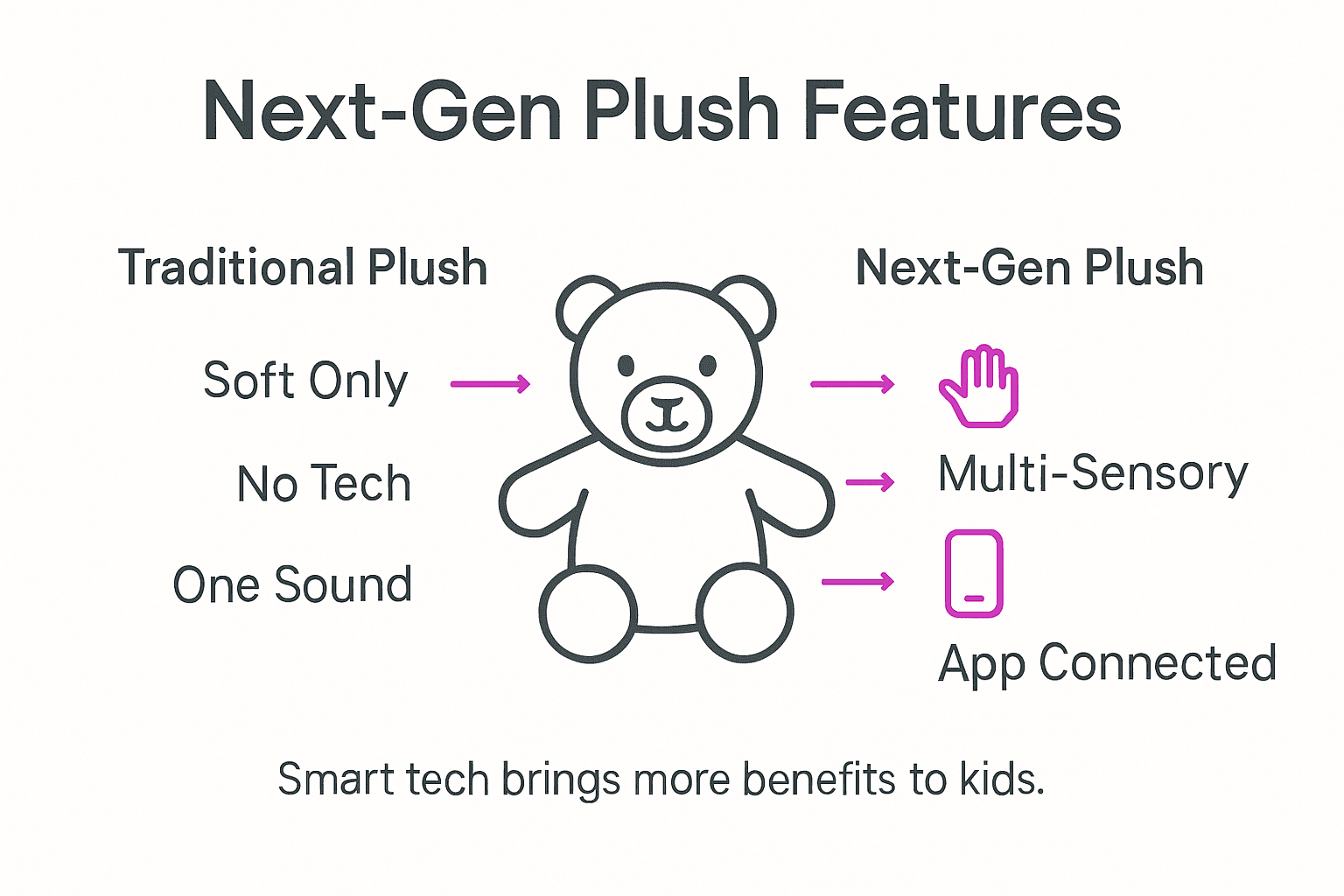
Key characteristics of next-gen plush include multisensory design elements like textured surfaces, embedded sound modules, and programmable interaction patterns that help regulate emotional states. They’re engineered to provide predictable, controlled sensory input that can help children with ADHD manage overstimulation and maintain emotional equilibrium. Unlike traditional toys, these plush companions offer personalised digital experiences that grow and change with the child’s developmental needs.
Pro Tip: Select Interactive Companion: When choosing a next-gen plush, prioritise toys with customisable digital features and sensory design elements that match your child’s specific sensory processing preferences.
Here’s a comparison of traditional plush toys and next-gen interactive plush:
| Aspect | Traditional Plush Toys | Next-Gen Interactive Plush |
|---|---|---|
| Technology Integration | None | NFC, bluetooth, sensors |
| Personalisation | Fixed design | Adaptive to child’s needs |
| Emotional Support | Passive comfort | Active, responsive support |
| Sensory Features | Basic soft texture | Programmable, multisensory |
Types Of Interactive Plush Toys
The landscape of interactive plush toys has rapidly evolved, offering diverse therapeutic options for children with ADHD and anxiety. These innovative companions range from simple sensory-focused designs to sophisticated technological marvels that provide emotional regulation and engagement. Robotic therapeutic companions like the Huggable demonstrate how technology can transform traditional comfort objects into dynamic support tools.
Key types of interactive plush toys include:
- Sensory Regulation Plush: Designed with specific textural elements, weighted components, and embedded vibration modules to provide predictable sensory input
- Digital Companion Plush: Toys with NFC chips and bluetooth connectivity that unlock personalised digital experiences
- Mood Tracking Plush: Advanced toys that can monitor emotional states through biometric sensors and provide adaptive responses
- Cognitive Engagement Plush: Interactive toys that incorporate mini-games and focused attention exercises to support neurodevelopmental skills
These interactive plush toys go beyond traditional play, functioning as therapeutic tools that adapt to individual child’s emotional and developmental needs. They leverage technology to create personalised, responsive experiences that can help manage anxiety, improve focus, and provide consistent emotional support.
Pro Tip: Sensory Match: Select an interactive plush that matches your child’s specific sensory processing profile, considering texture, weight, and interactive features that promote calm and engagement.
How NFC‑Enabled Plush Works
NFC-enabled plush represents a groundbreaking approach to interactive therapeutic technology, transforming traditional comfort objects into sophisticated digital companions. Unlike standard stuffed toys, these innovative plushies integrate near-field communication (NFC) technology to create dynamic, personalised experiences for children with ADHD and anxiety.
The core functionality of NFC-enabled plush revolves around digital interaction and sensory engagement. Robotic companions like the Huggable demonstrate how remote specialists can control interactive elements, providing a template for advanced emotional support technology. When a child taps or interacts with the plush using a compatible device, the NFC chip triggers specific responses such as:
- Unlocking personalised digital content
- Activating calming soundscapes
- Initiating interactive games designed for emotional regulation
- Tracking and reporting emotional engagement patterns
The technological architecture of these plush toys involves sophisticated sensors and microprocessors embedded within soft, child-friendly materials. These components work seamlessly to create an adaptive experience that responds to the child’s emotional state, providing consistent, technology-mediated emotional support that can be customised to individual needs.

Pro Tip: Device Sync: Ensure your smartphone or tablet is NFC-enabled and compatible with the specific interactive plush to maximise its therapeutic potential and digital interaction features.
Sensory Benefits For ADHD Children
Children with ADHD often experience unique sensory processing challenges that can significantly impact their emotional regulation and daily functioning. Collectible plush toys designed for sensory support offer a sophisticated approach to addressing these neurological differences through carefully engineered tactile experiences.
Sensory benefits for ADHD children through interactive plush include:
- Predictable Sensory Input: Provides consistent, controlled tactile stimulation that helps reduce sensory overwhelm
- Emotional Regulation: Offers a portable, discrete method for managing anxiety and emotional fluctuations
- Focus Enhancement: Tactile engagement can help redirect excess energy and improve concentration
- Stress Reduction: Weighted components and specific texture patterns can create a calming sensory experience
These plush companions are more than simple toys - they represent a nuanced therapeutic intervention that understands the complex sensory needs of neurodivergent children. By offering customisable sensory experiences, they create a safe, supportive environment that adapts to individual sensory processing profiles, helping children feel understood and supported.
Pro Tip: Sensory Matching: Observe your child’s specific sensory preferences - some children prefer soft textures, while others might seek more firm, weighted sensations - and select interactive plush that closely align with their unique sensory needs.
Safety And Quality Requirements
Ensuring the safety and quality of interactive plush toys for children with ADHD involves a comprehensive approach that addresses physical, technological, and emotional considerations. Educational plush designs like the ADHD Brain representation demonstrate the potential for meaningful, responsible product development that prioritises child well-being.
Key safety and quality requirements include:
- Material Safety: 100% hypoallergenic fabrics
- Non-Toxic Components: Rigorous testing for harmful chemicals
- Electronic Safety: Certified low-voltage NFC chips
- Durability Standards: Reinforced stitching and impact-resistant design
- Sensory Design: Carefully engineered texture and weight distribution
- Age-Appropriate Features: Developmentally matched interactive elements
Manufacturers must adhere to strict international safety standards, conducting extensive testing to ensure these therapeutic plush toys provide genuine support without introducing potential risks. This involves comprehensive assessments of materials, electronic components, and sensory design to create products that are not just innovative, but fundamentally safe for vulnerable children.
The following table summarises key safety and quality priorities for interactive plush:
| Requirement | Why It Matters | Potential Risks if Ignored |
|---|---|---|
| Hypoallergenic Fabric | Prevents allergic reactions | Skin irritation, discomfort |
| Certified Electronics | Protects against electrical faults | Short circuits, burns |
| Age-Appropriate Design | Ensures safe, suitable play | Choking hazards, misuse |
Pro Tip: Safety Verification: Always check for official safety certifications, conduct a personal inspection of the plush toy’s construction, and supervise initial interactions to ensure the product meets your child’s specific sensory and emotional needs.
Discover Next‑Gen Calm with MOMORO & FRIENDS Interactive Plush
Children with ADHD and anxiety need more than comfort; they require responsive support that adapts to their unique sensory challenges and emotional needs. The article highlights key concepts such as multisensory design, NFC-enabled personalised experiences, and emotional regulation through technology — all vital elements to help manage overstimulation and provide active emotional support.
Step into a world where cutting-edge technology meets heartfelt care with Shop Japanese-Inspired Plush Toys for ADHD & Anxiety – MOMORO & Friends. MOMORO & FRIENDS offers the world’s first interactive collectible plush that unlocks monthly digital gifts designed to ease stress and lift moods. With limited editions of only 5,000 units per drop, each NFC-enabled blind box plush blends comfort, creativity and technology to actively engage and calm your child throughout their developmental journey.
Experience the power of personalised sensory support today. Visit https://momoro.store now to explore the collection and find the perfect next-gen companion crafted to meet your child’s emotional and sensory needs. Take the step towards transforming everyday stress into calm moments with MOMORO & FRIENDS interactive plush.
Frequently Asked Questions
What is next-gen plush technology?
Next-gen plush technology refers to advanced interactive plush toys designed to provide emotional support and sensory regulation for children with ADHD and anxiety. These toys incorporate features like NFC chips and Bluetooth connectivity to create personalised experiences that adapt to a child’s emotional needs.
How do NFC-enabled plush toys work?
NFC-enabled plush toys use near-field communication technology to interact with devices. When a child taps the plush toy with a compatible smartphone or tablet, the NFC chip activates specific functions, such as unlocking digital content, initiating calming soundscapes, or enabling interactive games tailored for emotional regulation.
What types of interactive plush toys are available for children with ADHD?
There are several types of interactive plush toys designed for children with ADHD, including sensory regulation plush that provides controlled tactile stimulation, digital companion plush with personalised experiences via NFC, mood tracking plush that monitor emotional states, and cognitive engagement plush that incorporates mini-games for focus enhancement.
How can interactive plush toys help with sensory processing challenges in ADHD?
Interactive plush toys offer predictable sensory input, which can help reduce sensory overwhelm. They provide portable emotional regulation tools that enhance focus, alleviate anxiety, and create calming environments through customisable tactile experiences aligned with a child’s sensory preferences.