

Ever feel like your brain is running twelve browser tabs at once and you still can’t find the music player? Yeah, same. Welcome to the club. Turns out, the adhd club is way bigger than anyone admits — and honestly, it’s a pretty interesting crowd.
This isn’t another “just try harder” pep talk. Think of this guide as your friendly roadmap for figuring out what adhd actually means in 2026, what it definitely doesn’t, and how we can live with it without losing our minds completely. Not gonna lie, I’ve lost my keys more times than I can count, but we’re in this together.
We’ll dig into the real science, the difference between “just distracted” and something more, how symptoms show up in real life, and the stuff that actually helps (or, let’s be real, doesn’t). Let’s make adhd feel less intimidating and a lot more manageable.
What is ADHD (and What It Absolutely Isn’t)
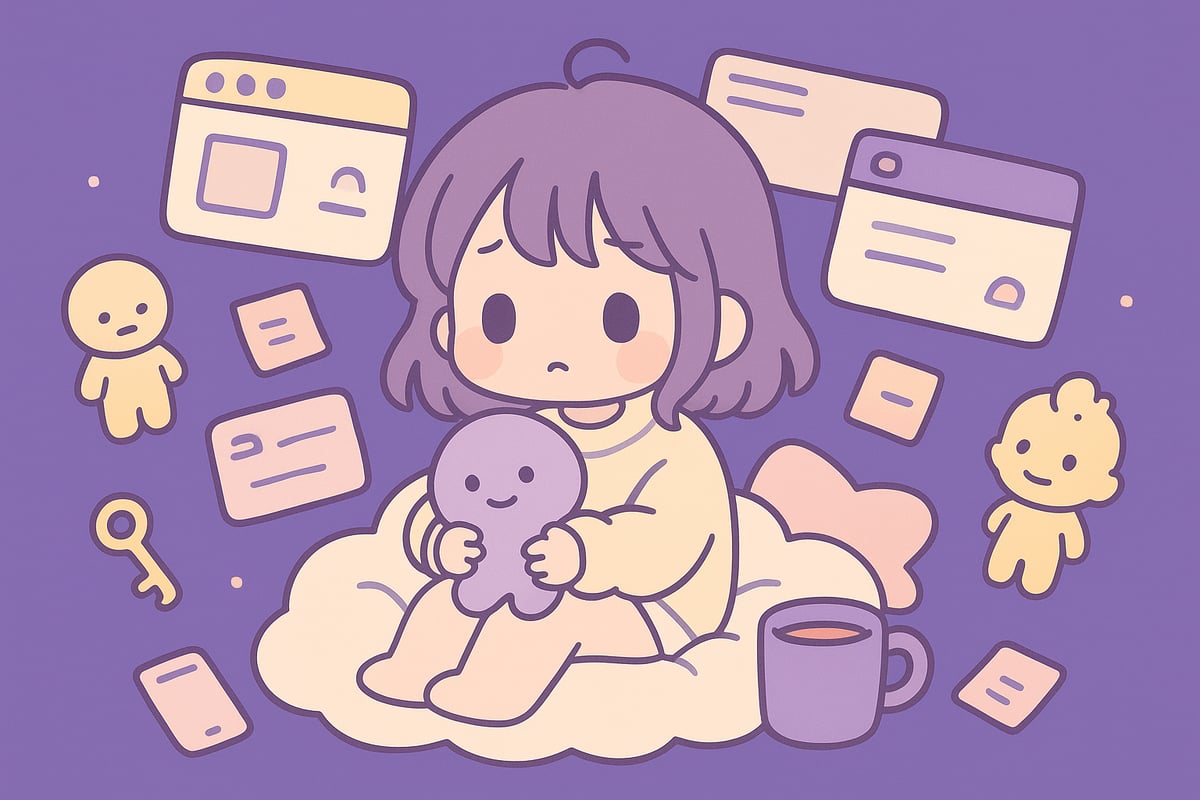
Ever felt like your brain’s a Popmart mystery box? You open it, hoping for order, but get a whirlwind of random thoughts and lost keys instead. That, my friend, is a little taste of ADHD in real life.
ADHD: The Basics
Let’s clear the air: ADHD stands for Attention Deficit Hyperactivity Disorder, but honestly, that name barely scratches the surface. It isn’t just about being distracted or fidgety. ADHD is a neurodevelopmental condition that affects self-regulation, impulse control, and, yes, attention — but also emotions, motivation, and even memory.
It’s not just a “kid thing”. Loads of adults in the UK are getting diagnosed now, often after a lifetime of feeling “offbeat” or being called “the forgetful one.” Diagnosis rates are rising, and so is awareness — ADHD prevalence and diagnosis rates in England show that it’s not rare or niche, but seriously common.
There are three main types:
- Inattentive (classic daydreamer, loses everything)
- Hyperactive-Impulsive (think: can’t-sit-still energy, blurts out ideas)
- Combined (lucky you, you get both)
Let’s bust some stubborn myths:
- “ADHD is just bad parenting.” Nope. Literally not how brains work.
- “It’s an excuse for laziness.” If only it were that easy.
- “Everyone’s a bit ADHD.” Not even close. Being forgetful sometimes isn’t the same as ADHD.
Here’s a quick comparison:
| Normal Distraction | ADHD Distraction |
|---|---|
| Forgot your keys once | Lose your keys daily, plus your phone, plus your train of thought |
| Can focus when needed | Struggle to focus even when you’re desperate to |
| Occasional daydreaming | Constantly zoning out, even mid-convo |
ADHD isn’t just about attention. It’s about the whole system that helps you regulate yourself — from emotions to motivation to remembering where you put your Smiski stash.
Famous faces with ADHD? Simone Biles, Michael Phelps, and (rumour has it) a few Mighty Jaxx designers. Proof you can have ADHD and still absolutely smash it at life.
The Science Bit (But Not Boring)
Right, so what actually causes ADHD? Genetics play a huge part. If your mum, dad, or even your great-aunt was the type to start ten projects and finish none, you might have them to thank. ADHD runs in families like an obsession with Miniso plushies.
Science has spotted actual differences in the brains of people with ADHD. MRI scans show the structure and connections work a bit differently, especially in the bits that handle focus and impulse control. There’s even a recent NIH study on ADHD brain connections that digs into this.
Environment matters too: premature birth, low birth weight, maybe lead exposure (but not, sadly, too many Popmart blind boxes). Sugar? The jury’s still out. Video games? Not a cause, though they might be your hyperfocus zone.
ADHD is officially recognised by the NHS and international health bodies, so it’s not just a TikTok diagnosis or the latest trend. It’s been around, it’s real, and it’s not caused by bad teachers or having too many Smiski figures on your desk (guilty).
So, if you’ve ever wondered why life feels like herding cats — or why you can remember every Popmart release date but not your own appointments — ADHD could be part of your story. And that’s more common (and more normal) than most people think.
ADHD Symptoms: The Real-Life Checklist
Okay, time for the bit where we all get a little “oh, that’s me” moment. ADHD symptoms are way more than just being a bit scatterbrained or occasionally losing your socks (though, yes, that too). This is your friendly, no-shame checklist — the stuff you might see in yourself, your mate, or maybe your kid. Let’s go.
Inattentive Symptoms
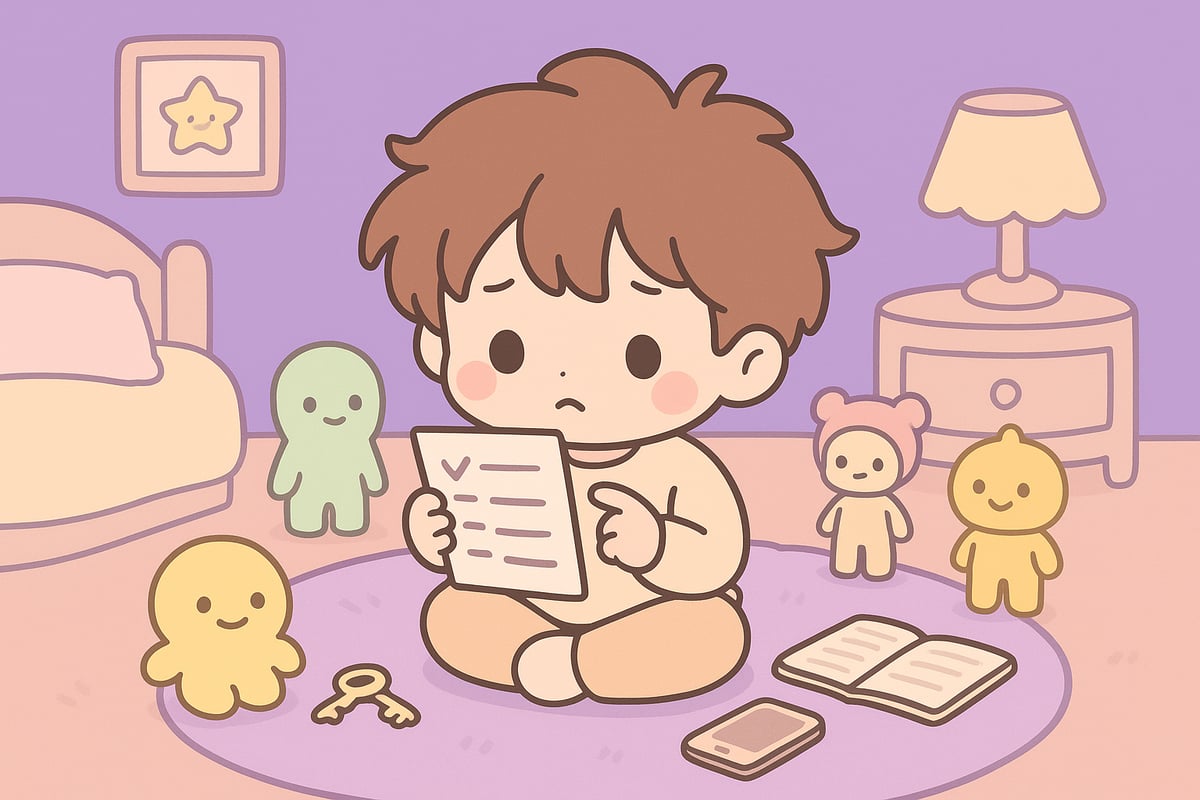
Ever zone out in the middle of a chat, only to realise you missed the last five sentences? Welcome to the inattentive side of adhd. It’s not just “being forgetful,” it’s living in a world where your brain is a browser with 37 tabs open, half of them playing mysterious music.
Common signs:
- Losing things (keys, phone, sometimes your dignity at the till).
- Missing details on forms or homework, even when you care a lot.
- Starting projects with cosmic enthusiasm, but finishing them? Hmm, maybe next week.
- Forgetting appointments you literally just wrote down.
- Avoiding paperwork, chores, or anything that feels like it might take ages.
I remember school reports saying, “So much potential, if only they’d focus.” If I had a quid for every time a teacher wrote that, I’d have enough for a whole Popmart haul. The adhd brain isn’t lazy, it’s just wired for a different kind of attention. Not gonna lie, sticky notes and phone alarms are basically my lifelines.
Hyperactive & Impulsive Symptoms
If you’ve ever felt like you’re powered by invisible coffee, this bit might ring a bell. Hyperactivity in adhd isn’t always about running around — sometimes, it’s just a restless energy that never quite switches off.
Here’s what it looks like:
- Fidgeting, tapping, doodling in every meeting (my notebooks are 80 percent doodles, 20 percent notes).
- Blurting out thoughts, sometimes before your brain’s had a chance to check if it’s a good idea.
- Interrupting people (not on purpose, promise), or finishing their sentences.
- Impulsive shopping, like buying that limited-edition Miniso plush at 2am.
- For kids: climbing on stuff, running when they shouldn’t. For adults: switching hobbies, jobs, or even relationships on a whim.
Girls and women with adhd are often more inattentive than hyperactive, so they get missed. Imagine being called “quiet” or “spacey” instead of “bouncy” — and flying under the radar completely. It’s a wild ride, but sometimes, this energy is exactly what makes us creative or quick on our feet.
Emotional & Social Symptoms
Let’s talk feelings, because adhd is definitely not just about focus. Picture this: one minute you’re fine, the next you’re in tears over a lost Smiski figure (true story, no shame). Emotional swings and social hiccups are classic parts of the adhd experience.
Spot the signs:
- Mood swings, frustration over tiny things, or crying at adverts (guilty).
- Rejection sensitivity — that “why does everyone hate me” spiral when someone forgets to text back.
- Self-esteem rollercoasters, feeling like you’re “too much” or “not enough.”
- Struggling to keep up with friends, missing birthdays, or zoning out mid-gossip.
ADHD UK says people with adhd have higher rates of anxiety and low self-esteem. Not gonna lie, sometimes a plushie hug helps more than any pep talk. If you’re curious about how something as simple as an emotional support plush can help with adhd-related anxiety and emotional regulation, MOMORO’s got some cosmic ideas.
You’re not “bad at feelings,” you just feel them with the volume cranked to eleven. And honestly, that’s kind of a superpower — empathy for days.
ADHD in Different Ages
ADHD isn’t just a kid thing — it does a whole costume change as you get older. Kids with adhd might be the class clown, always forgetting homework or getting notes sent home. Teens? Think risky choices, falling grades, and the classic “why can’t I just fit in” drama.
In adulthood, adhd looks like:
- Disorganised desks, missed deadlines, and a calendar that’s pure chaos.
- Forgetting to pay bills, RSVP to parties, or reply to that “urgent” WhatsApp from your boss.
- Relationship drama, because “adulting” is basically a full-contact sport for the adhd brain.
Here’s a quick table for that “Aha!” moment:
| Age Group | Common ADHD Signs |
|---|---|
| Kids | Forgetfulness, fidgeting, class clown moments |
| Teens | Risky behaviour, academic dips, peer drama |
| Adults | Disorganisation, missed deadlines, relationship chaos |
No matter your age, adhd is just part of your story. And for what it’s worth, plenty of creative legends (hello, Mighty Jaxx designers) are thriving with it. So if you find adulting hard, you’re in good company.
Getting Diagnosed: The 2026 Pathway
So, you think you might be part of the adhd crew (welcome, by the way). The first big step? Getting an actual diagnosis. It can feel like prepping for a Hogwarts sorting ceremony, except with more paperwork and fewer talking hats. Let’s break down what the adhd diagnosis journey looks like in 2026, minus the scary bits and with maximum realness.
How Diagnosis Works Now
Alright, let’s talk about getting an adhd diagnosis in the UK. You’ve got two main routes: the classic NHS path or going private (like booking a fast pass at Popmart, but for your brain).
If you go NHS, brace yourself for a wait. We’re talking months, sometimes years, depending on your local area. The upside? It’s free, and you get access to specialist teams who know adhd inside out. The NHS “Right to Choose” scheme is a bit of a game-changer now, letting you pick from a wider pool of assessment providers, which can help speed things up if your local service is a snail.
Private diagnosis is the express lane. You’ll pay (sometimes a lot), but you might get seen in weeks. Both routes involve a similar process: first, a screening questionnaire (think: “how often do you lose your keys?”), then a full assessment with a specialist. This usually means a deep-dive chat about your life, school or work reports, and maybe a parent or partner’s input. No, TikTok self-diagnosis doesn’t count, but it’s great for relatable memes.
It’s not all about ticking boxes for attention, either. Professionals are looking for patterns of adhd symptoms across different parts of your life, not just a one-off bad day. They’ll also check for other things that often tag along, like anxiety, depression, or autism. And here’s a fun fact: girls and women are still flying under the radar, because dreamy, daydreamy types often get missed.
For the latest on how the system’s changing, check out the NHS ADHD Taskforce report summary. It’s got all the 2025 updates about diagnosis rates, wait times, and what the NHS is (finally) doing to help.
Not gonna lie, there’s still a way to go. But awareness is up, and more people are getting the adhd support they deserve. If your school report said “so much potential, if only they’d focus,” you’re in good company.
What to Bring/Expect
So you’ve got your adhd assessment date (woo!). What now? First, don’t panic. You don’t need to write a novel, but a little prep helps a lot. Here’s a checklist for your appointment:
- A list of your adhd symptoms (be honest, and don’t downplay the weird stuff—like why you own six Miniso organisers yet still lose your keys).
- Real-life examples: missed deadlines, lost items, “oops, forgot the milk… again.”
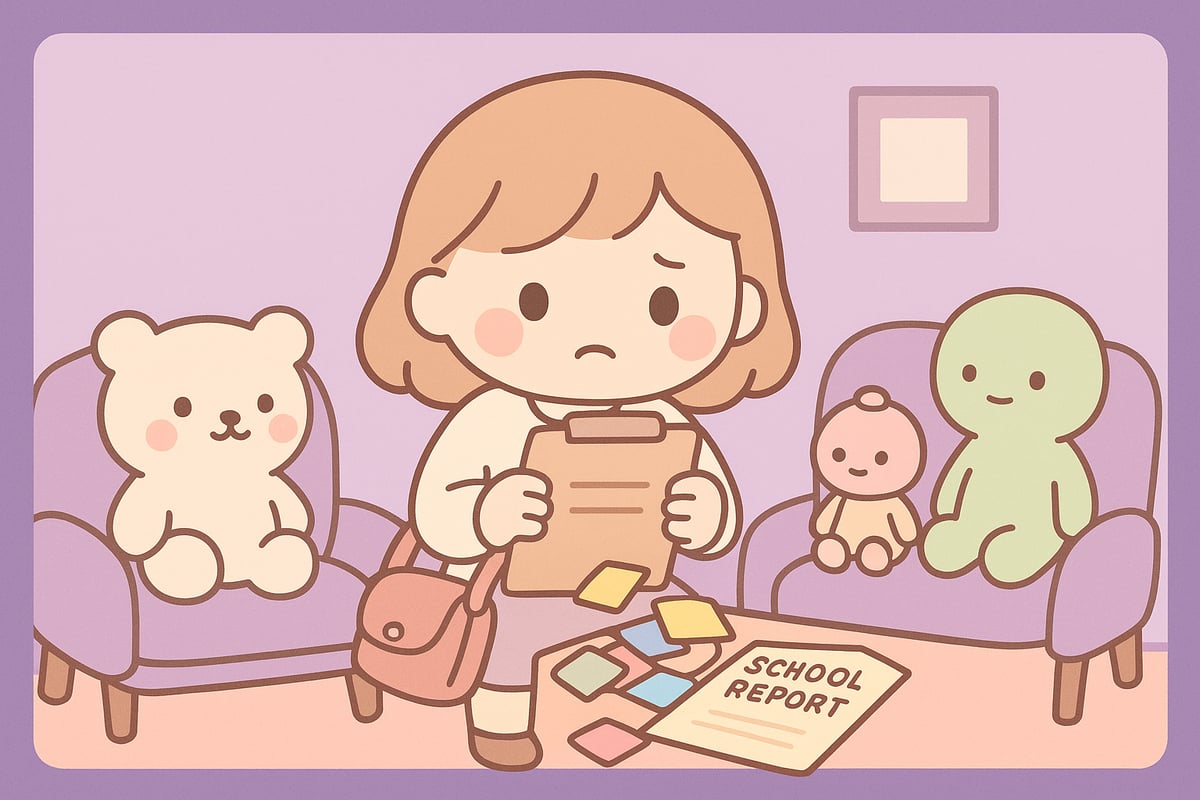
- School reports (bonus points for those classic “easily distracted” comments).
- Work feedback if you have it.
- A supportive friend or family member (sometimes they spot adhd things you don’t).
- Any mental health history (anxiety, depression, etc.).
They’re not just looking for adhd at home or school—they want to see it popping up everywhere. The golden rule: symptoms have to be there in more than one setting (so, not just when you’re staring at a Popmart collection and zoning out).
There’s no blood test or brain scan for adhd (yet—maybe one day, science). Diagnosis is all about your story, your history, and how adhd shows up in your day-to-day. Be ready to talk about your wins and struggles, not just the “bad” bits.
You might feel nervous, but honestly, the right professional will make you feel seen (not judged). They know adhd isn’t about laziness or being “too much.” It’s a real thing, and the diagnosis process is there to help you get the support you need.
If you’re still not sure what to expect, ask ahead. Most clinics will happily send you a checklist or a “what happens next” guide. And if you need to bring your lucky Smiski for courage? Do it. We’re all about that tiny comfort energy.
Managing ADHD: Tools, Tips & Real-Life Hacks
Ever wish there was a magic button for adulting with adhd? Same. While there’s no cosmic “fix” (yet), there are plenty of hacks, tools, and strategies that make life smoother. Let’s get into the real stuff that helps, what’s totally overrated, and how to find your groove — with a sprinkle of Popmart and plushie energy, obviously.
Medication: The Lowdown
Let’s talk meds. For loads of people with adhd, medication is the first (and sometimes scariest) step. The main ones are stimulants, like methylphenidate and amphetamines. These can boost focus and cut through the brain fog, but side effects? Appetite dips, dodgy sleep, and sometimes mood swings. Not gonna lie, finding the right dose is a bit trial-and-error.
Non-stimulants like atomoxetine and guanfacine are also options, especially if stimulants aren’t your vibe. They work differently, sometimes with fewer side effects, but can take longer to kick in.
Fun fact: NHS prescription rates for adhd meds have doubled since 2015. Still, there’s no “one size fits all” — they’re not a magic switch, just a tool. Some folks feel like a superhero on meds, others? Meh. Always chat with your GP and don’t be afraid to ask questions.
Therapy & Coaching
Okay, so what if meds aren’t your thing, or you want more support? Therapy and coaching are proper game-changers for adhd. Cognitive Behavioural Therapy (CBT) helps rewire those unhelpful thought spirals, and honestly, it’s less scary than it sounds. It’s all about building routines and breaking down those “where do I even start?” moments.
ADHD coaching is another underrated hero. Imagine having a personal cheerleader who knows the struggle — they’ll help you set up systems, stay on track, and even remind you to eat lunch. Body doubling (working alongside someone else) is weirdly motivating, even if it’s just on Zoom.
Group support is gold. Whether it’s an online community, a Discord chat, or a local meet-up, sharing the adhd chaos makes it feel way less lonely. You’ll find people swapping tips, memes, and the occasional Popmart blind box.
Lifestyle & Daily Strategies
Now, let’s get into the weird and wonderful world of lifestyle hacks for adhd. Structure is your best mate — calendars, sticky notes, and alarms everywhere. Exercise isn’t just for gym bunnies; a walk or dance break can seriously help focus and mood. Sleep is… well, a wild ride, but good routines and less phone time at night do help.
Diet? No magic superfoods, but balanced meals make a difference. Tech tools like timers and digital planners are lifesavers (unless you get lost setting them up, been there). And, if you love plushies, you’re in luck — using interactive plush collectibles can actually help with focus and calm. If you’re curious, check out the Benefits of Interactive Plush for ADHD for more on this adorable strategy.
Real talk: you’ll still miss meetings sometimes, but that’s okay. Progress, not perfection.
Emotional Support & Self-Compassion
Here’s something we don’t say enough: adhd can make you feel like you’re always messing up, and that’s rough. Shame and guilt are real, but they don’t have to run the show. Building self-esteem is about celebrating the tiny wins — like remembering your keys or replying to a text.
Support networks matter. Whether it’s friends, family, or your favourite online group, having people who “get it” is everything. Personal tip: my mate once sent me a Popmart blind box as motivation, and it honestly worked wonders.
If you’re struggling, remember you’re not alone in the adhd club. Be kind to yourself.
Reasonable Adjustments (Work & School)
Let’s talk legal stuff (but make it friendly). In the UK, adhd is recognised as a disability under the Equality Act 2010. That means you’ve got the right to reasonable adjustments at work or school. Think: flexible hours, extra time on tasks, quiet spaces, or written instructions instead of a hundred meetings.
Plenty of companies and schools are getting better at this. ADHD UK has templates for requesting adjustments, and some workplaces are even giving out noise-cancelling headphones (can we get these at every office, please?). Stats show more people are asking for — and getting — support.
Don’t be shy about asking for what you need. The system isn’t perfect, but it’s improving, one Smiski at a time.
When to Seek Extra Help
Sometimes, adhd gets overwhelming. If you’re dealing with severe anxiety, depression, or daily life feels like it’s falling apart, it’s time to reach out. The NHS, private therapists, and crisis lines are there for a reason.
Signs you need more support? Struggling to get out of bed, constant panic, or feeling totally isolated. Don’t wait for a big meltdown. Getting help is strong, not weak.
Whether you’re considering therapy, meds, or just need a chat, there’s always a way forward. You’ve got this — and the adhd community has your back.
ADHD in Everyday Life: Relationships, Work & School
Ever feel like your adhd is the invisible third wheel in every part of life? Relationships, work, school, even just texting a mate back—it’s all a bit more… interesting. Let’s break down the real stuff: what it’s like living with adhd day-to-day, and how we can make it a little less “why did I just do that?” and a bit more “yeah, I’ve got this”.
ADHD and Relationships
Let’s be honest: adhd and relationships are a wild combo. Ever zoned out mid-date and suddenly realised you missed the last three sentences? Or promised to call back, then remembered a week later in the shower? Classic adhd moments.
Sometimes, emotions hit at 100mph. Rejection sensitivity (RSD) means a tiny comment can turn into a full-on “they hate me” spiral. It’s not drama—it’s just how the adhd brain works.
Tips that genuinely help:
- Tell your people what’s up. “Hey, my adhd means I forget stuff, but I care, promise.”
- Use reminders. My partner leaves notes on my Popmart shelf. It’s love (and it works).
- Build routines for check-ins, even if it’s just a meme a day.
Remember, adhd brings intensity, creativity, and loyalty to relationships. It’s not all chaos—sometimes it’s epic connection.
ADHD at Work
Work with adhd is never boring. Some days, you’re a creative machine. Other days, you stare at emails for an hour, then deep-dive into Miniso’s new plushies because… priorities, right?
Strengths? ADHDers often excel at problem-solving, brainstorming, and tackling stuff most people avoid. But deadlines, admin, and office politics? Not our natural habitat.
Real-world hacks for adhd at work:
- Request reasonable adjustments: flexible hours, noise-cancelling headphones, written instructions.
- Use tech: timers, digital planners, even silly phone alarms (“Meeting NOW, don’t scroll!”).
- Find your thing: ADHDers thrive in creative fields, tech, design (shoutout to all Mighty Jaxx designers out there).
Most important: don’t be afraid to ask for support. The adhd brain is different, not broken.
ADHD in Education
School with adhd? It’s like running a marathon in flip-flops. Organisation feels impossible, homework vanishes, and focus is… somewhere else. If you ever got “so much potential, if only they’d focus!” on a report, you’re in good company.
Luckily, there’s support:
- SEND and EHCP plans can offer extra help (UK schools know the drill).
- Ask for reasonable adjustments: extra time in exams, quiet spaces, clear instructions.
- Teachers who “get it” make all the difference. My mate’s teacher gave a Smiski for every finished assignment—best motivation ever.
Don’t forget: adhd isn’t a school phase. The right support helps at any age.
Navigating Friendships & Social Life
Friendships with adhd? Think group chat chaos, forgotten birthdays, and being “a lot” (but in a good way). Keeping up can be tricky, but when you find your tribe, it’s magic.
Some real-life survival tips:
- Set reminders for birthdays and plans (seriously, use your phone).
- Find your people: adhd support groups, Discord servers, or your local plush-collecting squad.
- Embrace the chaos. My adhd group chat is a mess, but it’s home.
And for comfort, loads of us turn to plush collectibles. They’re not just cute—they genuinely help with focus and calm. If you’re curious, check out Plush Collectibles for ADHD Support for ideas on how these little buddies can be more than just shelf candy.
Life with adhd is messy, colourful, and full of surprises. But with the right people, tools, and a few plushies, it’s honestly not so bad.
The Latest ADHD Research & Future Trends
Ever get that feeling you’ve blinked and suddenly the world of adhd has levelled up again? Same. The science and support scene has changed so much, even since 2024. Here’s what’s actually new for adhd in 2026 — no jargon, no “TikTok expert” vibes, promise.
What’s New in 2026?
Let’s start with the science-y stuff. Genetics research has gotten way more precise, so if you’ve ever blamed your adhd on your parents, the scientists now basically agree with you. Brain scans (MRI, fMRI, all the fancy letters) keep confirming that adhd brains are wired differently — not “broken,” just unique, like a rare Sonny Angel you can’t swap.
Medication is a big one. There are new options being trialled, and if you’re on the NHS, you’ve probably noticed more people talking about adhd meds than ever. In fact, prescription rates for adults have jumped a whopping 24.3 percent recently. Check out this deep dive on ADHD medication prescription trends in England for the full scoop.
Tech is having a main character moment in adhd support. We’re talking AI-powered focus apps, wearables that buzz when you zone out, and even virtual adhd coaching (Top Toy fans, imagine your smartwatch cheering you on). Digital tools are everywhere, and not gonna lie, some are genuinely helpful — as long as you don’t get lost customising the widgets for three hours.
Policy-wise, the NHS is slowly catching up. There’s a push for shorter waiting times and more funding, especially for early intervention. Gender and diversity are getting overdue attention. Girls, women, and adults who don’t fit the “hyperactive boy” stereotype are finally being seen. No more “you’re just a daydreamer” dismissal.
Here’s a quick table to sum up the 2026 vibes:
| Trend | What’s Changed? |
|---|---|
| Genetics & Brain Imaging | More accurate, less stigma |
| Medication | More options, rising prescriptions |
| Digital Tools | AI apps, wearables, virtual coaching |
| Policy & Access | NHS updates, early intervention |
| Diversity | More research on girls, adults |
Brands like Popmart, Miniso, and Smiski are even making neurodivergent-friendly products mainstream. Not just for kids, either — adults are finally getting fun, practical things made for them.
Living Well with ADHD: The Positives
Let’s get real: adhd isn’t just a list of struggles, it’s a different flavour of brain. Loads of us are finding new ways to thrive, and honestly, some of the latest trends are adorable. Sensory plushies, like the ones in this Sensory Plush for ADHD in the UK article, are everywhere. I’m kinda obsessed. They’re not just cute, they actually help with focus and calm.
The whole neurodiversity movement is picking up steam. More of us are seeing adhd as a difference, not a defect. There’s a growing community vibe — group chats, Discord servers, peer support, even in-person meetups (with snacks, obviously). Famous folks like Simone Biles and Michael Phelps keep proving adhd doesn’t mean you’re “less.”
Here’s what’s trending in living well with adhd:
- Hyperfocus can be a superpower when channelled.
- Creativity and empathy are off the charts.
- Resilience: Surviving “adulting” with adhd deserves a medal.
- Supportive workplaces and schools are actually happening.
- More products are being designed for our brains, not just against them.
If you’re feeling like adhd is all chaos, remember: you’re not alone, and you’re not “broken.” The future feels less about “fixing” and more about embracing what makes us different — and that’s pretty brilliant.
If you’ve reached this point, you already know ADHD is about so much more than just being distracted—it’s about understanding yourself, finding what truly helps, and embracing the ups and downs with compassion. Managing symptoms isn’t a one size fits all journey, but you don’t have to do it alone. Tools like calming routines, supportive friends, and even comforting plushies can make a difference on tough days. If you’re curious about unique ways to bring a little more joy and calm into your ADHD adventure, why not learn more? Let’s support each other as we find what works best for us.