

Finding calming solutions for children with ADHD can leave british parents searching endlessly for answers. Over two thirds of children with neurodiverse profiles benefit from emotional companions that support daily routines. Plush collectibles offer more than comfort and softness. They combine creative designs with therapeutic features to ease anxiety and bring emotional balance. Discover how these unique collectibles can help your child feel secure while sparking joyful play at home.
Table of Contents
- What Makes A Plush Collectible Unique
- Types Of Plush Collectibles For Calming
- How Tech-Enabled Plushies Support Wellbeing
- Uk Safety, Quality, And Accessibility Standards
- Practical Tips For Parents Choosing Plush Toys
Key Takeaways
| Point | Details |
|---|---|
| Unique Craftsmanship | Plush collectibles combine artistic design and premium materials, setting them apart from standard stuffed toys. |
| Emotional Benefits | They provide sensory comfort and emotional support, particularly beneficial for children with ADHD. |
| Therapeutic Features | Specific designs such as weighted or textured plushies aid in sensory processing and emotional regulation. |
| Safety Standards | UK regulations ensure the safety and quality of plush collectibles, making them suitable for children with special needs. |
What Makes a Plush Collectible Unique
Plush collectibles are more than just soft toys – they’re intricate emotional companions designed to captivate and comfort. Unlike standard stuffed animals, these special collectibles offer unique design characteristics that transform simple toys into treasured keepsakes.
What sets these collectibles apart is their extraordinary craftsmanship. Brands like Jellycat and Labubu have elevated plush toys from mere playthings to artistic expressions, focusing on precise details, innovative character designs, and emotional resonance. These collectibles aren’t mass-produced – they’re carefully constructed with premium materials, distinct personalities, and limited production runs that make each piece feel genuinely special.
Beyond aesthetic appeal, plush collectibles serve profound emotional purposes. They become trusted companions for children with ADHD, offering sensory comfort and a sense of predictability. Their unique designs encourage imaginative play, helping children process complex emotions and develop storytelling skills. Collectors appreciate the thoughtful nuances – from hand-stitched details to carefully considered colour palettes that transform these plushies into miniature works of art.
Expert Tip: When selecting a plush collectible for a child with ADHD, prioritise soft textures, consistent design patterns, and characters that feel emotionally safe and predictable.
Types of Plush Collectibles for Calming
Plush collectibles offer a diverse range of sensory support for children with ADHD, with each type designed to address specific emotional and neurological needs. Occupational therapy research highlights the importance of specialised plush toys in helping children regulate sensory input and manage emotional responses.
Different types of calming plush collectibles cater to unique sensory requirements. Weighted plush toys provide deep pressure stimulation, which can help reduce anxiety and improve focus. Textured plushies with varying fabric surfaces offer tactile exploration, helping children with sensory processing challenges. Some collectibles feature built-in vibration or gentle sound mechanisms that provide additional sensory regulation, creating a multi-sensory calming experience.
Collectible plush companions are designed with intentional therapeutic features. Some have removable weighted elements, allowing customisation of sensory input. Others incorporate therapeutic design elements like soft, breathable fabrics, hypoallergenic materials, and ergonomic shapes that provide comfort and emotional security. Characters with predictable expressions and gentle designs can help children with ADHD feel more emotionally grounded and secure.
The following table compares the main types of calming plush collectibles and highlights how each supports children with ADHD:
| Type of Plush Collectible | Key Sensory Feature | Primary Benefit for ADHD |
|---|---|---|
| Weighted plush toy | Deep pressure input | Reduces anxiety, boosts focus |
| Textured plush | Varied fabric surfaces | Enhances tactile exploration |
| Vibrating/sound plush | Gentle vibration, sounds | Assists self-regulation and calm |
| Customisable weight plush | Removable weighted parts | Allows tailored sensory support |
Expert Tip: Select plush collectibles with multiple sensory features, ensuring they are soft, appropriately weighted, and feature calming colour palettes to maximise their therapeutic potential.
How Tech-Enabled Plushies Support Wellbeing
Technological innovations are transforming traditional plush toys into sophisticated therapeutic tools designed to support children with ADHD. These advanced plush companions integrate cutting-edge sensors, interactive features, and personalised feedback mechanisms that go far beyond simple comfort objects.
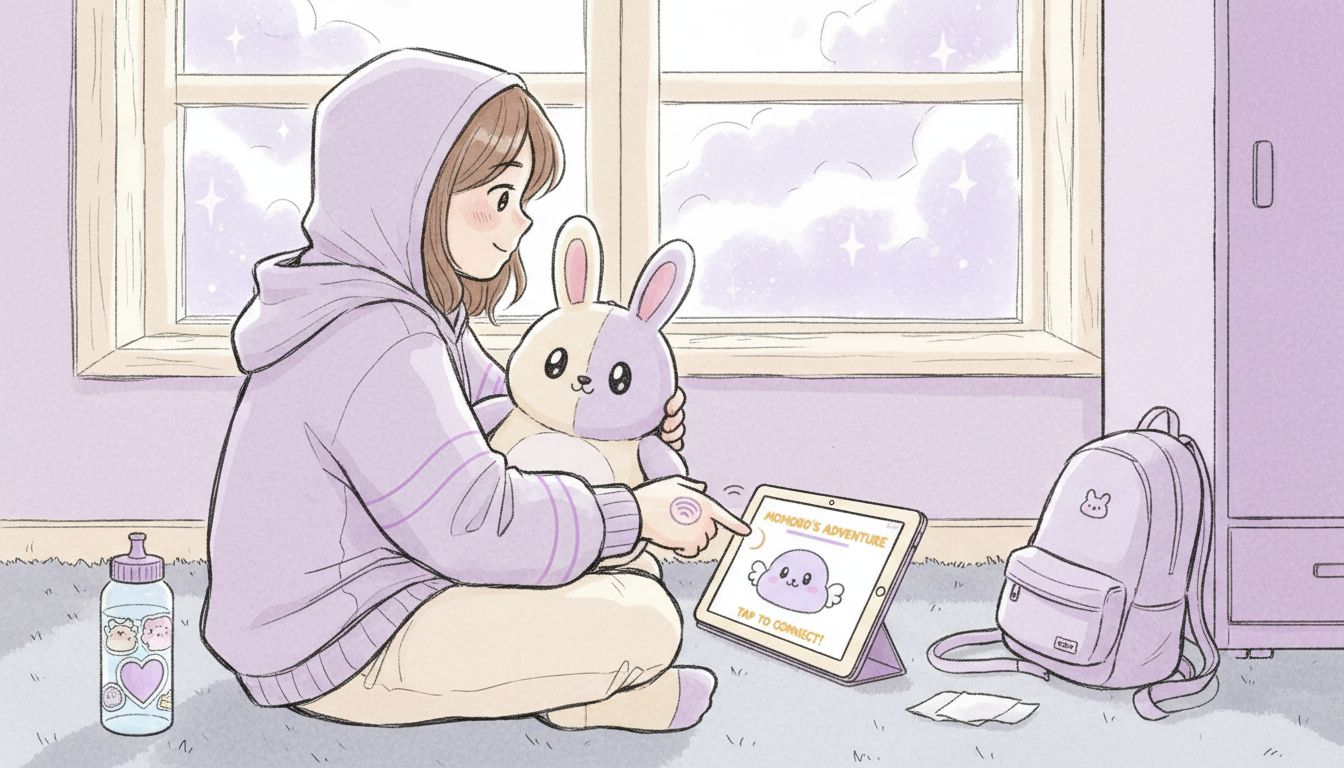
Tech-enabled plushies leverage sophisticated technologies to create multisensory experiences tailored for neurodivergent children. Embedded sensors can track physiological markers like heart rate and stress levels, providing real-time emotional regulation support. Some interactive plushies feature gentle vibration patterns, calming sound frequencies, and adaptive lighting that responds to a child’s emotional state, helping them develop self-regulation skills and manage sensory overwhelm.
The most innovative tech-enabled plushies incorporate digital connectivity that extends their therapeutic potential. NFC-enabled plush toys can unlock digital content, provide guided breathing exercises, and offer personalised coping strategies. These smart companions create a holistic support system that combines physical comfort with digital mental health resources, empowering children with ADHD to develop emotional intelligence and self-management skills in a playful, engaging manner.
Expert Tip: Choose tech-enabled plushies with multiple interactive features that can be gradually introduced, allowing children to build comfort and trust with their therapeutic companion.
UK Safety, Quality, and Accessibility Standards
The United Kingdom maintains rigorous national minimum standards to ensure the safety and wellbeing of children, particularly when it comes to therapeutic products like plush collectibles. These comprehensive guidelines specifically address material composition, manufacturing processes, and design considerations that protect vulnerable children, especially those with neurodevelopmental conditions like ADHD.
British safety regulations encompass multiple critical aspects of plush collectible design. Manufacturers must comply with strict material safety protocols, ensuring hypoallergenic fabrics, non-toxic dyes, and robust construction that prevents potential choking hazards. Accessibility standards require thoughtful design elements like soft textures, ergonomic shapes, and sensory-friendly features that accommodate children with diverse neurological profiles.
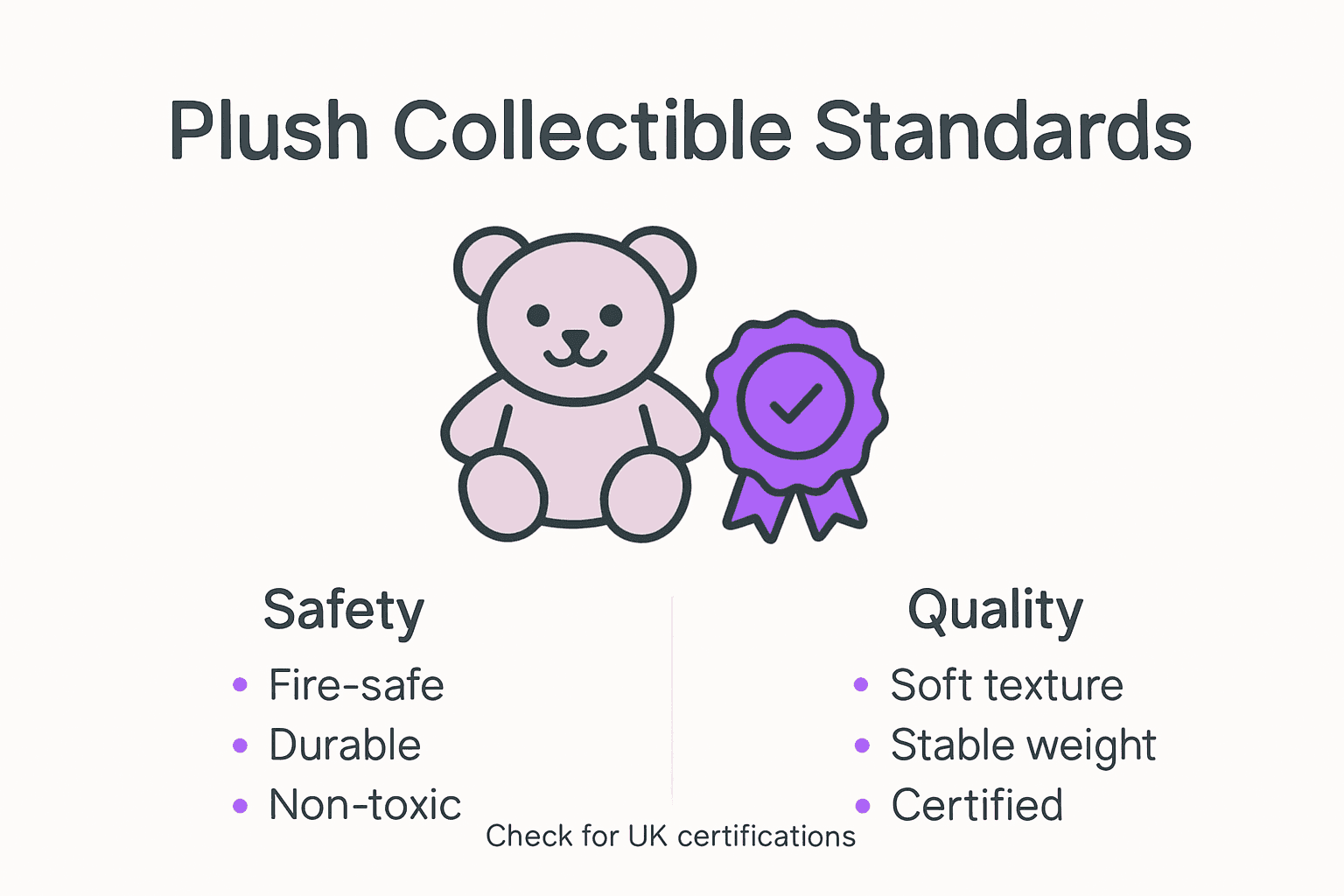
The NHS Safeguarding Framework plays a crucial role in establishing quality benchmarks for therapeutic products. Beyond physical safety, these standards evaluate the psychological impact of collectible plushies, emphasising their potential to support emotional regulation, provide comfort, and contribute positively to a child’s mental wellbeing. Comprehensive testing protocols assess everything from fabric durability to the potential therapeutic benefits of interactive features.
Here is a quick reference to core UK safety and quality standards for therapeutic plush collectibles:
| Safety Aspect | British Standard Focus | Importance for ADHD Children |
|---|---|---|
| Material safety | Hypoallergenic, non-toxic | Prevents allergic reactions |
| Structural durability | Robust seams and construction | Avoids choking hazards |
| Sensory accessibility | Soft textures, ergonomic shapes | Promotes comfort and security |
| Psychological impact | Emotional support assessed | Facilitates emotional regulation |
Expert Tip: Always verify that plush collectibles carry official UK safety certifications and have undergone comprehensive testing for material safety and design appropriateness.
Practical Tips for Parents Choosing Plush Toys
Parents navigating plush toy selection for children with ADHD must carefully consider sensory characteristics and therapeutic potential, understanding that these aren’t just toys but potential emotional regulation tools. The right plush companion can offer significant comfort and support for neurodivergent children, transforming a simple collectible into a powerful coping mechanism.
Key selection criteria involve assessing multiple sensory dimensions. Look for plush toys with varied textures, appropriate weight distribution, and soft materials that provide deep pressure stimulation. Some children might prefer smoother fabrics, while others benefit from more textured surfaces. Consider the plush’s size, ensuring it’s manageable for your child – not too large to be overwhelming, nor too small to feel insignificant.
Emotional resonance matters tremendously when choosing therapeutic plush companions. Observe your child’s reaction during initial interactions. Some children connect with specific character designs, facial expressions, or colour schemes that feel emotionally safe. Interactive features like gentle sounds, subtle movements, or NFC-enabled digital connections can enhance engagement, making the plush toy more than just a passive comfort object.
Expert Tip: Involve your child in the selection process, allowing them to touch, interact with, and choose a plush toy that genuinely speaks to their sensory and emotional needs.
Discover Calm Through Interactive Plush Companions
Children with ADHD often need more than traditional toys to find comfort and manage sensory overwhelm. This article highlights challenges including the need for soft textures, consistent calming designs, and sensory regulation features. At MOMORO & Friends, we understand these unique needs and blend thoughtful craftsmanship with innovative technology to support emotional wellbeing in children.
Experience the world’s first interactive collectible plush specifically created for ADHD and anxiety relief. Each NFC-enabled plush from Shop Japanese-Inspired Plush Toys for ADHD & Anxiety – MOMORO & Friends unlocks monthly digital gifts designed to ease stress and nurture creativity. Our limited edition drops of only 5,000 units ensure each companion feels truly special and emotionally safe.
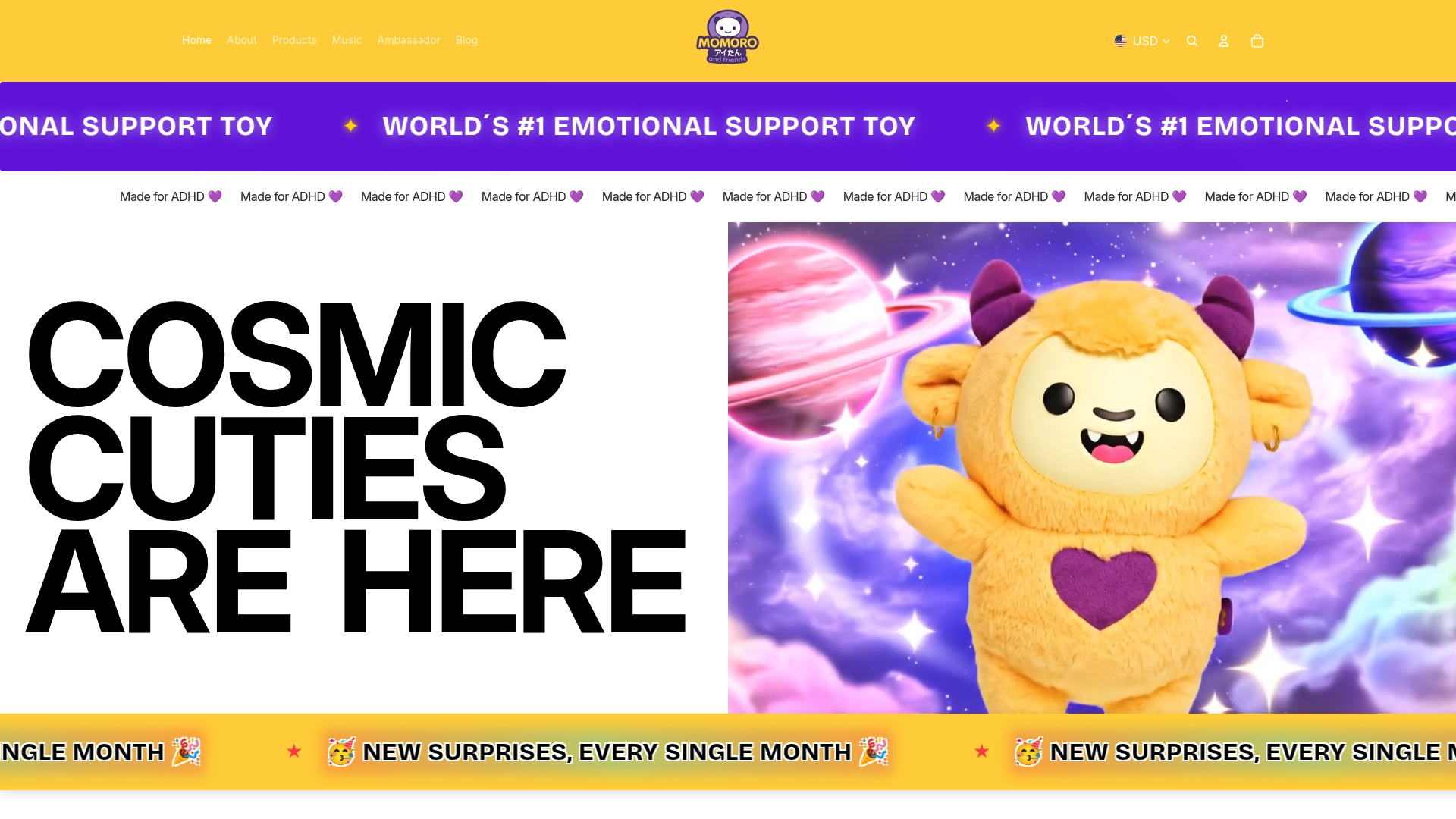
Explore how comfort and tech unite at MOMORO & FRIENDS. Give your child a plush companion that not only soothes but also inspires emotional regulation and imaginative play. Don’t wait to provide this unique calming support. Visit Shop Japanese-Inspired Plush Toys for ADHD & Anxiety – MOMORO & Friends and find the perfect plush collectible today.
Frequently Asked Questions
What makes plush collectibles beneficial for children with ADHD?
Plush collectibles are designed with unique sensory features that provide emotional support and comfort, helping children with ADHD manage anxiety and improve focus.
How do I choose the right plush collectible for my child with ADHD?
When selecting a plush collectible, consider sensory characteristics such as texture, weight, and emotional resonance. Involve your child in the selection process to ensure the plush toy meets their specific sensory and emotional needs.
What types of sensory features should I look for in calming plush collectibles?
Look for characteristics like weighted plush toys for deep pressure stimulation, textured surfaces for tactile exploration, and interactive features like gentle sounds or vibrations that promote self-regulation.
Are there safety standards for plush collectibles designed for children with ADHD?
Yes, the UK has rigorous safety standards that encompass material safety, structural durability, and psychological impact, ensuring that plush collectibles are safe and beneficial for children, particularly those with neurodevelopmental conditions.