

Over half of British families report that emotional support plushies have become essential in their daily routines. These comforting companions are not just toys but vital tools for managing stress, anxiety, and sensory needs. As more British individuals search for ways to nurture emotional wellbeing, understanding the impact and evolution of emotional support plushies can make a real difference in finding meaningful comfort and support.
Table of Contents
- Defining Emotional Support Plush And Their Role
- Key Features Of Interactive Plush Toys
- Types And Variations For Anxiety And ADHD
- Real-World Applications In Mental Calm
- Comparing Plush With Traditional Support Options
Key Takeaways
| Point | Details |
|---|---|
| Emotional Support Plushies Provide Therapeutic Benefits | Designed to alleviate anxiety and stress, these plushies help individuals manage emotional challenges through comfort and sensory relief. |
| Interactive Plush Toys Enhance Emotional Regulation | Equipped with technology, these toys offer personalised support and real-time feedback, improving emotional management for users. |
| Diverse Variations Address Specific Needs | Different types of plushies cater to unique sensory preferences and therapeutic requirements, allowing individuals to find their ideal comfort companion. |
| Transformative Role in Mental Health | Emotional support plushies serve as accessible, non-invasive tools that complement traditional therapies by fostering self-regulation and emotional stability. |
Defining Emotional Support Plush and Their Role
Emotional support plushies are specialised soft toys designed to provide comfort, emotional regulation, and sensory relief for individuals experiencing anxiety, stress, or neurodevelopmental conditions like ADHD. Unlike traditional stuffed animals, these purposeful companions are crafted to offer therapeutic benefits through intentional design and interactive features.
Research demonstrates that emotional support plushies function as powerful transitional objects, helping individuals manage emotional challenges by triggering physiological responses of comfort and calm. When individuals interact with these plush companions, their bodies release oxytocin - a hormone associated with trust, bonding, and emotional stability. This neurochemical response can significantly reduce anxiety symptoms and provide a sense of immediate emotional grounding.
These specialised plushies often incorporate specific design elements to enhance their therapeutic potential. Key features might include:
- Soft, textured surfaces for sensory stimulation
- Weighted components for deep pressure therapy
- Compact sizes for portability and discrete comfort
- Customisable characteristics matching individual preferences
Pro Tip for Selecting Support Plush: Choose a plush companion that resonates with your personal sensory needs and emotional comfort, prioritising texture, weight, and design that feels genuinely soothing to you.
The role of emotional support plushies extends beyond mere comfort - they represent a tangible, accessible tool for emotional self-regulation. By providing a consistent, non-judgmental source of comfort, these plush companions can help individuals develop healthier emotional coping mechanisms and create a sense of security in challenging moments.
Key Features of Interactive Plush Toys
Interactive plush toys represent a sophisticated approach to emotional support, integrating advanced design features that go beyond traditional comfort objects. These specialised companions are engineered with precise technological and sensory elements to provide targeted emotional regulation and support for individuals with ADHD and anxiety.
A key innovation in these interactive plush toys is their ability to offer multisensory experiences that enhance calm and focus. These toys often incorporate sophisticated design elements that stimulate different sensory pathways, helping individuals manage emotional responses more effectively. The interactive nature means these plushies are not just passive objects, but dynamic tools for emotional management.
Critical features of interactive plush toys typically include:
- Embedded Technology: NFC chips or smart sensors that enable digital interactions
- Texture Variation: Multiple fabric textures to support sensory stimulation
- Pressure Mapping: Strategically designed weighted zones for deep pressure therapy
- Customisable Responses: Programmable interactions that adapt to individual user needs
- Compact Design: Portable sizes allowing discreet emotional support
Interactive plush toys also distinguish themselves through their adaptability. Unlike traditional comfort objects, these advanced companions can provide real-time feedback, track emotional states, and offer personalised comfort strategies. The integration of technology transforms them from simple soft toys into intelligent emotional support systems.
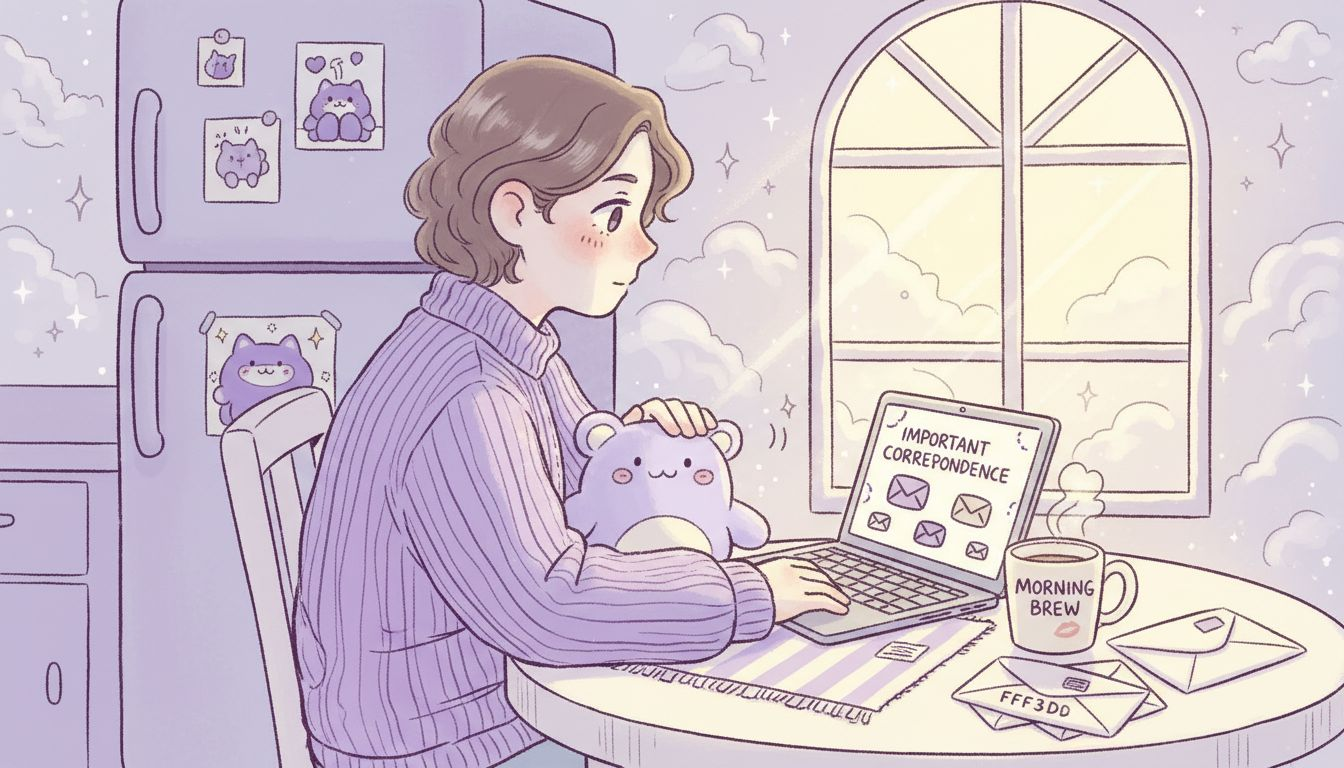
Pro Tip for Interactive Plush Selection: Choose an interactive plush that resonates with your specific sensory preferences and emotional needs, ensuring the technological features genuinely enhance your comfort experience.
The evolution of interactive plush toys represents a significant breakthrough in emotional support technology, offering a nuanced, personalised approach to managing anxiety and neurodevelopmental challenges.
Types and Variations for Anxiety and ADHD
Emotional support plushies for anxiety and ADHD encompass a diverse range of designs, each tailored to address specific sensory and emotional needs. These specialised companions are not one-size-fits-all solutions, but rather nuanced tools designed to provide targeted comfort and support for individuals navigating neurodevelopmental challenges.
The landscape of support plushies includes multiple variations, with sensory toys offering critical stress reduction and focus enhancement. Different types cater to unique preferences and therapeutic requirements, including:
- Weighted Plushies: Provide deep pressure stimulation
- Fidget Plushies: Incorporate interactive elements like hidden zippers, textured patches, or movable components
- Soft Texture Variants: Multiple fabric types for sensory exploration
- Digital Interactive Plushies: Embedded technology for personalised emotional tracking
- Compact Pocket Companions: Smaller designs for discreet comfort
These plush variations are particularly effective because they support stress management through physical and sensory engagement. Each design addresses different aspects of emotional regulation, allowing individuals to find a companion that resonates with their specific sensory needs and comfort preferences.
Here is a summary comparing key emotional support plush types based on their primary use and unique strengths:
| Plush Type | Ideal For | Distinct Strength |
|---|---|---|
| Weighted Plush | Calming deep pressure needs | Soothes anxiety quickly |
| Fidget Plush | Restlessness and focus issues | Supports active engagement |
| Digital Interactive Plush | Custom tracking and adaptation | Personalised feedback loops |
| Pocket Companion | On-the-go comfort | Convenient portability |
| Soft Texture Variant | Gentle sensory seekers | Provides subtle stimulation |
Interestingly, blind box collectible plushies have emerged as a particularly engaging variation, offering an element of surprise and collection that can be inherently calming for individuals with ADHD. The anticipation and ritual of unboxing can provide a structured, predictable moment of joy and excitement.
Pro Tip for Plush Selection: Experiment with different plush types to discover which sensory features provide the most genuine comfort and emotional support for your individual needs.
Ultimately, the world of emotional support plushies continues to evolve, offering increasingly sophisticated and personalised approaches to managing anxiety and supporting neurodivergent individuals.
Real-World Applications in Mental Calm
Emotional support plushies have transcended their traditional role as mere comfort objects, emerging as sophisticated therapeutic tools with tangible real-world applications for managing mental health and neurodevelopmental challenges. These innovative companions offer strategic interventions across various environments, from classrooms to professional settings.
Fidget toys and support plushies can help children channel excess energy and improve concentration, providing critical support for individuals with ADHD, autism, and anxiety. Their applications extend far beyond simple distraction, functioning as nuanced self-regulation mechanisms that enable more balanced emotional experiences.
Specific real-world applications include:
- Classroom Focus: Supporting students with attention regulation
- Workplace Stress Management: Providing discreet emotional grounding
- Therapy Support: Complementing cognitive behavioural strategies
- Social Interaction Assistance: Creating comfort in challenging social scenarios
- Sleep Routine Enhancement: Offering predictable sensory comfort
Interestingly, tactile stimulation tools provide comprehensive support for emotional regulation, improving not just emotional states but also fine motor skills and hand-eye coordination. These plushies represent a holistic approach to managing neurodevelopmental challenges.
Pro Tip for Mental Calm Integration: Introduce emotional support plushies gradually, observing how they interact with individual stress responses and emotional patterns.
Ultimately, emotional support plushies are transforming from passive comfort objects to active, intelligent companions in mental health management, offering personalised, adaptive support across diverse life scenarios.
Comparing Plush with Traditional Support Options
Traditional anxiety and ADHD support methods have long relied on clinical interventions, medication, and cognitive behavioural strategies. However, emotional support plushies represent an innovative, holistic approach that challenges these conventional therapeutic frameworks, offering a more personalised and accessible form of emotional regulation.
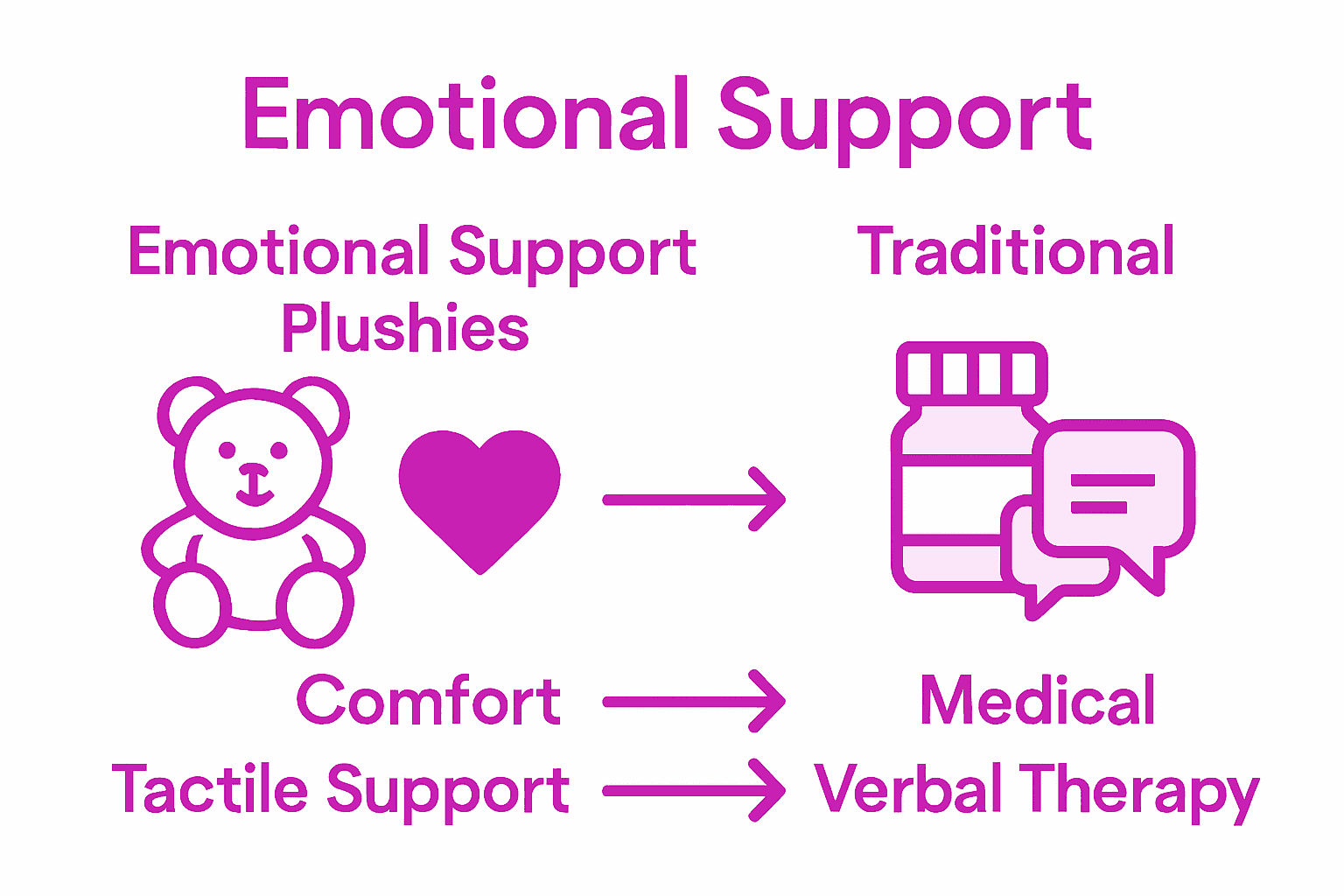
Advanced emotional support technologies demonstrate remarkable potential for supporting cognitive and emotional processes, with interactive plushies emerging as sophisticated alternatives to traditional therapeutic tools. Unlike static medical interventions, these plush companions provide dynamic, adaptable support that can be integrated seamlessly into daily life.
Key differences between emotional support plushies and traditional support options include:
- Accessibility: Always available, no appointment needed
- Cost-Effectiveness: One-time investment versus ongoing therapy expenses
- Continuous Support: 24/7 emotional companionship
- Low-Barrier Entry: No medical referral required
- Sensory Engagement: Immediate tactile comfort
Traditional support methods like therapy and medication focus on symptom management through external intervention, whereas emotional support plushies empower individuals to develop self-regulation skills through immediate, intuitive interaction. They offer a non-invasive, stigma-free approach to managing neurodevelopmental challenges.
To better understand the benefits, here is a comparison of emotional support plush versus traditional therapeutic support:
| Aspect | Emotional Support Plush | Traditional Therapeutic Support |
|---|---|---|
| Accessibility | Immediate, at any time | Requires scheduling or waiting |
| Personalisation | Custom fit to user preferences | Generic or formalised approach |
| Cost Over Time | One-time or infrequent purchase | Ongoing treatment expenses |
| Social Stigma | Minimal, discreet use | Potentially higher, public setting |
| Sensory Engagement | Direct tactile stimulation | Typically not tactile |
Pro Tip for Support Transition: Integrate emotional support plushies gradually alongside existing therapeutic strategies, using them as complementary tools rather than complete replacements.
The evolution of emotional support technologies signals a promising shift towards more personalised, user-centered mental health solutions that prioritise individual comfort and autonomy.
Discover Comfort and Calm with MOMORO & FRIENDS Interactive Plush Toys
Managing anxiety and ADHD requires tools that offer personalised emotional support and real tactile comfort. The article highlights key challenges such as the need for sensory regulation, emotional grounding, and stress relief through interactive and weighted plush companions. MOMORO & FRIENDS embrace these exact needs by blending technology and comfort into an innovative collectible plush experience designed to ease anxiety and improve focus
Explore the unique benefits of Shop Japanese-Inspired Plush Toys for ADHD & Anxiety – MOMORO & Friends where each NFC-enabled plush unlocks calming digital gifts that provide ongoing emotional support. Act now to join the exclusive community limited to 5,000 units per drop and introduce a comforting companion that adapts to your personal needs. Make every moment calmer and more centred by visiting https://momoro.store today and discover how emotional support plushies can transform your daily routine.
Frequently Asked Questions
What are emotional support plushies?
Emotional support plushies are specialised soft toys designed to provide comfort and emotional regulation for individuals experiencing anxiety, stress, or neurodevelopmental conditions like ADHD. They are crafted with intentional features for therapeutic benefits.
How do emotional support plushies help with anxiety and ADHD?
These plushies function as transitional objects, triggering physiological responses of comfort in the brain, which can reduce anxiety symptoms. They offer a tangible tool for emotional self-regulation, promoting healthier coping mechanisms.
What features should I look for in an emotional support plush?
When selecting an emotional support plush, consider features like texture, weight, and design that resonate with your sensory needs. Look for plushies with soft surfaces, weighted components, or customisable characteristics for personalised comfort.
How do interactive plush toys differ from traditional plushies?
Interactive plush toys integrate advanced design elements like embedded technology and customisable responses, providing real-time feedback and personalised emotional support. They go beyond traditional plushies by offering multisensory experiences and dynamic emotional management tools.