

Many british families are discovering just how powerful multisensory plush toys can be, especially for children who need more than a typical stuffed animal. Studies show that up to 50 percent of children with sensory processing challenges respond positively to tools that engage multiple senses. These innovative plush creations blend tactile, auditory, and visual experiences to deliver comfort that goes beyond tradition. Get to know why this new generation of therapeutic and collectible plush is changing the way people think about sensory support and emotional well-being.
Table of Contents
- Defining Multisensory Plush and Its Origins
- Types of Multisensory Plush and Key Variations
- How Multisensory Plush Supports Well-being
- Technology and Interactivity in Collectible Plush
- Comparing Multisensory Plush with Other Comfort Tools
Key Takeaways
| Point | Details |
|---|---|
| Multisensory Plush Definition | These specialised toys integrate various sensory experiences for holistic user interaction, initially conceptualised by Renate Müller in the 1960s. |
| Therapeutic Applications | Multisensory plush toys serve as therapeutic tools for emotional regulation, particularly beneficial for individuals with neurodevelopmental conditions. |
| Technological Innovations | Advances in technology, such as NFC and machine learning, are enhancing the interactive capacity of plush toys, making them dynamic emotional companions. |
| Comparative Advantage | Unlike traditional comfort tools, multisensory plush toys engage multiple sensory pathways, offering a more comprehensive approach to emotional and sensory support. |
Defining Multisensory Plush and Its Origins
Multisensory plush toys represent a fascinating intersection of design, therapy, and sensory engagement. At their core, these specialised toys integrate multiple sensory experiences to create a holistic interaction for users. Renate Müller, a pioneering German designer, first introduced the concept of therapeutic multisensory plush in the 1960s, crafting innovative toys that went beyond traditional play experiences.
The evolution of these plush companions stems from understanding how different textures, temperatures, and interactive elements can profoundly impact sensory processing. Interactive children’s products began demonstrating that engagement is not just about visual stimulation, but about creating a rich, immersive experience that connects with multiple sensory pathways. This approach became particularly significant for individuals with neurodevelopmental conditions like ADHD and anxiety, who often benefit from targeted sensory input.
Key characteristics of multisensory plush typically include:
- Varied texture combinations
- Integrated weight elements
- Soft, comforting materials
- Potential temperature regulation features
- Subtle sound or vibration capabilities
By blending therapeutic design principles with playful aesthetics, multisensory plush represents more than just a toy. They are carefully crafted tools for emotional regulation, sensory exploration, and personal comfort.
Types of Multisensory Plush and Key Variations
Multisensory plush toys represent a diverse ecosystem of sensory experiences, each designed to engage specific neurological pathways and support individual needs. Multisensory educational toys demonstrate remarkable complexity, incorporating visual, auditory, and tactile elements that transform simple play into profound developmental interactions.
Key variations of multisensory plush can be categorised into several distinct types:
- Developmental Plush: Designed for infant and child sensory stimulation
- Therapeutic Plush: Created specifically for emotional regulation
- Weighted Comfort Plush: Offering deep pressure simulation
- Interactive Digital Plush: Integrating technology with tactile experiences
- Specialised Neurodivergent Plush: Tailored for specific sensory processing needs
Specifically, sensory integration plush like Bandana Buddies showcase how these toys can combine multiple sensory elements. These sophisticated companions might include textured patches, embedded sound mechanisms, varying fabric temperatures, and strategic weight distributions to provide comprehensive sensory feedback. Such intentional design transforms these plush from mere toys into powerful therapeutic tools that support cognitive development and emotional well-being.
Interestingly, modern multisensory plush are increasingly moving beyond traditional therapeutic applications. Japanese plush collectibles are pioneering innovative approaches that blend cultural design aesthetics with advanced sensory integration techniques, creating a new generation of emotionally intelligent companion objects.
How Multisensory Plush Supports Well-being
Multisensory plush have emerged as powerful therapeutic tools that extend far beyond traditional play experiences, offering profound support for emotional and neurological well-being. AI-powered plush robots demonstrate remarkable potential in providing predictable, engaging interactions that can significantly improve emotional regulation for individuals with diverse neurological profiles.
The core therapeutic mechanisms of multisensory plush centre on several key psychological and physiological principles:
- Providing consistent, safe tactile stimulation
- Offering predictable sensory feedback
- Creating a sense of emotional containment
- Reducing anxiety through controlled sensory input
- Facilitating emotional self-regulation
Multisensory interactions engage multiple sensory pathways simultaneously, which can help individuals process complex emotional experiences more effectively. These plush companions utilise subtle design elements like varied textures, strategic weight distribution, and integrated temperature-responsive materials to create a holistic sensory experience that can calm overactive nervous systems and provide a sense of security.

Interestingly, the therapeutic potential of these plush extends beyond traditional medical interventions. Body scan meditation techniques complement the sensory regulation offered by multisensory plush, creating a comprehensive approach to emotional well-being that empowers individuals to develop more robust self-regulation skills. By bridging technology, design, and psychological understanding, these innovative plush toys represent a new frontier in supportive, compassionate care.
Technology and Interactivity in Collectible Plush
The convergence of technology and emotional support has transformed collectible plush toys into sophisticated interactive companions. Multisensory object-centric embodied models are revolutionising how these seemingly simple toys can provide complex sensory and emotional interactions, bridging the gap between traditional comfort objects and advanced technological experiences.
Key technological innovations in interactive plush include:
- NFC-enabled digital interactions
- Embedded sensory feedback mechanisms
- Machine learning-powered responsive behaviours
- Adaptive emotional recognition systems
- Personalised digital companion experiences
Neurorobotic experiments demonstrate how advanced technologies can resolve complex sensory interactions, enabling plush toys to offer nuanced, context-aware support. These innovations transform collectible plush from passive objects into dynamic, responsive companions that can adapt to individual emotional needs and provide targeted sensory regulation.
Interestingly, Japanese-inspired plush collections are at the forefront of this technological revolution, blending cultural design aesthetics with cutting-edge interactive technologies. By integrating digital connectivity, sensory engineering, and emotional intelligence, these next-generation plush toys are redefining what it means to be a truly supportive, technologically advanced companion.
Comparing Multisensory Plush with Other Comfort Tools
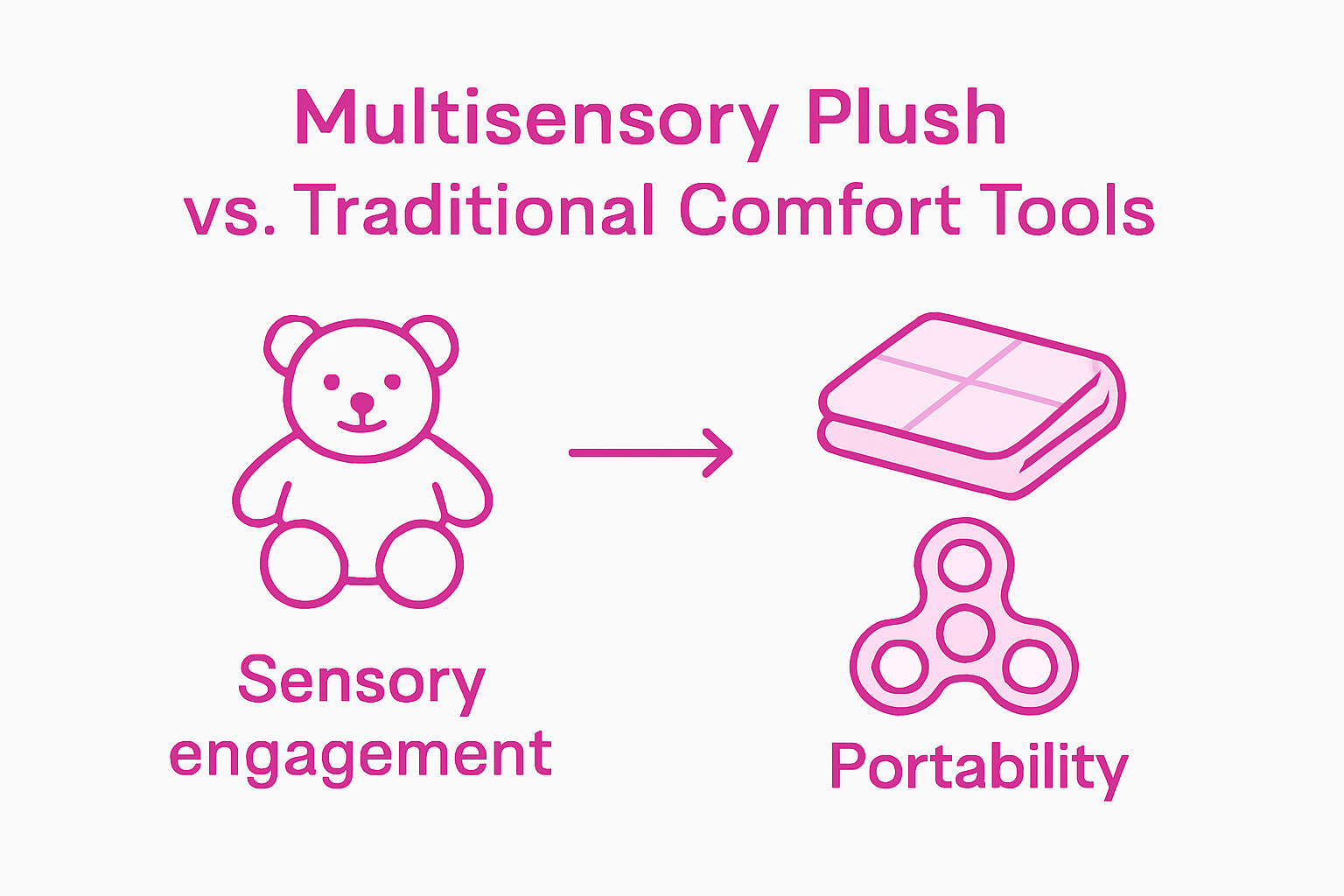
Multisensory integration principles reveal why multisensory plush toys represent a significant advancement over traditional comfort tools. Unlike single-sensory interventions, these innovative companions engage multiple neurological pathways simultaneously, offering a more comprehensive approach to emotional regulation and sensory support.
Comparative analysis of comfort tools demonstrates key distinctions:
- Weighted Blankets: Provide deep pressure, limited sensory engagement
- Stress Balls: Single tactile stimulation
- Fidget Toys: Repetitive motor interaction
- Multisensory Plush: Holistic, adaptive sensory experience
- Traditional Stuffed Animals: Passive emotional comfort
Interactive children’s books provide an interesting parallel, showing how sensory engagement can transform passive objects into dynamic experiences. Multisensory plush take this concept further by incorporating advanced technological features like adaptive responses, digital connectivity, and personalised emotional support mechanisms that traditional comfort tools cannot match.
Interestingly, our Space Cuties collection represents the pinnacle of this evolution, offering not just sensory regulation but a complete emotional support ecosystem. These plush companions bridge the gap between technological innovation and emotional intelligence, providing users with a uniquely responsive and comforting experience that traditional tools simply cannot replicate.
Discover the Power of Multisensory Plush to Calm ADHD and Anxiety
If you are seeking a plush companion that goes beyond traditional toys to support emotional regulation and sensory needs, explore the innovative collection at Shop Japanese-Inspired Plush Toys for ADHD & Anxiety – MOMORO & Friends. MOMORO & FRIENDS perfectly embody the therapeutic principles of varied textures, weighted elements, and technological interactivity described in the article. They are designed to offer consistent, predictable sensory feedback that eases stress and cultivates calm.
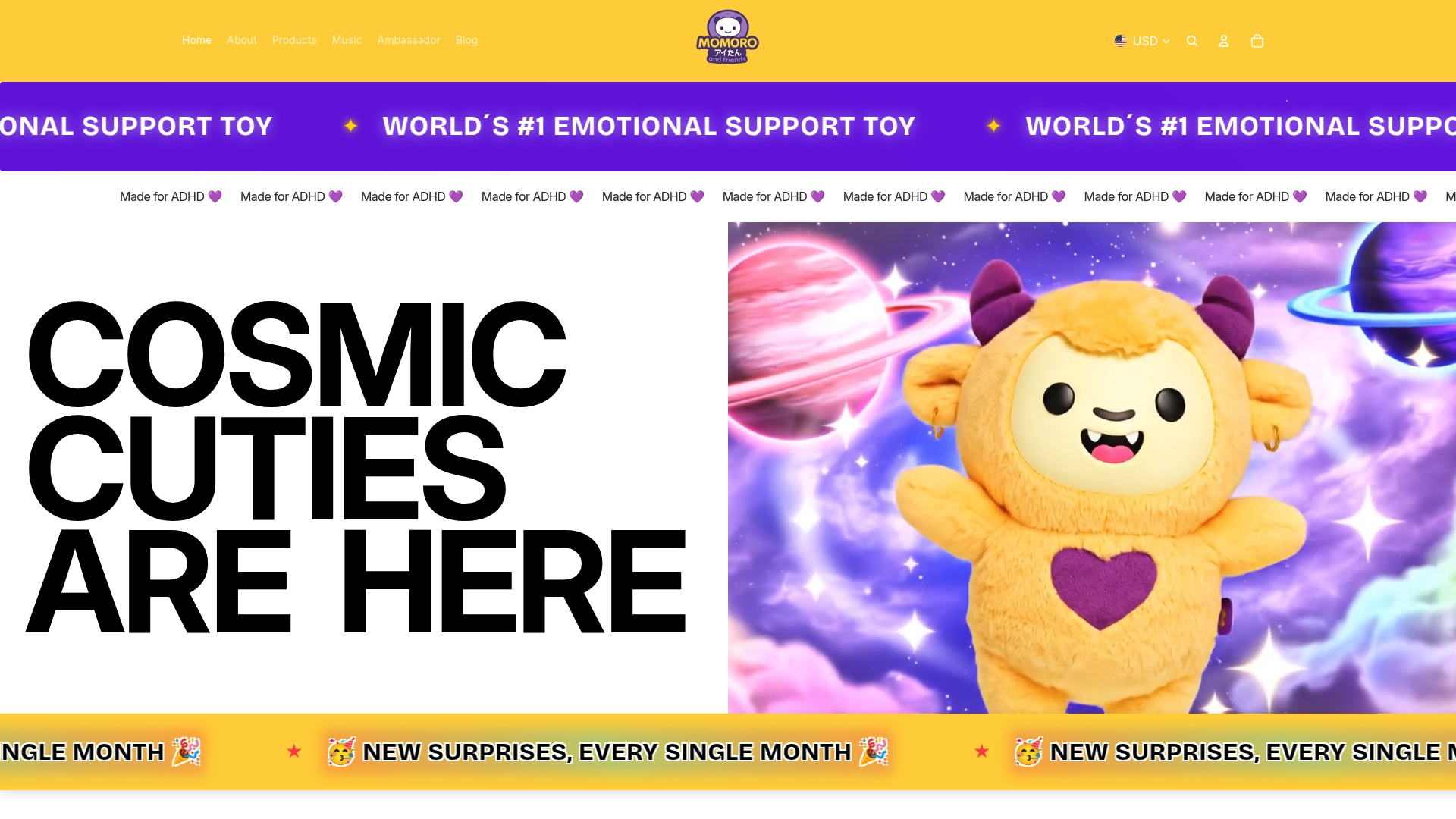
Experience how the world’s first NFC-enabled interactive collectible plush blends comfort and creativity with heartfelt technology. Each limited edition blind box unlocks monthly digital gifts tailored to lift moods and support emotional self-regulation effectively. Begin your journey towards enhanced well-being today by visiting https://momoro.store and find your perfect multisensory plush match that resonates with your unique sensory profile.
Frequently Asked Questions
What are multisensory plush toys?
Multisensory plush toys are specially designed toys that integrate multiple sensory experiences such as touch, sound, and temperature to support emotional regulation and sensory exploration.
How do multisensory plush support individuals with ADHD and anxiety?
These plush toys provide consistent tactile stimulation and sensory feedback, which can help reduce anxiety, create a sense of emotional containment, and facilitate emotional self-regulation for individuals with ADHD and anxiety.
What are the key features of therapeutic multisensory plush?
Key features often include varied textures, integrated weight elements, soft materials, temperature regulation capabilities, and subtle sound or vibration features, all aimed at enhancing sensory engagement and well-being.
How do multisensory plush toys compare with traditional comfort tools?
Unlike traditional comfort tools such as weighted blankets or fidget toys, multisensory plush offer a holistic, adaptive sensory experience by engaging multiple sensory pathways, providing a more comprehensive approach to emotional and sensory support.
Recommended
- Effective Body Scan Meditation to Reduce Anxiety and stress – MOMORO & Friends
- S1 Space Cuties KUTI Launch Edition Plush Toy 20% Off – MOMORO & Friends
- Shop Japanese-Inspired Plush Toys for ADHD & Anxiety – MOMORO & Friends
- MOMORO – World’s #1 Emotional Support Plush Toy with NFC Gifts – MOMORO & Friends
- What Is a Lovey and How It Comforts Babies