

More than 45 percent of British young adults with ADHD say plush collectibles help ease their anxiety and create emotional stability. Plushie culture is thriving in the UK, offering a safe space where comfort and creativity meet through cherished soft toys. Exploring this culture reveals how interactive plushies and shared communities become anchors for people seeking relief from stress, emotional connection, and a deeper sense of belonging.
Table of Contents
- What Plushie Culture Means and Involves
- Different Plushie Types and Their Appeal
- Emotional Comfort and Anxiety Support
- Interactive Collectibles and Digital Trends
- Navigating Safety, Care and Social Acceptance
Key Takeaways
| Point | Details |
|---|---|
| Emotional Connection | Plushies serve as emotional anchors, providing comfort and stability, particularly for neurodivergent individuals managing anxiety or ADHD. |
| Community Engagement | Plushie culture fosters connections through online platforms and collector events, transforming a solitary hobby into a vibrant community. |
| Diverse Collectible Types | The variety of plushie types includes vintage, licensed characters, and interactive options, each catering to different emotional and aesthetic needs. |
| Therapeutic Value | Plushies are increasingly recognised as therapeutic tools, providing emotional support and aiding in anxiety management across various age groups. |
What Plushie Culture Means and Involves
Plushie culture represents far more than just collecting soft toys - it’s a complex social and emotional phenomenon that offers profound comfort and connection for people across generations. Unique emotional landscapes emerge through these cuddly companions, providing psychological support and creative self-expression.
At its core, plushie culture involves collecting, customising, and cherishing soft toys that serve multiple purposes beyond traditional playthings. These plush friends become emotional anchors, offering stability and sensory comfort particularly for neurodivergent individuals managing anxiety or ADHD. Collectors often view their plushies not just as objects, but as meaningful companions that represent personal narratives, memories, and inner emotional worlds.
The community aspect of plushie culture is equally significant. Enthusiasts connect through online forums, social media groups, and collector events, sharing rare finds, trading limited editions, and celebrating unique plush designs. This social network transforms plush collecting from a solitary hobby into a vibrant, interactive subculture that provides belonging and shared passion. Plush toys transcend generational boundaries, serving as therapeutic tools, nostalgic keepsakes, and creative outlets for people of all ages.
Pro tip: Start your plushie collection by choosing characters or designs that genuinely resonate with your emotional landscape, not just what’s trendy.
Different Plushie Types and Their Appeal
Plushie types have dramatically expanded beyond traditional teddy bears, now representing complex emotional and cultural symbols. Collectible plush culture has transformed soft toys into sophisticated lifestyle accessories that reflect personal identity and social connections. These diverse plush categories range from nostalgic vintage designs to contemporary limited-edition releases that capture the imagination of collectors worldwide.
The primary plushie categories include vintage classics, licensed character plushies, designer collectibles, and interactive or customisable options. Vintage plushies evoke deep emotional nostalgia, while licensed character plushies connect fans directly to pop culture narratives. Designer collectibles often feature unique artistic interpretations, appealing to those seeking rare and distinctive pieces. Interactive plush varieties have emerged as particularly compelling for neurodivergent individuals, offering sensory engagement and emotional regulation through customisable features.
Modern plushie collections increasingly represent more than mere objects - they are emotional companions that provide comfort, spark joy, and create meaningful connections. Collectors curate their plushies with intention, selecting pieces that resonate with personal experiences, aesthetic preferences, and emotional needs. Some enthusiasts focus on specific themes like anime characters, mythical creatures, or minimalist design aesthetics, transforming plush collecting into a nuanced form of self-expression.
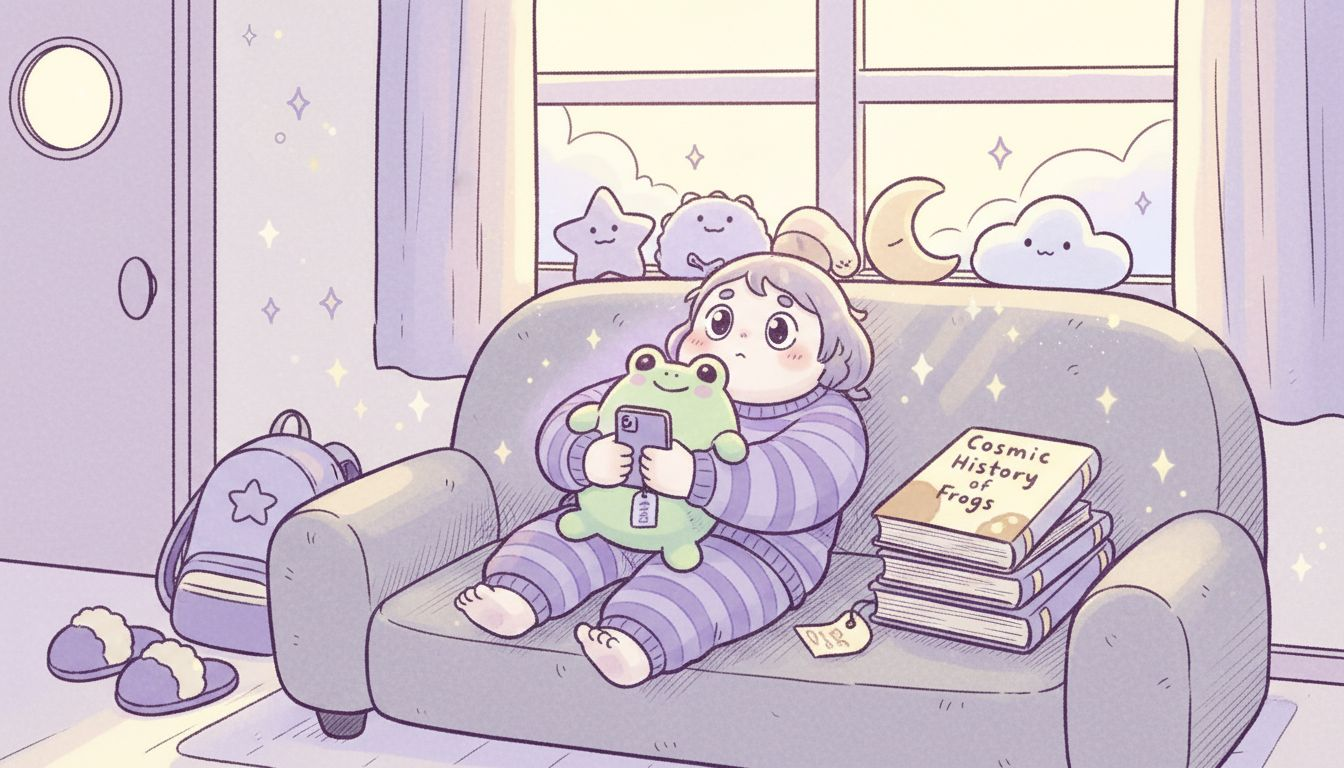
Here’s a summary of major plushie types and their unique appeal:
| Plushie Type | Defining Feature | Main Appeal | Common Collectors |
|---|---|---|---|
| Vintage Classics | Historical design | Evokes nostalgia and comfort | Adults, vintage fans |
| Licensed Characters | Pop culture branding | Connects to media franchises | Pop culture enthusiasts |
| Designer Collectibles | Artistic interpretation | Rare and visually unique | Art collectors, trendsetters |
| Interactive Plushies | Sensory/digital technology | Supports emotional regulation | Neurodivergent individuals |
| Customisable Options | Personalised features | Self-expression and creativity | Creative hobbyists |
Pro tip: When starting your plushie collection, prioritise pieces that genuinely spark emotional connection over trendy or expensive options.
Emotional Comfort and Anxiety Support
Plushies have emerged as powerful therapeutic tools for managing anxiety and providing emotional support, particularly for individuals with ADHD. Emotional comfort through tactile interaction allows people to regulate their emotional states through the simple act of holding, squeezing, or cuddling a soft companion. The sensory experience of interacting with a plushie can create an immediate calming effect, helping to ground racing thoughts and reduce overwhelming emotional responses.
During challenging periods, such as the global pandemic, plushies have proven to be more than just simple toys. Mental health support during isolation demonstrates how these soft companions can provide critical emotional anchoring when traditional support systems are disrupted. For neurodivergent individuals, particularly those with ADHD, plushies offer a consistent, non-judgmental source of comfort that can be accessed instantly, helping to manage sensory overwhelm and emotional dysregulation.
The therapeutic potential of plushies extends beyond mere physical comfort. They serve as emotional regulation tools, providing a tangible focus for anxiety and helping individuals create a sense of safety and predictability. Some people find specific textures or characteristics in plushies that trigger a neurological calming response, making them invaluable for managing stress, reducing panic attacks, and creating a sense of emotional stability. The act of curating a collection of plushies can itself become a meaningful coping mechanism, offering control and personal expression during challenging times.
Pro tip: Select plushies with textures and features that specifically soothe your unique sensory needs, creating a personalised emotional support toolkit.
Interactive Collectibles and Digital Trends
The world of plush collectibles is undergoing a radical transformation, blending traditional comfort with cutting-edge digital experiences. Digital plush culture has emerged as a dynamic intersection of technology, social media, and emotional connection, where collectible plushies are no longer just physical objects but interactive digital companions that transcend traditional boundaries.
Modern interactive plushies are revolutionising how we engage with collectibles, incorporating smart technologies that create immersive experiences. These advanced plush companions often feature NFC chips, digital connectivity, and customisable online profiles that allow collectors to unlock unique digital content, track their plush’s journey, and connect with global communities. Innovative play and connection have transformed plushies from passive comfort objects into dynamic, interactive experiences that appeal to diverse age groups seeking both nostalgia and technological innovation.
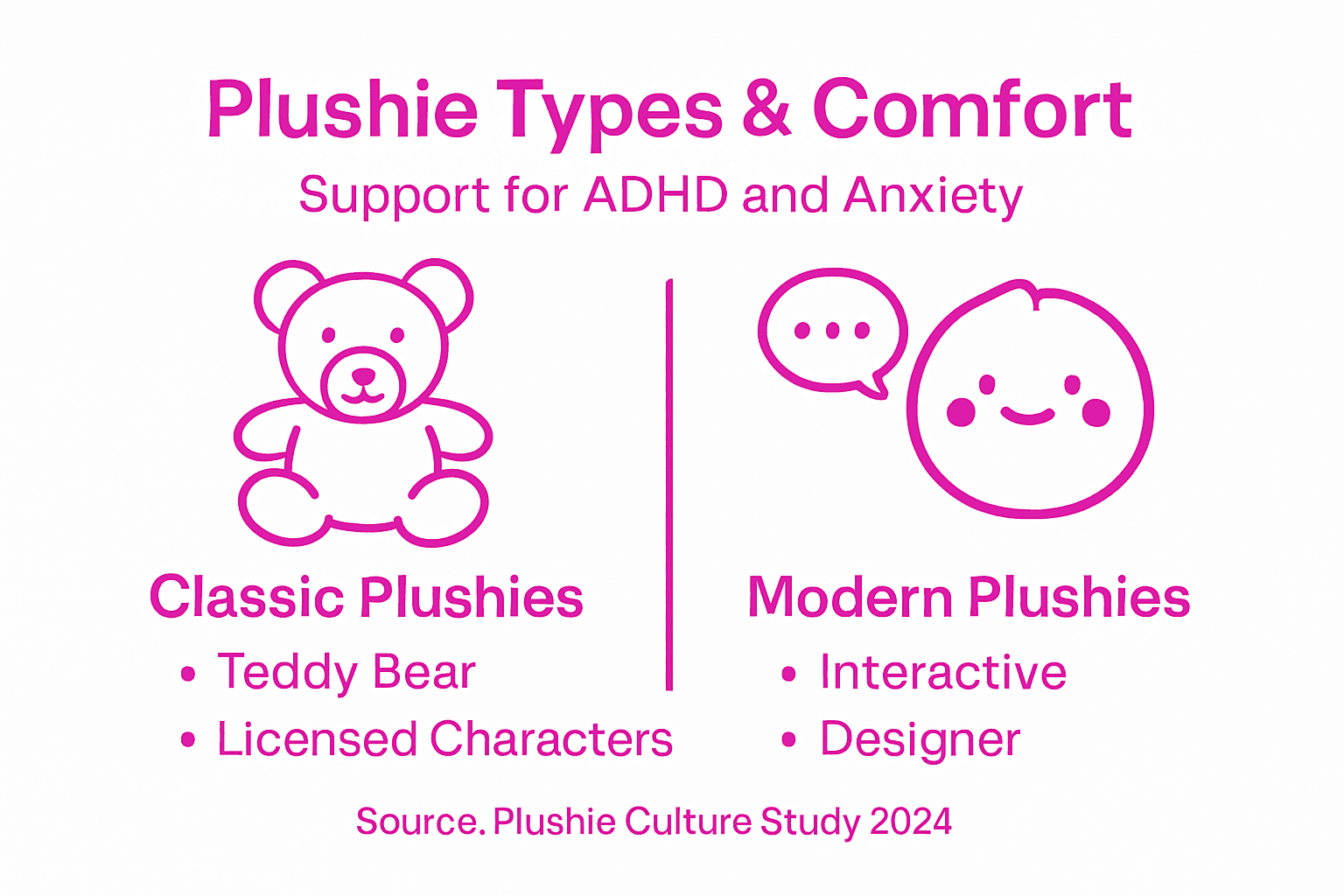
Social media platforms have become crucial in amplifying plushie culture, with unboxing videos, limited edition drops, and collaborative designer releases turning collectible plushies into social currency. Platforms like Instagram and TikTok have created entire ecosystems where collectors showcase rare finds, share customisation techniques, and build global communities around their passion. This digital integration has democratised collecting, allowing enthusiasts from different backgrounds to connect, trade, and celebrate their love for interactive plush companions.
Below is a comparison of digital vs traditional plushie collecting trends:
| Aspect | Traditional Plushies | Digital/Interactive Plushies |
|---|---|---|
| Engagement Experience | Physical only, tactile comfort | Connected apps, customisation options |
| Community Interaction | Local events, forums | Global online groups, social media |
| Collecting Motive | Nostalgia, personal stories | Technological novelty, social sharing |
| Value Factors | Age, rarity, condition | Digital content, limited edition drops |
Pro tip: Follow digital plush communities and collector forums to stay ahead of limited edition releases and discover unique interactive plush technologies.
Navigating Safety, Care and Social Acceptance
Plushie care and social understanding have evolved significantly, transforming these soft companions from childhood toys to legitimate emotional support tools. Safety considerations now extend beyond physical maintenance to encompass psychological well-being, recognising plushies as meaningful objects that provide genuine comfort for neurodivergent individuals and adults seeking sensory regulation.
Proper care involves more than basic cleaning techniques. For individuals with allergies or sensory sensitivities, understanding material composition becomes crucial. Different plush fabrics require specific maintenance approaches - some demand gentle hand washing, while others can tolerate machine cycles. Careful storage is equally important, protecting plushies from dust, direct sunlight, and potential fabric degradation. Plush toy preservation techniques have become increasingly sophisticated, reflecting the growing cultural recognition of plushies as valuable emotional resources.
Social acceptance has dramatically shifted, with adult plushie ownership now viewed as a healthy form of emotional expression rather than a childish habit. Online communities, therapeutic practices, and increased neurodiversity awareness have normalised plush companionship across age groups. Mental health professionals increasingly acknowledge plushies as legitimate coping mechanisms, particularly for individuals managing anxiety, ADHD, and sensory processing challenges. This cultural shift represents a profound understanding that emotional comfort transcends age and traditional social expectations.
Pro tip: Invest in specialised plushie care products designed to maintain fabric integrity and preserve your emotional support companion’s condition.
Discover Comfort and Calm with MOMORO & FRIENDS
Managing anxiety and ADHD can be challenging, especially when seeking emotional support that truly resonates. This article highlights how plushies offer more than softness by acting as emotional anchors and therapeutic tools. If you relate to the need for tactile comfort and sensory regulation, explore Shop Japanese-Inspired Plush Toys for ADHD & Anxiety – MOMORO & Friends where each interactive plush is designed to soothe and engage your unique needs.
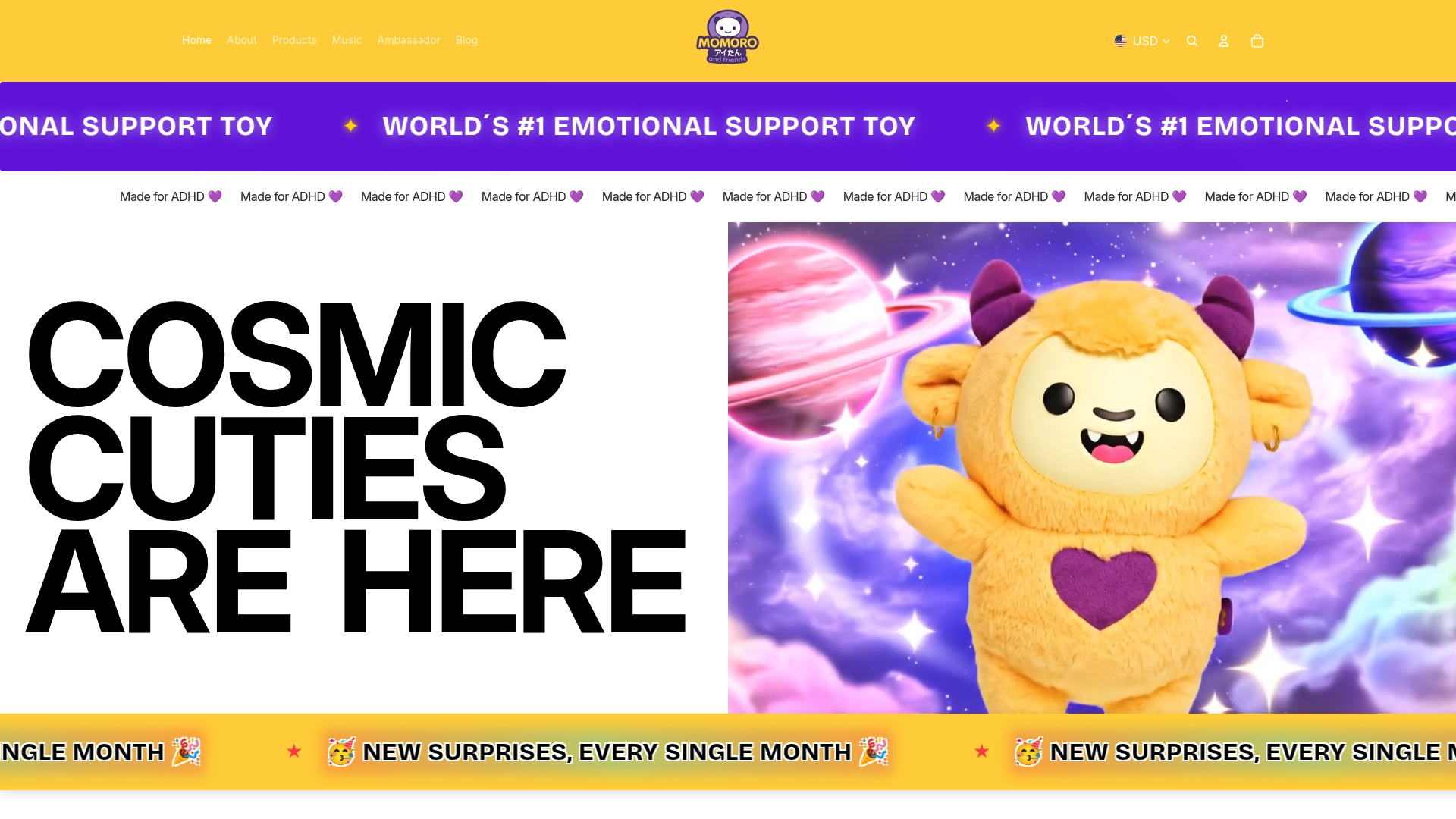
Experience a new level of calm through innovation with MOMORO & FRIENDS. These NFC-enabled collectible plushies unlock monthly digital gifts that help ease stress and brighten your mood. Limited worldwide to 5,000 units per drop, MOMORO blends comfort, creativity, and technology to serve as your personalised emotional support companion. Take a step towards emotional balance and join the community at https://momoro.store today.
Frequently Asked Questions
What is plushie culture?
Plushie culture involves collecting, customising, and cherishing soft toys that serve as emotional anchors and provide comfort, particularly for individuals with ADHD and other neurodivergent conditions.
How do plushies help manage anxiety for people with ADHD?
Plushies offer tactile comfort through hugging or squeezing, helping to ground racing thoughts and providing an immediate calming effect, which is vital for managing anxiety and emotional dysregulation.
What are the different types of plushies and their benefits?
Plushie types include vintage classics, licensed characters, designer collectibles, and interactive options. Each type appeals differently, from evoking nostalgia to providing sensory engagement for emotional regulation.
How can I choose the right plushie for emotional support?
Select plushies that resonate with your personal experiences and sensory needs. Look for specific textures and features that soothe you, creating a personalised emotional support toolkit.