

Over one third of british households now own at least one interactive plush toy, blending technology with tradition in new ways. This surge matters because these digital companions are changing how children, especially those with neurodivergent needs, engage and find comfort. From emotional support to surprising features that many overlook, this guide unpacks what sets interactive plush toys apart and challenges common myths with facts and expert advice.
Table of Contents
- Defining Interactive Plush And Common Myths
- Key Features Of Nfc-Enabled Plush Toys
- Types Of Interactive Plush And Collectibility
- How Interactive Plush Supports Adhd And Anxiety
- Safety, Compliance, And Potential Pitfalls
Key Takeaways
| Point | Details |
|---|---|
| Interactive Plush Innovation | Interactive plush toys combine technology and emotional support, evolving from traditional stuffed animals to responsive companions enhanced by artificial intelligence. |
| Therapeutic Benefits for Neurodivergent Users | These toys provide structured sensory experiences that aid in managing anxiety and ADHD by offering predictable interactions and calming features. |
| Safety Considerations | Users must consider digital security, sensory feature intensity, and age appropriateness when selecting interactive plush toys to ensure safe usage. |
| Choosing the Right Features | Prioritising toys with multiple sensory features and adaptive responses can maximise therapeutic potential for individuals with specific emotional needs. |
Defining Interactive Plush and Common Myths
Interactive plush toys represent a fascinating intersection of technology and comfort, transforming traditional soft companions into responsive digital friends. Smart toys have evolved dramatically, integrating artificial intelligence and electronic capabilities that enable dynamic interactions far beyond conventional stuffed animals.
Historically, interactive plush began with pioneers like Teddy Ruxpin, an electronic storytelling toy introduced in 1985 that could synchronise mouth and eye movements with audio narratives. Modern interactive plush now incorporate advanced features like sensory recognition, mood tracking, and personalised digital experiences designed specifically for neurodivergent individuals, particularly those managing ADHD and anxiety.
Common myths about interactive plush often misunderstand their therapeutic potential. Many assume these toys are merely technological gimmicks, but research suggests they can provide genuine emotional support. These intelligent companions offer sensory regulation, predictable interactions, and stress management tools that can be particularly beneficial for individuals with attention and emotional processing differences.
Pro Interaction Tip: Choose an interactive plush with multiple sensory features like soft textures, gentle sounds, and adaptive responses to maximise its calming potential for neurodivergent users.
Key Features of NFC-Enabled Plush Toys
NFC-enabled plush toys represent a cutting-edge technological innovation in interactive companion design, offering unprecedented levels of digital engagement. Smart toys now incorporate Near Field Communication technologies that transform traditional stuffed animals into intelligent, responsive digital companions capable of creating personalised experiences for users.
These advanced plush toys go beyond simple electronic interactions. Much like Fingerlings, which demonstrate responsive technologies through touch and sound interactions, modern NFC-enabled plush can provide dynamic sensory experiences. They can track mood, offer customised digital content, and create meaningful connections through seamless technological integration.
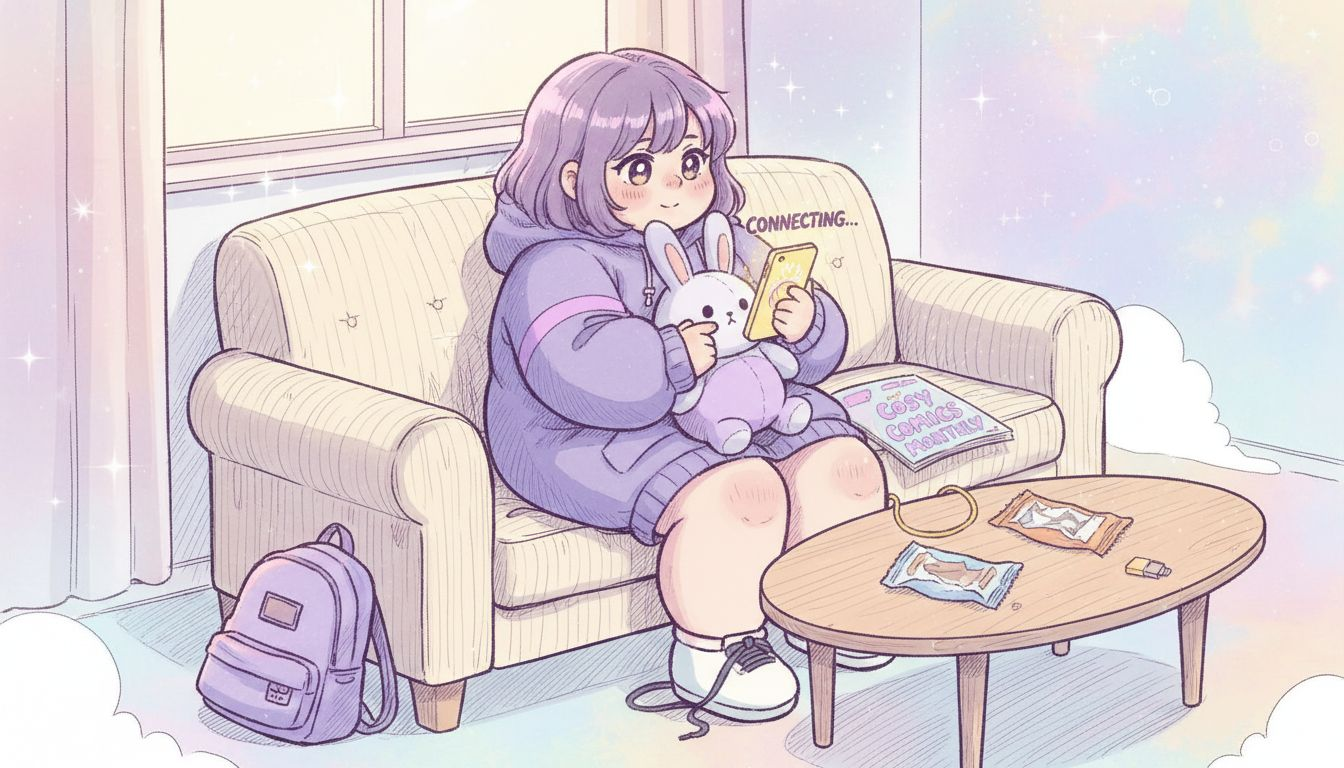
Key features of NFC-enabled plush typically include digital gift unlocking, personalised mood tracking, sensory recognition algorithms, and adaptive interaction capabilities. For neurodivergent individuals, these technologies offer more than entertainment - they provide structured emotional support, predictable interactions, and gentle technological companionship that can help manage anxiety and attention challenges.
Pro Connectivity Tip: When selecting an NFC-enabled plush, prioritise devices with multiple interaction modes and gentle, predictable response patterns to maximise therapeutic potential for individuals with sensory processing differences.
Types of Interactive Plush and Collectibility
Collectible interactive plush toys represent a fascinating intersection of technology, emotional support, and collecting culture. Disney Tsum Tsum exemplifies this trend, showcasing how collectible plush can create engaging display experiences that go beyond traditional toy interactions.
The world of interactive plush encompasses diverse categories, from responsive robotic companions to limited edition collectibles. Fingerlings demonstrate how interactive technologies can transform simple plush toys into responsive companions that react to touch and sound, creating multi-sensory experiences that appeal to collectors and therapeutic users alike.
Collectibility in interactive plush is driven by several key factors: technological innovation, design uniqueness, limited production runs, and emotional connection potential. For neurodivergent individuals, these toys offer more than mere collection - they provide structured sensory experiences, predictable interactions, and a sense of personal connection that can help manage anxiety and attention challenges.
Here is a comparison of interactive plush types and their unique strengths:
| Interactive Plush Type | Unique Strength | Typical User Benefit |
|---|---|---|
| NFC-enabled Plush | Personalised digital features | Customisable emotional support |
| Robotic Companions | Responsive movement tech | Dynamic interaction experience |
| Collectible Series | Display and design innovation | Enhanced collecting satisfaction |
| Sensory-Focused Models | Advanced tactile responses | Targeted anxiety and focus support |
Pro Collector Tip: When building an interactive plush collection, prioritise pieces with diverse interaction modes and sensory features that offer both collectible value and potential therapeutic benefits.
How Interactive Plush Supports ADHD and Anxiety
Interactive plush toys offer remarkable therapeutic potential for individuals managing ADHD and anxiety, providing structured sensory experiences that can help regulate emotional responses. Research on fidget toys suggests that interactive objects can significantly increase on-task behaviour and attention, making them powerful tools for neurodivergent individuals seeking emotional regulation.
These specialised companions work by offering predictable, gentle interactions that create a sense of safety and comfort. Through responsive technologies, interactive plush can provide consistent sensory feedback, helping individuals with ADHD manage overstimulation and anxiety. The tactile and digital interactions create a multisensory experience that can help redirect restless energy, improve focus, and provide a calming presence during challenging moments.
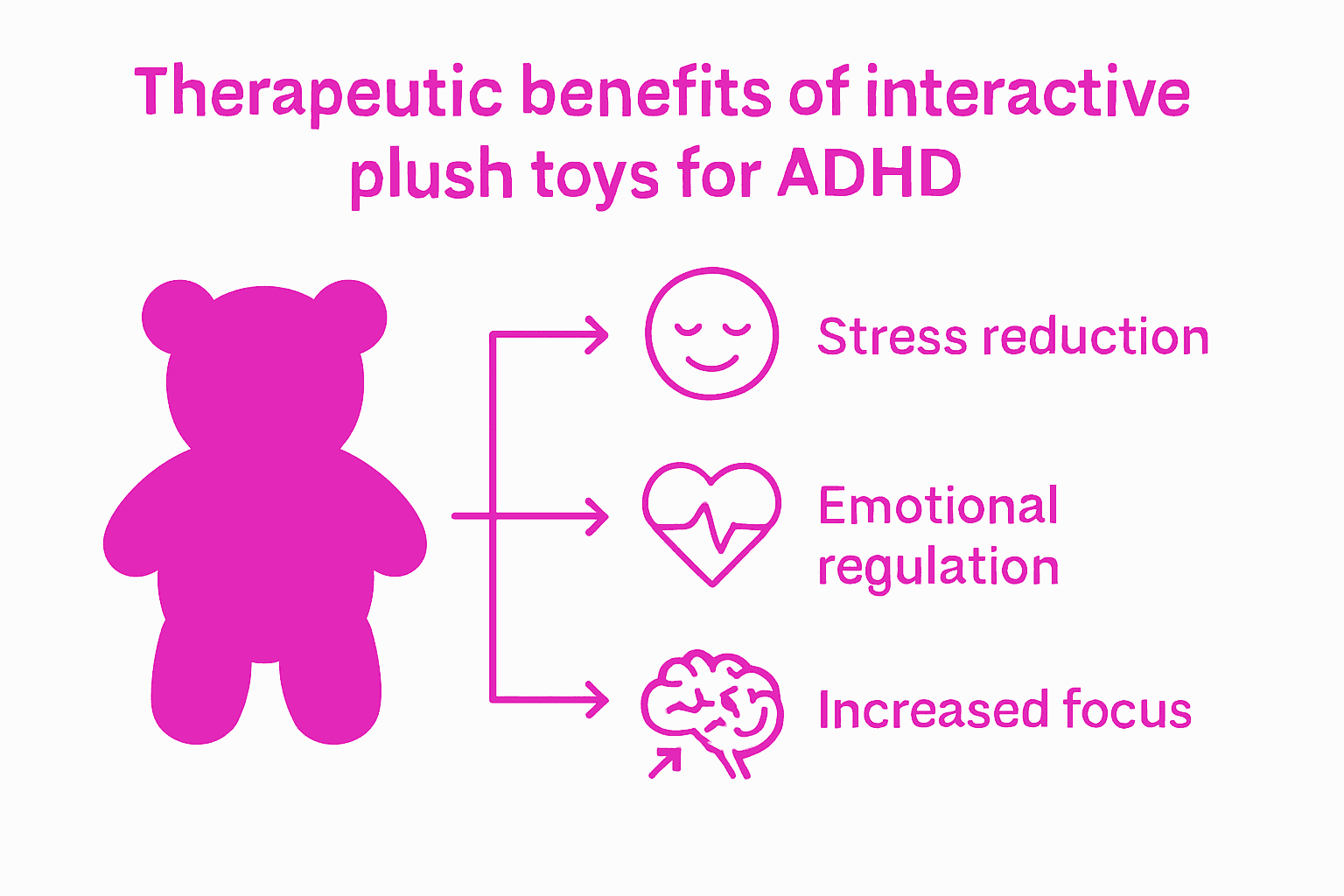
Key therapeutic benefits include stress reduction, emotional grounding, and enhanced self-regulation. Interactive plush toys can serve as discrete emotional support tools, offering silent companionship that helps manage sensory processing challenges. For neurodivergent individuals, these toys represent more than simple playthings - they are personalised support systems that adapt to individual emotional needs and provide predictable, comforting interactions.
Pro Emotional Support Tip: Select interactive plush with multiple sensory features like soft textures, gentle sounds, and programmable responses to create a personalised anxiety management tool that feels uniquely supportive.
Safety, Compliance, and Potential Pitfalls
Smart toys introduce complex considerations regarding safety and appropriate usage, particularly for neurodivergent individuals. The widespread use of interactive devices has highlighted potential challenges, including classroom disruptions and sensory integration complexities that require careful navigation.
Smart toy technologies raise critical data privacy and compliance concerns that demand rigorous attention. Parents and caregivers must carefully evaluate interactive plush toys, considering factors such as digital security, age-appropriate interactions, and potential overstimulation risks. These considerations are particularly crucial for individuals with ADHD and sensory processing differences who may have unique technological interaction needs.
Key safety considerations include electromagnetic radiation levels, digital data protection, physical durability, and age-appropriate technological complexity. Interactive plush must balance therapeutic potential with user safety, ensuring that sensory features do not overwhelm or trigger anxiety. Responsible manufacturers must prioritise transparent design, clear usage guidelines, and robust safety certifications that protect vulnerable users.
The following table summarises key safety considerations for interactive plush toys:
| Safety Consideration | Importance for Neurodivergent Users | Manufacturer Best Practice |
|---|---|---|
| Digital Data Protection | Prevents privacy breaches | Transparent privacy policies |
| Sensory Feature Intensity | Reduces risk of sensory overload | Adjustable intensity settings |
| Physical Durability | Withstands frequent handling | Reinforced stitching and safe materials |
| Age-Appropriate Complexity | Matches user developmental needs | Clear age guidelines on packaging |
Pro Safety Insight: Always research the manufacturer’s safety certifications, review detailed product specifications, and consult neurodevelopmental professionals before introducing interactive plush toys to individuals with specific sensory or attention processing requirements.
Experience Calm with Interactive Plush Designed for ADHD and Anxiety
The article highlights how interactive plush toys can offer vital support for individuals managing ADHD and anxiety through predictable, sensory-rich interactions. If you are seeking a comforting companion that blends technology with emotional support, Momoro & Friends delivers just this. Each NFC-enabled plush unlocks monthly digital gifts to ease stress and lift moods, perfectly aligning with the need for personalised, calming experiences discussed in the article.
Discover how thoughtfully designed, limited edition plush toys can transform everyday challenges into moments of calm. Explore our Shop Japanese-Inspired Plush Toys for ADHD & Anxiety – MOMORO & Friends and see why these collectible companions help create gentle, structured sensory support.
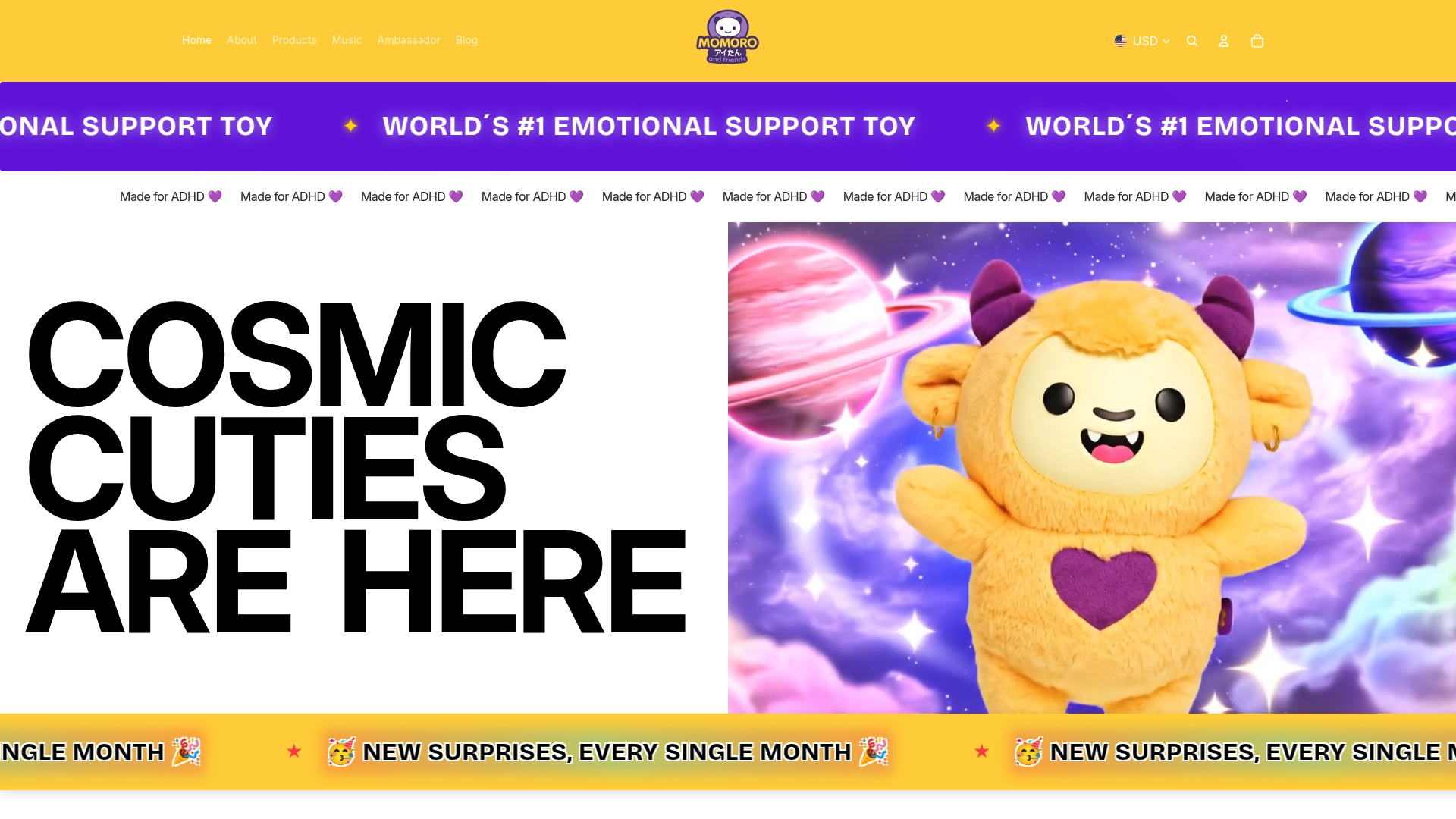
Start your journey towards relaxation and focus today by visiting https://momoro.store. Join thousands who have found emotional grounding through interactive plush toys crafted especially for neurodivergent needs.
Frequently Asked Questions
What are interactive plush toys?
Interactive plush toys are soft companions that incorporate technology, such as artificial intelligence, to provide dynamic interactions. They go beyond traditional stuffed animals by offering responsive features such as sensory recognition and personalised digital experiences.
How can interactive plush toys help individuals with ADHD?
Interactive plush toys provide structured sensory experiences that can help regulate emotional responses in individuals with ADHD. Their predictable interactions and tactile feedback can assist in managing overstimulation and anxiety, improving focus and calmness during challenging moments.
What features should I look for in an interactive plush for emotional support?
When selecting an interactive plush for emotional support, look for toys with multiple sensory features, such as soft textures, gentle sounds, and adaptive responses. These attributes can create a personalised tool for anxiety management and comfort.
Are there safety considerations for using interactive plush toys?
Yes, safety considerations include digital data protection, sensory feature intensity, physical durability, and age-appropriate complexity. It’s important to choose toys from reputable manufacturers that prioritise user safety and provide clear age guidelines.
Recommended
- S1 Space Cuties KUTI Launch Edition Plush Toy 20% Off – MOMORO & Friends
- Effective Body Scan Meditation to Reduce Anxiety and stress – MOMORO & Friends
- 9 Essential Japanese Plush Collectibles for 2026 – MOMORO & Friends
- Shop Japanese-Inspired Plush Toys for ADHD & Anxiety – MOMORO & Friends
- 13 Anger Management Activities for Kids, Children and Teens