

Most British collectors are surprised to learn that over 60 percent of blind box plush fans say the element of surprise is what keeps them coming back. The thrill of not knowing which plush is inside makes these toys more than just a purchase, especially for those managing ADHD symptoms. This guide uncovers how blind box plush work, clears up British misconceptions, and highlights how thoughtful collecting can become truly rewarding.
Table of Contents
- Blind Box Plush Defined And Common Misconceptions
- Types Of Blind Box Plush And Collectible Features
- How NFC-Enabled Plush Supports ADHD Relief
- Safety, Rarity, And Responsible Collecting
- Comparing Blind Box Plush To Traditional Comforts
Key Takeaways
| Point | Details |
|---|---|
| Blind Box Plush Appeal | The surprise element of blind box plush can engage collectors, especially those with ADHD, by providing a unique and stimulating experience. |
| Potential for Compulsive Behaviour | Mindful collecting is crucial to avoid compulsive purchasing driven by the randomness of rare items. |
| NFC-Enabled Plush Benefits | NFC-enabled plush toys offer interactive features that can aid in emotional regulation and cognitive support for individuals with ADHD. |
| Comparison to Traditional Toys | Blind box plush provide a distinct sensory experience with unpredictability, contrasting with the consistent comfort of traditional plush toys. |
Blind Box Plush Defined and Common Misconceptions
Blind box plush are collectible soft toys sold in sealed, opaque packaging that deliberately conceal the specific character or design inside. This creates an exciting element of surprise and anticipation for collectors, especially those managing ADHD symptoms. Blind box toys operate on a principle of randomness that makes each purchase feel like a unique, unpredictable experience.
The core appeal of blind box plush lies in their mystery. Unlike traditional toys where buyers know exactly what they’re purchasing, these collectibles introduce an element of chance. For individuals with ADHD, this randomness can be particularly engaging. The surprise factor triggers dopamine release, which can help stimulate attention and provide a momentary burst of excitement. Sensory stimulation through unboxing and discovering a new plush companion can serve as a positive, controlled form of stimulation.
However, blind box plush are not without potential drawbacks. Research suggests these collectibles might encourage repeated purchases due to the randomness of obtaining rare items. For individuals with ADHD, this could potentially become a compulsive behaviour if not managed carefully. Key misconceptions include:
- Blind box plush are just random toys
- They have no therapeutic value
- Collecting them is always financially irresponsible
In reality, when approached mindfully, blind box plush can offer genuine emotional and sensory benefits for those managing ADHD. The key is understanding personal limits and viewing these collectibles as a controlled, enjoyable experience rather than an unregulated impulse.
Types of Blind Box Plush and Collectible Features
Blind box plush represent a diverse world of collectible soft toys with unique characteristics that appeal to individuals managing ADHD symptoms. Some collections like Labubu feature intricate monster-themed characters, offering a range of designs that provide sensory engagement and visual stimulation. These collectibles often include a mix of standard and rare figures, creating an element of surprise that can be particularly captivating for those seeking novel experiences.
Different blind box plush series showcase remarkable variety in design and functionality. Smiski figures, for instance, offer glow-in-the-dark elements depicting everyday activities, which can be especially interesting for individuals with ADHD who appreciate interactive and dynamic collectibles. Sensory features like phosphorescent materials, unique textures, and unexpected design elements can provide therapeutic benefits by offering controlled sensory input.
Key types of blind box plush include:
- Character-based collections (anime, cartoon characters)
- Themed series (monsters, animals, daily life scenes)
- Minimalist design collections
- Interactive or glow-in-the-dark figures
When selecting blind box plush for ADHD management, consider Japanese-inspired collectible designs that offer nuanced sensory experiences. The goal is finding plush that provide gentle stimulation without overwhelming the senses, creating a calming yet engaging collectible experience.
How NFC-Enabled Plush Supports ADHD Relief
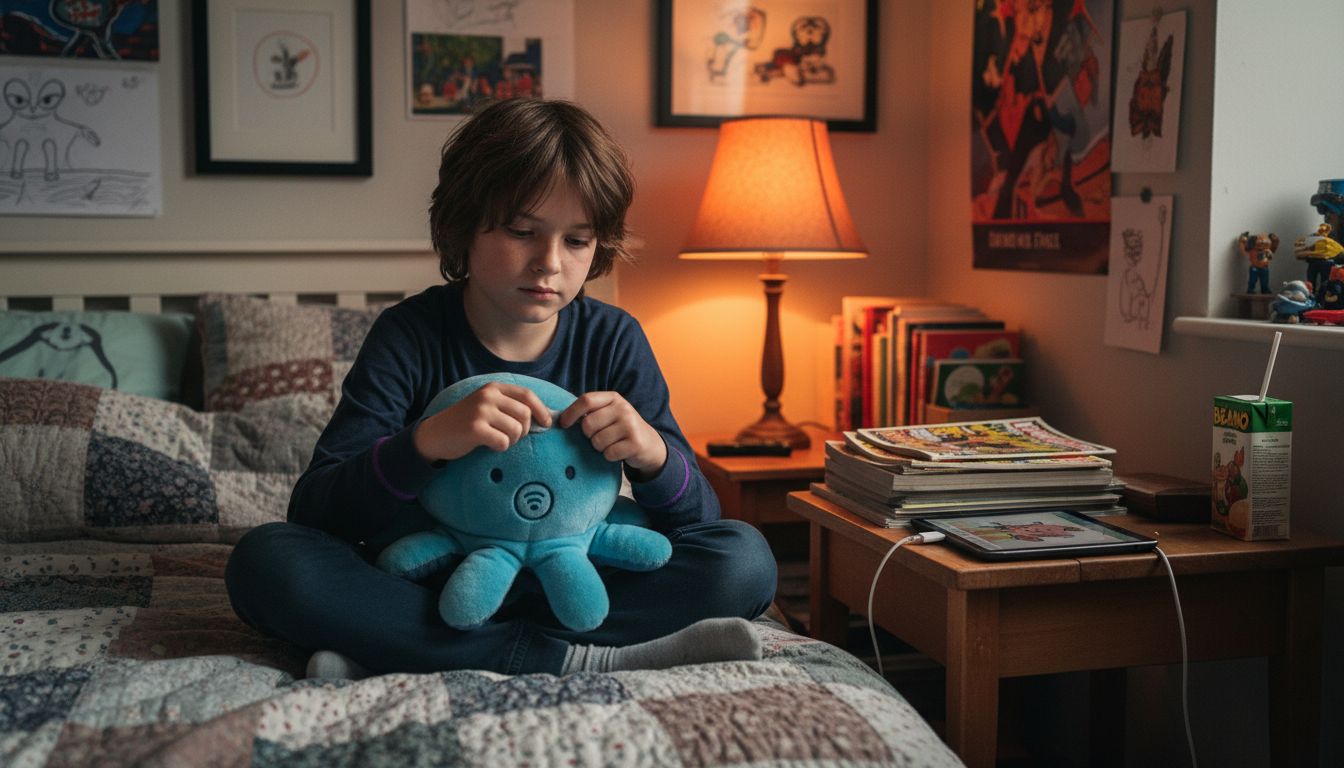
NFC-enabled plush toys represent a groundbreaking approach to supporting individuals with ADHD, offering an innovative method of interactive sensory engagement. These technologically advanced soft companions provide more than traditional comfort, delivering personalised digital experiences that can help manage attention and reduce anxiety. The integrated Near Field Communication (NFC) technology transforms a simple plush toy into a dynamic tool for emotional regulation and cognitive support.
The interactive capabilities of NFC-enabled plush are particularly compelling for ADHD management. Research demonstrates that structured interactive play can significantly improve attention span and reduce hyperactivity, making these toys more than just cuddly companions. Digital interactions embedded within the plush can offer:
- Guided breathing exercises
- Mood tracking capabilities
- Personalised calming soundscapes
- Interactive cognitive games
- Reward systems for emotional regulation
By integrating emotional support technologies, these NFC-enabled plush create a multi-sensory experience that can help individuals with ADHD develop better self-regulation skills. The key is providing gentle, predictable stimulation that doesn’t overwhelm but instead supports cognitive and emotional processing.
Safety, Rarity, and Responsible Collecting
Blind box collecting requires careful consideration of ethical and safety concerns, particularly for individuals managing ADHD who might be prone to impulsive purchasing behaviours. The allure of rare collectibles can potentially trigger compulsive collecting patterns, making it crucial to establish clear boundaries and mindful collecting strategies. Responsible engagement means understanding the broader implications of blind box purchases beyond momentary excitement.
The blind box market has raised significant concerns about normalising gambling-like behaviours, especially for individuals with potential impulse control challenges. Collecting guidelines become essential in maintaining a healthy relationship with these collectibles. Important considerations include:
- Setting strict budget limits
- Tracking total number of purchases
- Understanding personal triggers
- Avoiding emotional purchasing
- Recognising collecting as a managed hobby
For individuals with ADHD, developing a structured approach to collecting can transform these interactions from potential risk to a controlled, enjoyable experience. The goal is creating a balanced engagement that provides sensory satisfaction without becoming financially or emotionally overwhelming.
Comparing Blind Box Plush to Traditional Comforts
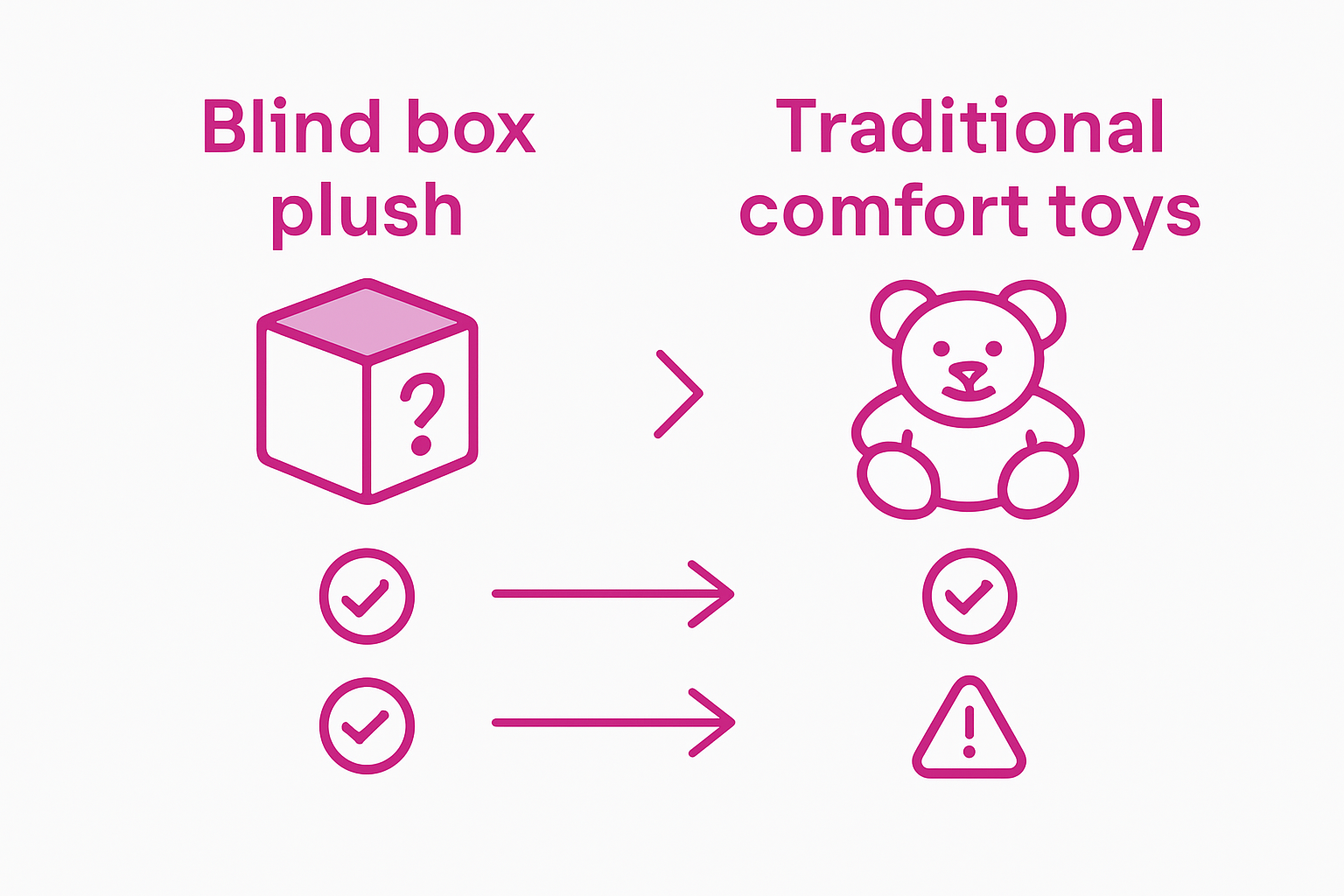
Blind box plush and traditional comfort toys represent distinctly different approaches to emotional support, particularly for individuals managing ADHD symptoms. While traditional plush toys offer immediate, predictable comfort, blind box plush introduce an element of surprise and novelty that can be uniquely engaging for neurodivergent individuals. The unpredictability becomes a therapeutic feature, providing controlled sensory stimulation that traditional toys might lack.
Tactile experiences differ significantly between blind box and standard plush toys, with each offering distinct sensory benefits. Sensory comparison reveals unique characteristics:
-
Traditional Plush:
- Consistent texture
- Immediate comfort
- Predictable design
- Long-term companionship
-
Blind Box Plush:
- Surprise element
- Varied designs
- Collectible experience
- Potential for increased engagement
For individuals with ADHD, the key is finding a balance that provides both predictability and stimulation. Explore Japanese-inspired plush designs that blend these therapeutic qualities, transforming a simple toy into a nuanced emotional regulation tool.
Discover Calm with Interactive Blind Box Plush Toys Tailored for ADHD
Managing ADHD requires tools that blend sensory stimulation with emotional support in a balanced and mindful way Blind box plush toys offer a unique surprise and tactile engagement that can help ease stress and improve focus However the challenge lies in maintaining control to avoid impulsive habits and ensuring the experience remains calming rather than overwhelming
This is where MOMORO stands apart As the world’s first NFC-enabled interactive collectible MOMORO combines the thrill of a blind box plush with carefully crafted digital experiences designed specifically for ADHD and anxiety relief Each plush unlocks personalised monthly digital gifts such as calming soundscapes mood trackers and guided exercises That creates an emotionally supportive and engaging journey encouraging gentle sensory input and cognitive regulation without the risk of compulsive collecting
Explore the innovative approach for yourself by visiting Shop Japanese-Inspired Plush Toys for ADHD & Anxiety – MOMORO & Friends 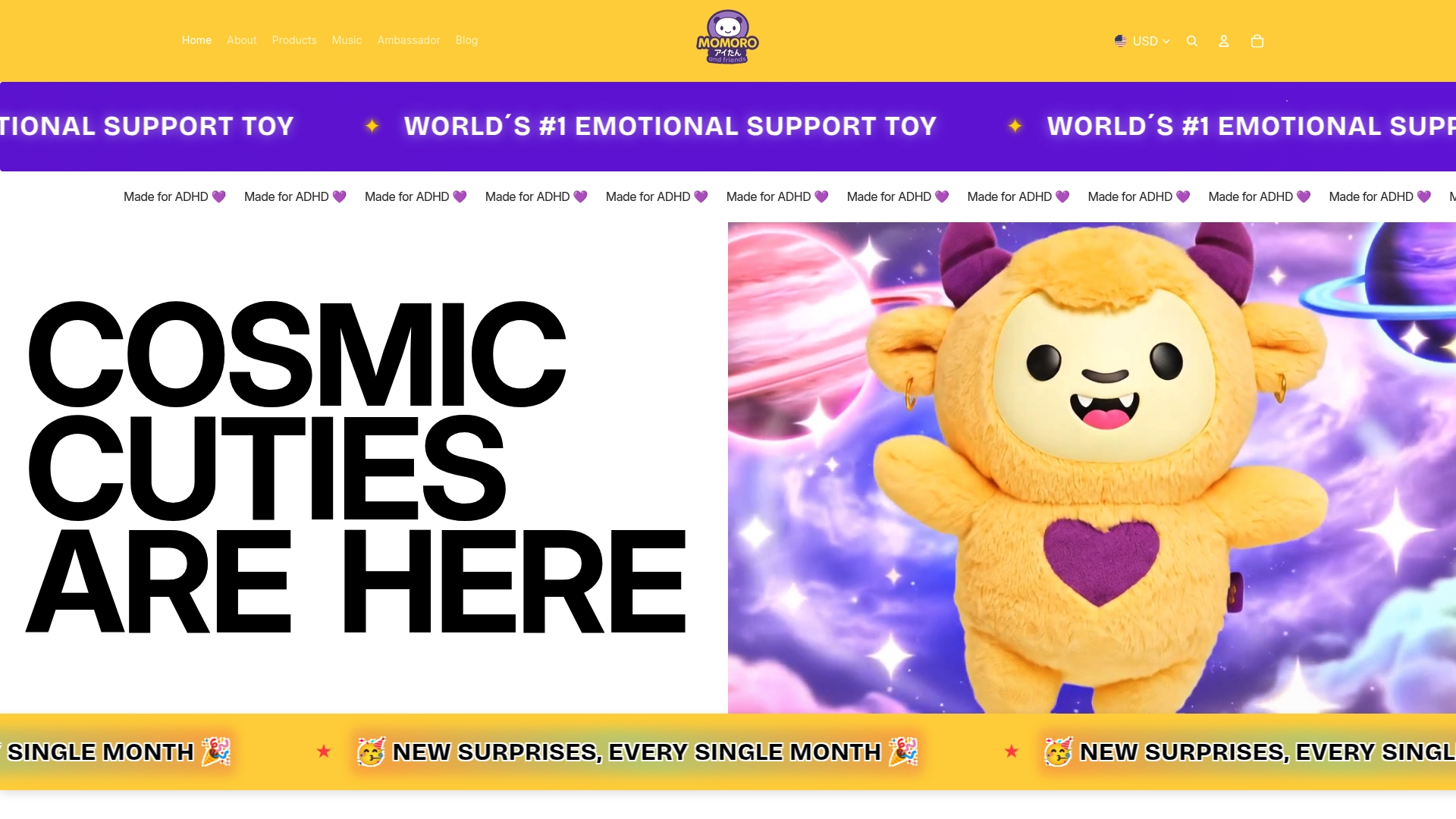 Take control of your therapeutic playtime and transform how you find calm with a limited edition MOMORO available now at https://momoro.store Start your mindful collecting journey today and experience the perfect blend of comfort creativity and technology
Frequently Asked Questions
What are blind box plush toys?
Blind box plush toys are collectible soft toys sold in sealed packaging that conceals the specific character or design inside, creating an element of surprise that can engage collectors, especially those managing ADHD symptoms.
How can blind box plush toys help with ADHD?
The surprise element of blind box plush can trigger dopamine release, stimulating attention and providing moments of excitement. They also offer sensory stimulation through the unboxing experience, which can be beneficial for emotional regulation.
What are the different types of blind box plush available?
Blind box plush come in various collections, including character-based series, themed designs (like monsters or animals), minimalist designs, and interactive figures like glow-in-the-dark plush, catering to a wide range of sensory experiences.
Are there any potential drawbacks to collecting blind box plush?
Yes, collecting blind box plush may encourage impulsive buying behaviour, particularly for individuals with ADHD. It’s crucial to establish boundaries, set budget limits, and approach collecting mindfully to enjoy the benefits without falling into compulsive patterns.
Recommended
- Effective Body Scan Meditation to Reduce Anxiety and stress – MOMORO & Friends
- Shop Japanese-Inspired Plush Toys for ADHD & Anxiety – MOMORO & Friends
- S1 Space Cuties KUTI Launch Edition Plush Toy 20% Off – MOMORO & Friends
- MOMORO – World’s #1 Emotional Support Plush Toy with NFC Gifts – MOMORO & Friends