

Every parent faces moments when their child with ADHD struggles to manage overwhelming feelings or sensory overload. In these times, finding appealing, practical solutions for daily comfort can make all the difference. Innovative plush toys designed for ADHD support now offer children in the United Kingdom something more than softness—they create calming emotional anchors and provide gentle sensory regulation, helping young minds feel soothed and secure even on the toughest days.
Table of Contents
- What Is Plush for ADHD Support?
- Sensory Regulation and Emotional Comfort
- How Interactive Plush Supports ADHD Needs
- Technology Features and Digital Integration
- Common Concerns and Safety Guidelines
- Choosing the Best Plush for Your Child
Key Takeaways
| Point | Details |
|---|---|
| Plush Toys as Therapeutic Tools | Plush toys designed for ADHD support serve as strategic interventions to aid children in managing sensory processing and anxiety. |
| Importance of Sensory Features | Selecting plush toys with varied sensory features enhances emotional regulation and self-soothing capabilities for children. |
| Role of Digital Integration | Modern plush toys incorporate technology, providing personalised sensory experiences that can track emotional states for better management. |
| Safety Considerations | Prioritising safety through careful selection of age-appropriate, non-toxic materials ensures effective and secure use of plush support tools. |
What Is Plush for ADHD Support?
Plush toys designed for ADHD support represent more than just soft companions - they are strategic emotional regulation tools crafted to help children manage sensory processing and anxiety. These specialised plushies offer multiple layers of support beyond traditional comfort objects.
At their core, ADHD support plushies provide crucial sensory input that helps children regulate their emotional landscape. Sensory support plushies create a tangible connection that helps ground children experiencing overwhelming stimuli or emotional dysregulation. They work by delivering deep pressure stimulation, which signals calmness to the brain and supports self-regulation.
Key features of ADHD support plush toys include:
- Soft, comforting textures that provide tactile stimulation
- Weighted options for deep pressure therapy
- Designs that encourage emotional expression
- Portable emotional support tools
These plushies are not merely toys but therapeutic interventions. They help children with ADHD develop emotional intelligence by providing a safe, consistent object that can be used for self-soothing, anxiety reduction, and sensory processing support. Educational plush representations even include informative elements that help normalise discussions about neurodiversity.
Here’s a summary of types of ADHD support plush toys and their unique benefits:
| Type of Plush Toy | Primary Benefit | Suitable For | Extra Feature |
|---|---|---|---|
| Sensory Regulation Plush | Calms sensory overload | Children needing grounding | Deep pressure stimulation |
| Interactive Plush | Aids emotional self-management | Children needing fidget tools | Manipulable texture surfaces |
| Tech-Integrated Plush | Tracks emotional state | Tech-savvy children | Mobile app connectivity |
| Weighted Plush | Eases anxiety, improves focus | Those needing deep pressure | Consistent weighted filling |
Pro tip: Select a plush toy with multiple sensory features like different fabric textures, gentle weights, or interactive elements to maximise therapeutic benefits.
Sensory Regulation and Emotional Comfort
Sensory regulation plays a critical role in supporting children with ADHD, offering a nuanced approach to managing emotional overwhelm and cognitive challenges. Sensory plush toys provide a sophisticated intervention that goes beyond simple comfort, acting as therapeutic tools designed to help children navigate sensory processing difficulties.
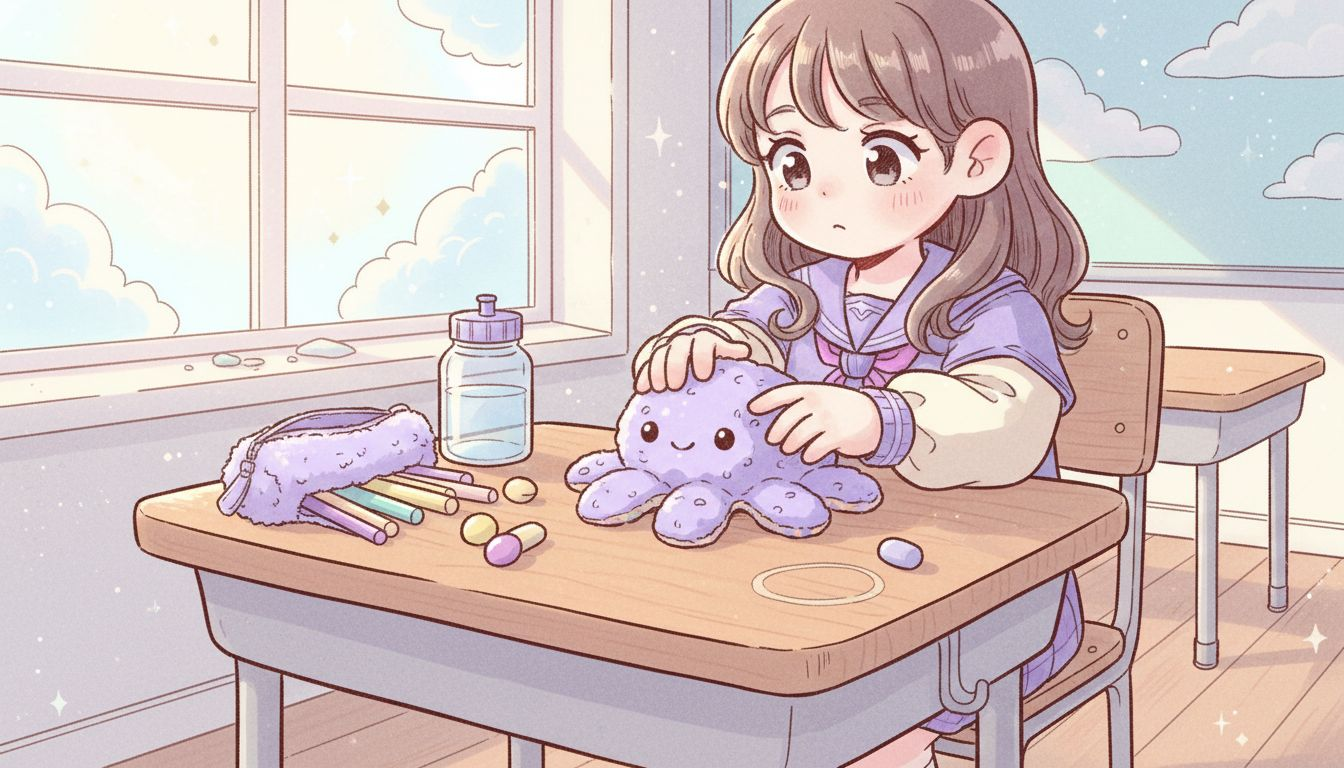
These specialised plushies work by delivering targeted sensory input that helps children regulate their emotional responses. When a child experiences sensory overload - a common challenge for those with ADHD - these toys offer a gentle, consistent mechanism for grounding and self-soothing. By providing various tactile experiences, they help interrupt potentially escalating emotional cycles and create a sense of predictability and safety.
Key mechanisms of sensory regulation through plush toys include:
- Providing consistent deep pressure stimulation
- Offering varied texture experiences
- Creating a portable emotional regulation tool
- Helping interrupt sensory overwhelm cycles
- Supporting emotional self-management skills
For UK children with ADHD, these sensory plush toys represent more than just comfort objects. They are strategic interventions that support emotional intelligence, helping young people develop self-regulation skills in a supportive, non-invasive manner. The tactile and emotional feedback these toys provide can be transformative in helping children understand and manage their unique neurological experiences.
Pro tip: Choose plush toys with multiple sensory features like different fabric textures, gentle weights, and soft edges to maximise emotional regulation potential.
How Interactive Plush Supports ADHD Needs
Interactive plush toys represent a sophisticated approach to supporting children with ADHD, offering far more than traditional comfort objects. Mental health plushies provide a nuanced intervention that combines tactile stimulation with emotional regulation strategies specifically designed for neurodivergent children.
These specialised toys integrate multiple sensory management techniques to help children with ADHD navigate their unique cognitive landscape. By incorporating features like fidget elements, weighted components, and varied textures, interactive plushies create a dynamic tool for emotional self-management. When a child feels overwhelmed or struggles to concentrate, these plush companions offer an immediate, portable mechanism for grounding and redirecting excess mental energy.
Key interactive features that support ADHD needs include:
- Tactile fidgeting surfaces for sensory engagement
- Weighted components providing deep pressure stimulation
- Soft, variable texture zones for sensory exploration
- Discrete manipulation opportunities
- Portable emotional regulation tools
Neurological Benefits of Interactive Plush
For UK children with ADHD, these interactive plushies serve as more than mere toys. Interactive plush strategies offer a scientifically-informed approach to supporting cognitive function, helping children channel their unique neurological experiences into constructive emotional regulation. The subtle interactions these plush toys enable can transform moments of potential sensory overload into opportunities for self-discovery and emotional resilience.
Pro tip: Select interactive plush toys with multiple sensory features that can be quietly manipulated in various settings to support continuous emotional self-management.
Technology Features and Digital Integration
Digital technology is transforming how ADHD support tools function, with interactive plush toys leading a revolutionary approach to emotional regulation. Assistive technology for ADHD now encompasses sophisticated digital features that extend far beyond traditional therapeutic interventions.
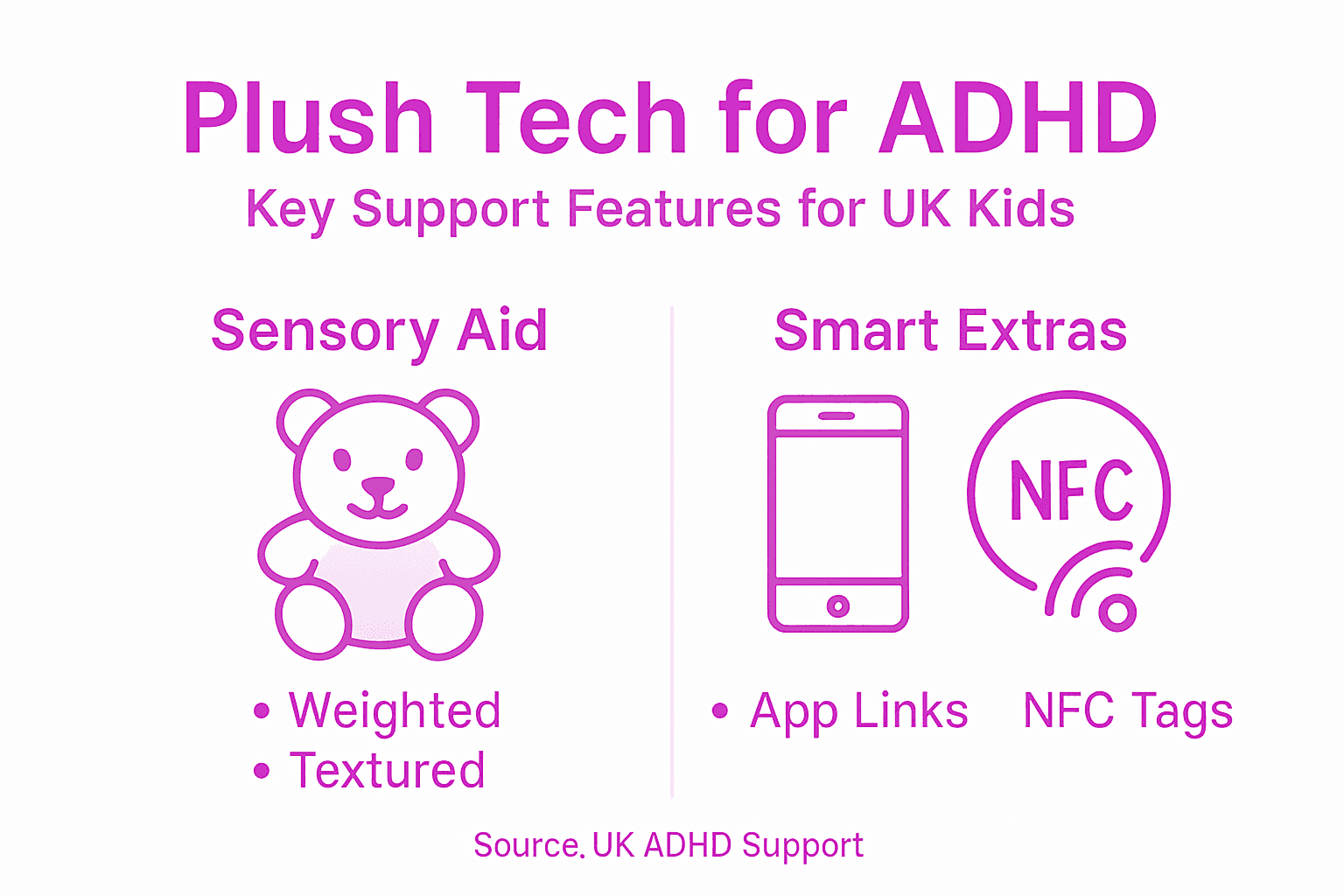
Modern plush toys are no longer passive comfort objects but active technological companions. By integrating sensors, mobile applications, and interactive elements, these innovative tools provide personalised sensory experiences tailored to individual neurological needs. Mental health plush technologies enable real-time tracking of stress levels and emotional states, offering unprecedented insights into a child’s cognitive and emotional landscape.
Key technological features in ADHD support plushies include:
- NFC-enabled digital interaction
- Stress and anxiety level tracking
- Personalised calming sound libraries
- Interactive mobile app connectivity
- Adaptive sensory feedback mechanisms
Digital integration transforms plush toys from simple comfort objects into intelligent emotional support systems.
These technological advancements represent a significant leap in understanding and supporting neurodivergent children. By combining tactile comfort with digital intelligence, these plush toys create a holistic approach to emotional regulation that respects the unique neurological experiences of children with ADHD.
Pro tip: Select interactive plush toys with robust digital features that offer both immediate sensory comfort and long-term emotional tracking capabilities.
Common Concerns and Safety Guidelines
Parents and caregivers navigating ADHD support tools must prioritise safety and thoughtful selection when introducing plush toys. Safety guidelines for supportive plushies emphasise the critical importance of choosing age-appropriate, non-toxic materials that provide sensory comfort without overwhelming a child’s neurological system.
Understanding the specific safety considerations for ADHD support plushies requires a nuanced approach. These specialised toys must balance sensory input with careful design to prevent potential risks. Plush safety standards mandate rigorous testing to ensure children can interact with these therapeutic tools safely and effectively.
Key safety considerations for ADHD support plushies include:
- Non-toxic, hypoallergenic material composition
- Secure stitching to prevent choking hazards
- Age-appropriate design features
- Minimal loose parts or detachable components
- Washable and durable construction
- Sensory elements that do not overstimulate
Safety in plush toys is not about limitation, but about creating a secure sensory experience.
Parents should remain actively involved in selecting and monitoring plush toy interactions, understanding that each child’s sensory needs are unique. Regular inspection of the plush toy for wear and tear, and ensuring appropriate use, can significantly enhance the safety and effectiveness of these therapeutic tools.
Pro tip: Conduct a monthly safety inspection of plush toys, checking for loose threads, potential wear points, and ensuring the toy remains clean and structurally sound.
Consider these factors when selecting a safe and effective ADHD support plush for your child:
| Selection Factor | Why It Matters | What to Look For |
|---|---|---|
| Material Safety | Prevents allergic reactions | Certified hypoallergenic plush |
| Age-Appropriate Design | Reduces choking hazards | Secure stitching, no small parts |
| Maintenance | Ensures hygienic use and longevity | Washable and robust materials |
| Sensory Complexity | Avoids overstimulation | Balanced texture and weight |
Choosing the Best Plush for Your Child
Selecting the right plush toy for a child with ADHD requires careful consideration and personalised assessment. Support tool selection involves understanding the unique sensory and emotional needs of each individual child, recognising that no single approach works universally.
Parents and caregivers must approach plush toy selection as a nuanced process of observation and adaptation. This means paying close attention to how a child interacts with different textures, weights, and sensory features. Some children might prefer soft, lightweight plushies, while others might find deep pressure and weighted options more comforting and regulating.
Key considerations when selecting an ADHD support plush include:
- Individual sensory processing preferences
- Texture and fabric sensitivity
- Weight and pressure requirements
- Interactive digital features
- Durability and washability
- Emotional connection potential
The right plush toy is not about perfection, but about finding a companion that understands your child’s unique neurological landscape.
Consultation with occupational therapists or ADHD specialists can provide invaluable insights into choosing the most appropriate plush toy. They can help identify specific sensory integration needs and recommend toys that might best support your child’s emotional regulation and comfort.
Pro tip: Create a sensory preference journal to track your child’s responses to different plush toy characteristics, helping you make more informed selection decisions.
Discover Plush Toys That Truly Support ADHD and Anxiety for UK Kids
Children with ADHD often face the challenge of sensory overload and emotional dysregulation throughout their day. The article highlights how specialised plush toys offering tactile stimulation, weighted pressure, and interactive features can provide essential grounding and self-soothing tools. If you are seeking a companion that blends comforting textures with innovative emotional regulation strategies, MOMORO & FRIENDS perfectly aligns with these needs.
MOMORO & FRIENDS Japanese-Inspired Plush Toys for ADHD & Anxiety are designed to do more than just comfort. Each NFC-enabled plush unlocks monthly digital gifts that encourage calm and creativity, supporting children in managing anxiety and sensory processing with a unique blend of technology and heartfelt design.
Explore how combining sensory regulation, emotional support, and cutting-edge technology can transform daily challenges into moments of calm. Visit MOMORO & FRIENDS today to find the perfect interactive plush companion for your child. Limited releases mean acting now secures a special collectible that supports wellbeing in meaningful ways.
Frequently Asked Questions
What is the purpose of plush toys for children with ADHD?
Plush toys designed for ADHD support serve as emotional regulation tools. They help children manage sensory processing and anxiety by providing sensory input and comfort.
How do sensory regulation plush toys work?
Sensory regulation plush toys deliver deep pressure stimulation, which can help calm the brain and support self-regulation in children experiencing sensory overload or emotional distress.
What features should I look for in an ADHD support plush toy?
Key features to consider include soft and comforting textures, weighted options for deep pressure, designs that promote emotional expression, and portability for on-the-go support.
Are interactive plush toys effective for children with ADHD?
Yes, interactive plush toys combine tactile stimulation with emotional regulation strategies. They incorporate features like fidget elements and variable textures, which can help children manage their emotions and focus better.