

Most british plush toys are not just comfort objects but vital sources of emotional support for millions. With over 5 million plush toys sold annually in the United Kingdom alone, the craft of plush manufacturing plays a significant role in daily wellbeing. From supporting individuals with anxiety and ADHD to advancing sustainable design, modern plush manufacturing weaves together artistry, science, and innovation while meeting strict british safety standards. Discover why these soft creations matter so much and how their thoughtful design transforms lives.
Table of Contents
- Defining Plush Manufacturing And Its Purpose
- Types Of Plush Toys And Innovations
- How Interactive Features Support Wellbeing
- Materials, Design, And Construction Process
- UK Safety Standards And Compliance Essentials
- Common Pitfalls And Quality Control Measures
Key Takeaways
| Point | Details |
|---|---|
| Plush Manufacturing’s Evolution | The industry now combines textile engineering and psychological understanding, producing plush toys that are therapeutic tools rather than mere toys. |
| Materials and Safety Standards | Adhering to UK safety regulations ensures plush toys are free from harmful substances, making them suitable for individuals with specific sensory needs. |
| Interactive Features for Wellbeing | Modern plush toys incorporate interactive elements that support emotional regulation, providing comfort during stressful situations. |
| Quality Control Importance | Rigorous quality control measures in plush production are crucial to maintain sensory properties and ensure product integrity, especially for therapeutic plushies. |
Defining Plush Manufacturing and Its Purpose
Plush manufacturing represents a sophisticated craft of creating soft, comforting textile products that go far beyond simple toy production. Traditionally crafted from materials like mohair or synthetic fibres, these textile creations serve multiple psychological and emotional purposes, particularly for individuals seeking sensory comfort.
The evolution of plush manufacturing reflects complex global economic dynamics. Production has shifted internationally, with designers maintaining creative control while leveraging cost-effective manufacturing strategies. This approach allows brands like MOMORO to create high-quality, emotionally supportive collectibles that resonate with individuals managing anxiety and neurodevelopmental conditions.
Modern plush manufacturing integrates multiple disciplines - textile engineering, emotional design, and psychological understanding. Manufacturers now recognise that these soft companions are not merely toys, but therapeutic tools. For people with ADHD, anxiety, or sensory processing differences, a well-designed plush can provide tangible emotional regulation and stress relief.
Pro Tip for Plush Collectors: When selecting a plush companion, prioritise texture, size, and emotional resonance over pure aesthetic appeal. A truly supportive plush should feel comforting and create an immediate sense of calm when held.
Types of Plush Toys and Innovations
The plush toy market has dramatically evolved beyond traditional stuffed animals, now encompassing sophisticated designs that serve therapeutic and emotional support functions. Contemporary plush toys range from classic cuddly companions to advanced interactive collectibles designed for specific psychological needs.
Most notably, the industry is experiencing a significant shift towards sustainability, with manufacturers adopting eco-friendly materials like organic cotton and recycled polyester stuffing. This environmentally conscious approach resonates particularly with urban consumers and parents seeking responsible purchasing options. Brands like Popmart and MOMORO are pioneering interactive plush companions that offer multisensory experiences tailored for individuals with neurodevelopmental conditions.
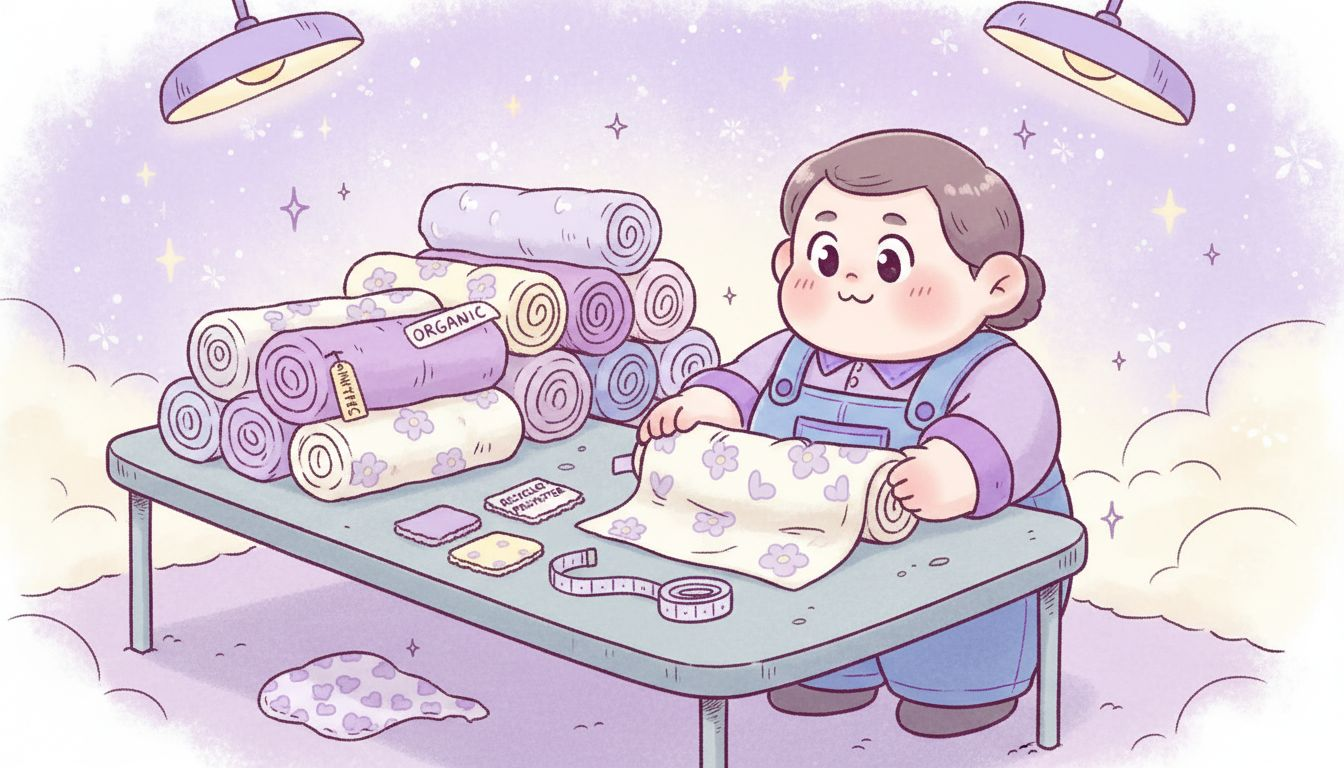
Innovative plush categories now include specialised therapeutic designs, sensory regulation toys, and collectible limited-edition companions. These modern plushies are engineered with precise attention to texture, weight, and emotional resonance. For individuals managing anxiety or ADHD, these aren’t just toys - they’re carefully designed emotional support tools that provide tangible comfort and stress mitigation.
Here’s a comparison of contemporary plush toy categories based on core design objectives:
| Plush Category | Primary Focus | Typical Materials | Key Emotional Benefit |
|---|---|---|---|
| Classic Stuffed Animals | Traditional comfort | Mohair, polyester | General soothing |
| Therapeutic Plush Toys | Emotional regulation | Organic cotton, hypoallergenic fibres | Anxiety and sensory relief |
| Sensory Regulation Toys | Tactile and sensory support | Specialised textured textiles | Sensory grounding |
| Interactive Collectibles | Multisensory engagement | Mixed fabrics, electronics | Personalised emotional support |
Pro Tip for Plush Enthusiasts: When selecting a therapeutic plush, prioritise materials, design complexity, and emotional connectivity over pure aesthetic appeal. A genuinely supportive plush should offer immediate sensory comfort and feel like a personalised emotional companion.
How Interactive Features Support Wellbeing
Interactive plush toys have emerged as powerful tools for emotional regulation and psychological support, transcending traditional notions of simple playthings. Plush toys serve as critical transitional objects, providing crucial comfort during challenging or unfamiliar situations, particularly for individuals managing anxiety, neurodevelopmental conditions, or sensory processing differences.
These sophisticated companions integrate multiple interactive features designed to support mental wellbeing. Some incorporate gentle vibration patterns that mimic calming breathing rhythms, while others include embedded sound modules with relaxation recordings or soft ambient noise. Ensuring material safety remains paramount in creating therapeutic interactive plush toys, as the physical interaction is as important as the emotional connection.
Research demonstrates remarkable psychological benefits of interactive plush technologies. Medical studies have shown that specialised plush companions can significantly reduce stress responses, provide sensory grounding during overwhelming moments, and create a sense of predictable emotional safety. For individuals with ADHD or anxiety, these interactive features offer a tangible, immediate mechanism for emotional self-regulation that goes beyond traditional therapeutic approaches.
Pro Tip for Interactive Plush Selection: When choosing an interactive plush companion, prioritise designs that offer multiple sensory engagement modes and demonstrate a nuanced understanding of emotional support mechanisms. A truly effective interactive plush should feel like a personalised, responsive emotional support tool.
Materials, Design, and Construction Process
Plush manufacturing represents a sophisticated blend of artistic design and precise technical engineering, transforming raw materials into emotionally resonant companions. The creation of custom plush toys follows a meticulously structured process involving multiple critical stages, from initial concept development to final production refinement.
Fabric Selection plays a crucial role in determining the plush’s sensory and emotional impact. Manufacturers carefully evaluate materials based on softness, durability, hypoallergenic properties, and therapeutic potential. Modern plush production integrates advanced textile technologies, using specially engineered fabrics that provide optimal tactile experiences for individuals with sensory processing needs.
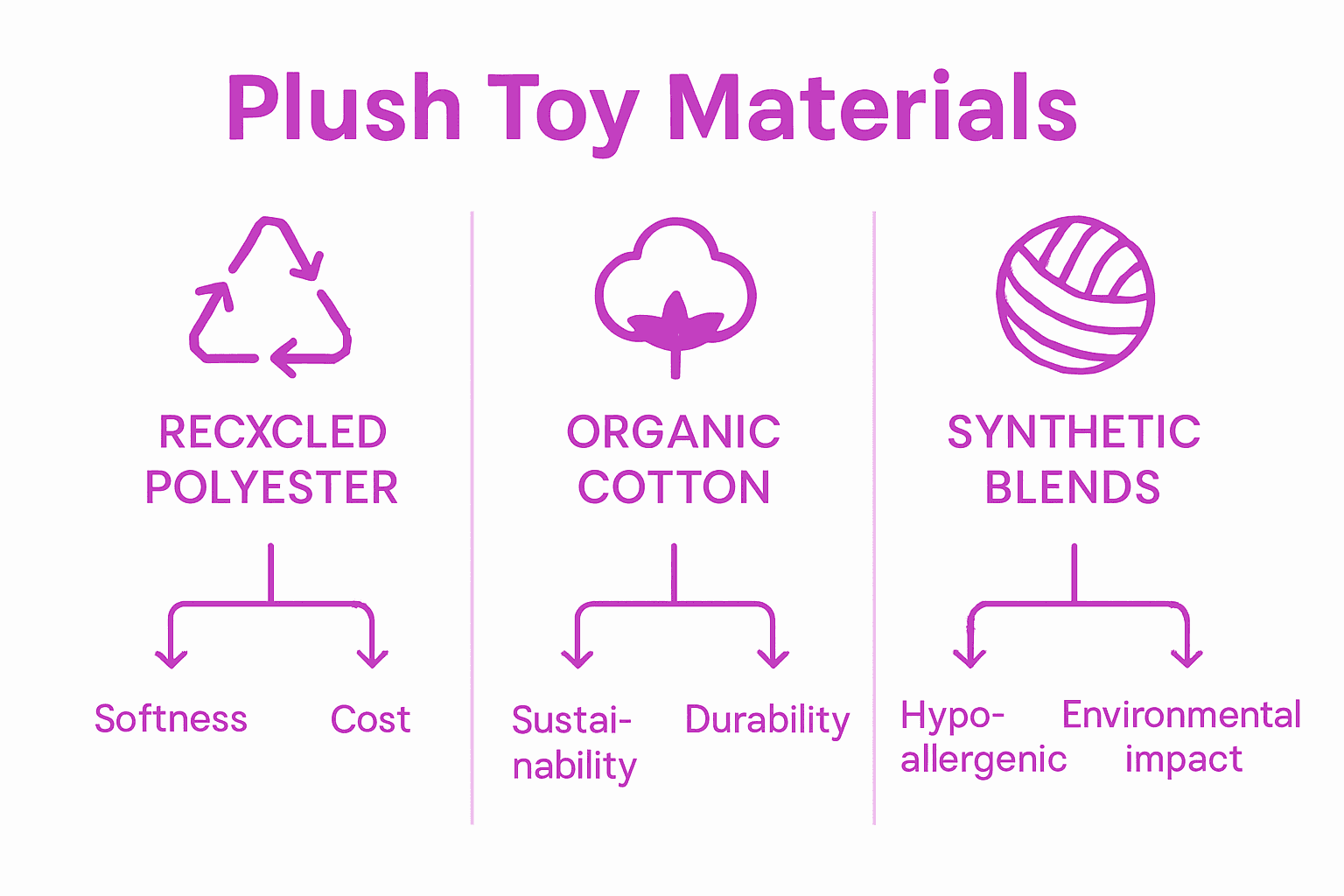
Manufacturing processes blend automated machinery with skilled craftsmanship, ensuring consistent quality and intricate design details. The typical production workflow involves precise fabric cutting, strategic stitching techniques, carefully measured stuffing processes, comprehensive quality inspections, and delicate finishing touches like specialised embroidery. Brands like MOMORO focus on creating plush companions that go beyond traditional toy manufacturing, emphasising emotional support and sensory engagement.
Pro Tip for Material Selection: Always prioritise textiles that offer both emotional comfort and structural integrity. A truly exceptional plush companion should feel soft yet resilient, providing consistent sensory support through repeated interactions.
UK Safety Standards and Compliance Essentials
Plush manufacturing in the United Kingdom operates under stringent safety regulations designed to protect consumers, particularly children and individuals with specific sensory needs. Plush Authenticity Standards form a critical framework ensuring that collectible companions meet rigorous health and safety requirements.
Regulatory Compliance encompasses multiple critical dimensions for plush toy production. Manufacturers must adhere to British Standards Institution (BSI) guidelines, which mandate comprehensive testing for potential hazards such as choking risks, flammability, chemical composition, and structural integrity. These regulations are particularly crucial for therapeutic plush items designed for individuals with neurodevelopmental conditions, where material safety directly impacts user wellbeing.
Key safety considerations include precise material selection, toxicological assessments, and mechanical testing. Plush toys must undergo extensive evaluations to ensure they do not contain harmful substances like phthalates, lead, or other potentially dangerous chemicals. For specialised therapeutic plushies, additional scrutiny is applied to assess sensory properties, durability, and potential psychological impacts. Brands like MOMORO prioritise these standards, recognising that safety extends beyond physical construction to encompass emotional and neurological support.
Below is an overview of essential UK safety compliance components for plush toys:
| Compliance Area | Example Requirement | Significance for Users |
|---|---|---|
| Chemical Safety | Free from phthalates/lead | Prevents health risks in children |
| Flammability | Passes BSI flame tests | Reduces risk of fire-related harm |
| Mechanical Integrity | Withstands pulling and wear | Ensures longevity and user safety |
| Sensory Assessment | Assessed for overstimulation | Protects those with sensitivities |
Pro Tip for Safety Verification: Always request comprehensive safety certification documentation when purchasing therapeutic or collectible plush companions. A reputable manufacturer will readily provide detailed testing reports that demonstrate compliance with UK safety standards.
Common Pitfalls and Quality Control Measures
Plush manufacturing demands meticulous attention to detail, with numerous potential challenges that can compromise product integrity and therapeutic effectiveness. Ethical manufacturing practices play a crucial role in mitigating risks associated with production processes, ensuring both product quality and consumer safety.
Manufacturing Vulnerabilities encompass multiple critical areas of potential failure. Material inconsistency represents a significant risk, where variations in fabric quality, stuffing density, or stitching techniques can dramatically impact a plush toy’s sensory properties and durability. For therapeutic plushies designed to support individuals with neurodevelopmental conditions, even minor manufacturing deviations can substantially reduce the item’s emotional support capabilities.
Comprehensive supply chain management is essential for mitigating manufacturing pollution and maintaining rigorous quality standards. Advanced quality control measures include systematic material testing, batch sampling, stress testing for structural integrity, and detailed sensory assessments. Brands like MOMORO implement multi-stage inspection processes that evaluate not just physical attributes, but also the potential psychological impact of their plush companions.
Pro Tip for Quality Verification: Always request detailed manufacturing documentation and conduct hands-on sensory assessments before selecting a therapeutic plush companion. A high-quality plush should demonstrate consistent texture, robust construction, and an immediate sense of emotional comfort.
Discover Calming Collectibles Designed for Emotional Wellbeing
The article highlights the powerful role of plush manufacturing in creating soft companions that offer emotional regulation and sensory comfort. Many individuals managing anxiety, ADHD and sensory processing challenges often seek toys that provide tangible relief and a personalised sense of calm. Recognising the importance of texture, interactive features and thoughtful design to support wellbeing, you can explore plush toys that are much more than traditional companions.
Experience the unique fusion of comfort, technology and creativity at Shop Japanese-Inspired Plush Toys for ADHD & Anxiety – MOMORO & Friends. Each limited-edition interactive collectible brings soothing multisensory engagement powered by NFC technology. These plush companions are crafted to offer consistent sensory support with safe, hypoallergenic materials following strict UK standards. Embrace the chance to own a collectible that understands your emotional needs.
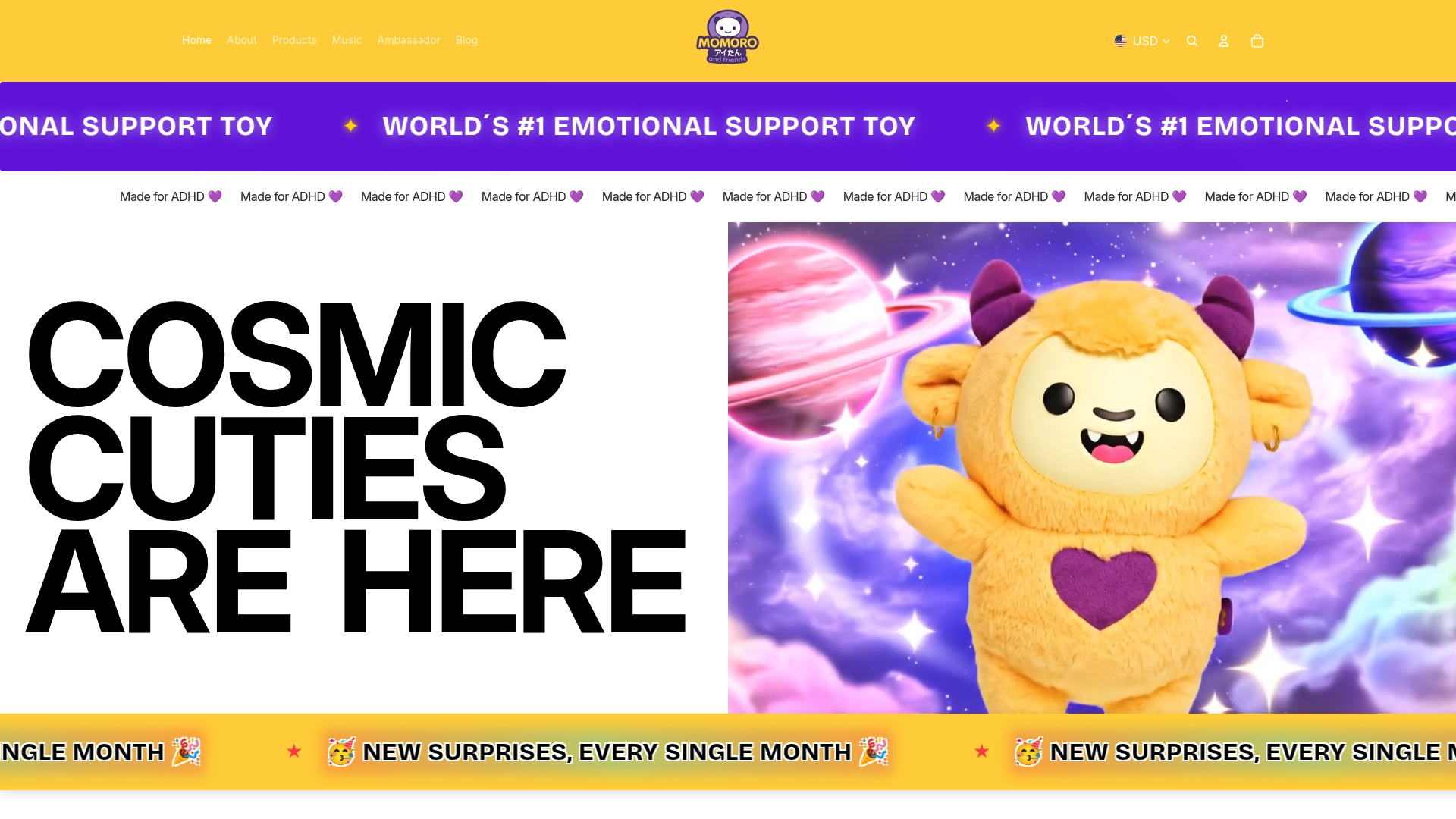
Start your journey to stress relief today and explore the thoughtfully created collection at MOMORO. Don’t miss out on these limited runs designed to blend heartfelt design with effective emotional support. Visit https://momoro.store now and choose your calming companion that feels like a true friend.
Frequently Asked Questions
What materials are commonly used in plush manufacturing?
Plush manufacturing typically uses materials like mohair, synthetic fibres, organic cotton, and hypoallergenic textiles to ensure comfort and safety for users, especially those with sensory needs.
How do interactive plush toys support emotional wellbeing?
Interactive plush toys incorporate features such as gentle vibrations, sound modules, and sensory engagement mechanisms that provide emotional support and help individuals with anxiety, ADHD, or sensory processing differences better regulate their emotions.
What are the key benefits of therapeutic plush toys?
Therapeutic plush toys are designed to provide emotional regulation and stress relief, making them valuable tools for individuals managing anxiety or neurodevelopmental conditions. They offer tactile comfort and create a sense of safety during stressful situations.
What safety standards do plush toys need to meet?
Plush toys must comply with stringent safety regulations which include chemical safety assessments, flammability testing, and mechanical integrity evaluations, ensuring they are free from harmful substances and safe for therapeutic use.
Recommended
- Discover 7 Key Benefits of Plush Collectibles for Calm – MOMORO & Friends
- 7 Types of Emotional Support Plushies for Calm and Comfort – MOMORO & Friends
- Multisensory Plush: Enhancing Calm for ADHD & Anxiety – MOMORO & Friends
- Plush Authenticity: Safeguarding Calm and Trust for ADHD – MOMORO & Friends