

Collecting small, joyful treasures is more than a quirky habit for many neurodivergent young adults in the United Kingdom. When you find comfort in lining up your favourite plushes or displaying quirky vinyl figures, you are actually tapping into a form of self-care that does wonders for emotional well-being. Collecting supports emotional well-being through stress reduction, cognitive stimulation, and social connection, offering a mood-lifting escape from daily anxiety. Discover how these unique items can genuinely transform your space and your headspace.
Table of Contents
- What Are Mood-Lifting Collectibles?
- Major Types and Key Features
- How Collectibles Support Emotional Well-Being
- Practical Uses for ADHD and Anxiety
- Choosing and Using Collectibles Effectively
Key Takeaways
| Point | Details |
|---|---|
| Mood-lifting collectibles enhance mental health | Collecting tangible items triggers dopamine release, providing emotional satisfaction and a sense of achievement, particularly beneficial for ADHD and anxiety. |
| Intentional selection is crucial | Choosing items that resonate personally fosters emotional connections, ensuring the mood-lifting effects remain impactful. |
| Curation over clutter | Maintaining a curated collection of meaningful pieces is more effective than accumulating random items, promoting emotional well-being. |
| Utilising collectibles strategically | Leveraging collectibles as grounding objects or tools for focus can help manage anxiety and create a sense of routine. |
What Are Mood-Lifting Collectibles?
Mood-lifting collectibles are small, tangible items you deliberately collect because they make you feel better. They’re not investments or status symbols—they’re tools for your mental health. Think cute vinyl figures, squishy plushes, miniature toys, or small decorative pieces that genuinely spark joy when you look at them.
They work because collecting engages your brain in a way that reduces stress. You’re not scrolling endlessly or doom-scrolling; you’re focussing on something tactile, visual, and personal. That immersive, focused activity creates a natural state of calm that helps settle racing thoughts, especially for ADHD minds.
Why They Matter for ADHD and Anxiety
For neurodivergent brains, mood-lifting collectibles offer something structured yet soothing. They give you a tangible goal to work towards without pressure. Unlike hobbies that demand your full attention, collecting lets you engage at your own pace.
Each new piece you find triggers a small dopamine hit, which is exactly what ADHD brains crave. You get that sense of achievement without the overwhelm. Brands like Popmart, Sonny Angel, and Smiski have built massive followings because they understand this—they’re designed to be desirable, affordable, and endlessly collectible.
Here’s what makes them different from random impulse buys:
- They’re intentional: You choose what speaks to you, not what trends suggest
- They’re calming: Handling a soft plush or examining a detailed figure is genuinely soothing
- They’re yours: Each collection tells your personal story and emotional journey
- They reduce overwhelm: A few curated pieces beat a chaotic pile of random stuff
The Emotional Connection
Collectibles aren’t just objects. Items hold sentimental and emotional value because they represent memories, moments, and pieces of your identity. That cute Smiski you bought during a stressful week? It becomes a physical reminder that you got through something.
They create a sense of order when life feels chaotic. Your collection becomes a small space you control completely. For anxious minds, that matters more than it sounds.
What Counts as a Mood-Lifting Collectible?
There’s no gatekeeping here. If it makes you smile, it counts. Common picks include:
- Miniature plush toys and figures
- Blind box collections (Popmart, Top Toy, Mighty Jaxx)
- Cute desk ornaments or shelf displays
- Themed collectible sets
- Anything small enough to carry but meaningful enough to treasure
The best ones feel good to touch, look at, or hold. Texture matters. Weight matters. How they make you feel matters most.
Collecting is fundamentally about self-expression and finding emotional meaning in the items you choose—that’s where the real mental health benefit lives.
Pro tip: Start by collecting items that genuinely make you feel calm or happy right now, rather than chasing trending sets or what others collect—your authentic preference is what keeps the mood-lifting effect alive.
Major Types and Key Features
Mood-lifting collectibles come in different flavours, and understanding the types helps you find what actually resonates with you. Not all collectibles work the same way for ADHD brains, so knowing the distinctions matters.
Physical Collectibles
Physical items are tangible, which is their superpower for focus and anxiety. You can hold them, arrange them, and feel that satisfying weight in your hand. These include plush toys, vinyl figures, blind box surprises, and limited-edition figurines.
Popmart’s blind box model is genius for ADHD because you get the thrill of discovery without endless scrolling. Sonny Angel, Smiski, and Mighty Jaxx all follow this approach—small, affordable, and endlessly collectible. Each one has personality built into its design.
The best physical collectibles share these characteristics:
- Tactile quality: Soft plushes or smooth figures feel good to handle
- Visual appeal: Colours, details, or cute expressions trigger positive emotions
- Compact size: Small enough to carry, display, or travel with easily
- Affordable rarity: Limited editions without breaking the bank
Digital and Hybrid Collectibles
Collectibles vary from physical objects to virtual items, and the mood-lifting effect works differently for each type. Digital collectibles appeal to some neurodivergent folks because there’s no physical clutter, but they lack the tactile calming element.
Hybrid models—like MOMORO’s NFC-enabled plush approach—combine both worlds. You get the physical comfort of a plush toy plus digital rewards and functional features. That’s genuinely useful for ADHD minds that need both sensory input and practical organisation.
Virtual collectibles work if you’re minimalist or space-constrained, but they don’t provide the same grounding effect as holding something real.
To clarify the main types of mood-lifting collectibles and their distinctive value, see the comparison below:
| Type of Collectible | Sensory Experience | Benefit for ADHD/Anxiety | Practical Consideration |
|---|---|---|---|
| Physical | Tactile and visual | Provides grounding and calm | Needs display/storage space |
| Digital | Visual only | Reduces clutter, easy access | Lacks tactile soothing effect |
| Hybrid | Both tactile and visual, plus interactive elements | Combines sensory and functional benefits | Requires compatible devices for digital features |
What Makes Them Work
Key features like exclusivity and sentimental significance strengthen emotional bonds and create achievement. The best mood-lifting collectibles combine:
- Limited availability: Makes you feel special for having it
- Personal meaning: Connects to your interests or current emotions
- Aesthetic quality: Worth displaying because it genuinely looks good
- Collectibility: Encourages you to keep hunting without pressure
The real magic isn’t in owning one piece—it’s in the journey of building your collection and how each addition makes you feel.
Curated vs. Chaotic Collections
The mood-lifting part depends on curation. A carefully chosen handful of pieces beats a massive hoard that feels overwhelming. Quality over quantity keeps the dopamine hit fresh and the emotional value high.
ADHD brains thrive with intentional collections where every item has meaning. Avoid collecting just to fill space. That defeats the purpose and creates more visual noise.
Pro tip: Display only the pieces that genuinely spark joy right now, and rotate others out of sight—this keeps your collection feeling fresh and prevents decision fatigue every time you look at your shelf.
How Collectibles Support Emotional Well-being
Collectibles aren’t just clutter. They’re emotional anchors that genuinely help you feel better when things get overwhelming. For ADHD and anxious brains, this matters more than most people realise.
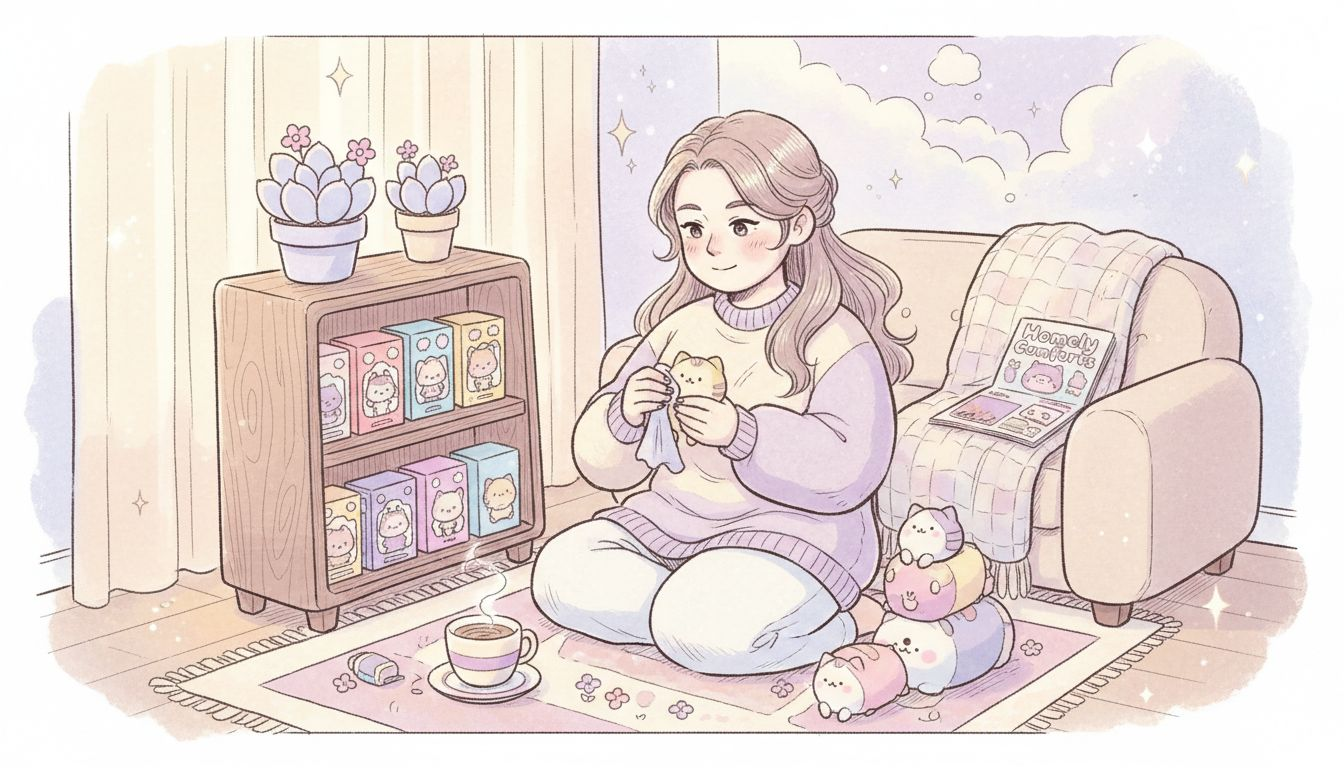
When you’re actively collecting, your brain enters a flow state. You’re focussed on something tangible without the pressure of performance. That mental shift away from racing thoughts or anxiety spirals is healing in itself.
The Stress-Relief Mechanism
Collecting induces a state of flow through focused activity, which naturally distracts from anxiety and worry. You’re not doom-scrolling or catastrophising—you’re hunting for the next piece, examining details, or admiring your current collection.
That immersive focus works like a pressure release valve for ADHD minds. Instead of fighting your brain’s need for stimulation, collecting feeds it healthily. You get the dopamine hit without the crash that comes from more destructive habits.
Here’s what happens in your nervous system:
- Your attention locks onto something specific and enjoyable
- Racing thoughts quiet down naturally
- Cortisol levels drop as you engage in a calming activity
- You build a sense of accomplishment without effort
Emotional Anchoring and Control
Collectibles serve as transitional objects that provide comfort and stability during emotional fluctuations. When life feels chaotic, your collection becomes a small space you completely control.
That control is crucial for anxious brains. You decide what goes in it, how to display it, and what it means. It’s yours in a world where much feels uncertain.
Each piece also becomes a physical memory marker. That Smiski you grabbed during a rough patch? It’s proof you got through something. Your collection tells your emotional story without words.
Building Self-Esteem Through Achievement
Collecting provides safe achievement. You’re not competing or failing—you’re just gathering things you love. Every new addition is a win, no matter how small. For ADHD brains that struggle with traditional markers of success, this matters.
You also boost self-esteem by creating something meaningful. Your collection reflects your taste, values, and interests. That’s a form of self-expression that builds confidence over time.
The emotional value of what you collect anchors you to your own inner world, making external chaos feel more manageable.
Real-Life Impact
Think about how you feel when you look at your collection. That warm feeling—that’s psychological resilience being built. You’re strengthening your ability to self-soothe and find calm independently.
This is why collectibles support focus for adults with ADHD genuinely works. It’s not frivolous. It’s practical emotional health.
Here is a summary of how mood-lifting collectibles support emotional well-being throughout daily life:
| Positive Effect | How It Manifests | Why It Helps |
|---|---|---|
| Emotional Anchoring | Items evoke positive memories | Provides stability in chaos |
| Achievement Boost | Curating and completing sets | Encourages self-worth |
| Focus and Flow State | Engaging in collecting tasks | Reduces anxiety and stress |
| Daily Comfort and Soothing | Handling cherished objects | Offers immediate calmness |
Pro tip: Keep your most emotionally meaningful pieces visible and accessible—not locked away—so you can glance at them when you’re feeling overwhelmed and remind yourself of your wins.
Practical Uses for ADHD and Anxiety
Collectibles aren’t just pretty things to look at. They’re functional tools for managing ADHD and anxiety symptoms when you know how to use them intentionally. This is where the real-world benefit kicks in.
Structured Searching and Sorting
Searching, sorting, and organising collectibles help manage ADHD symptoms by providing routine and reducing stress through a sense of accomplishment. The ritual itself is therapeutic—you’re not just acquiring items, you’re creating structure around them.
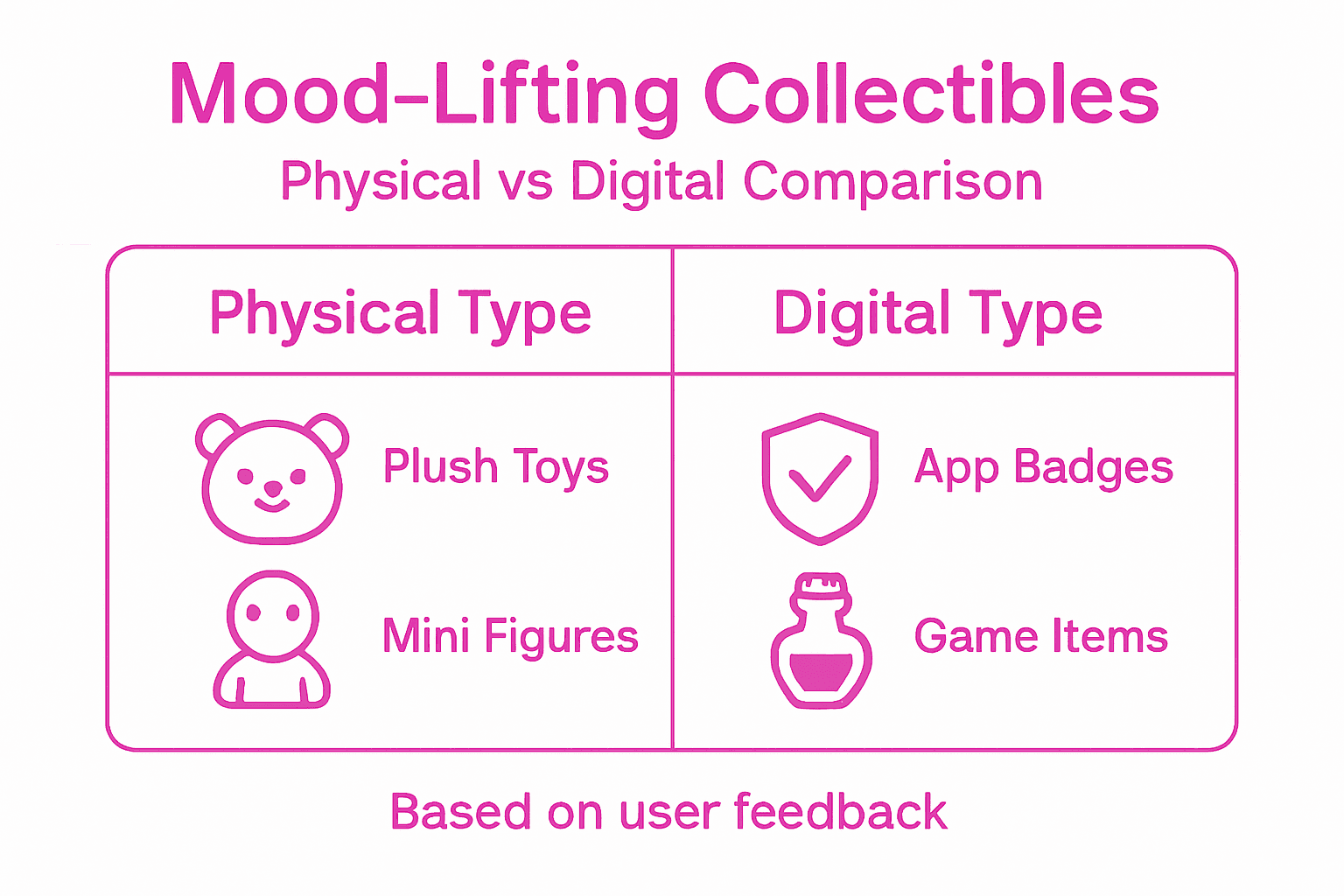
For ADHD brains that struggle with organisation, this matters. Instead of facing a blank page or overwhelming task list, you have a specific, engaging activity. You hunt for missing pieces, arrange them by theme or colour, or rotate displays seasonally.
These rituals work because they:
- Provide clear, achievable goals without pressure
- Break larger tasks into smaller, manageable steps
- Create repetitive, calming motion and focus
- Build a sense of progress and completion
Anxiety Management Through Focus
When anxiety hits, your brain spins. Collecting redirects that mental energy into something concrete. You’re not ruminating—you’re deciding which new piece to hunt for next or where to display your latest find.
That shift in attention is powerful. You’re essentially giving your anxious brain a job, which paradoxically makes it quieter. It’s like the difference between lying awake worrying and actually tackling something on your to-do list.
Keeping a small collectible on your desk or in your bag also works as a grounding object. When you feel anxiety rising, holding it—feeling the texture, examining the details—anchors you to the present moment.
Building Routine and Predictability
ADHD thrives on routine. Regular collecting activities—checking new releases, adding to your display, searching for specific pieces—create predictable rituals. These rituals signal safety to your nervous system.
Monthly blind box drops become something you anticipate. Weekly hunts through online shops become part of your rhythm. That predictability reduces decision fatigue and anxiety about “what should I be doing right now?”
Immediate Calming Techniques
Use collectibles as active coping tools:
- Hold one when you’re feeling restless or anxious
- Arrange or rearrange pieces when you need to burn nervous energy
- Examine the details closely to redirect racing thoughts
- Set a collecting goal for the week to give yourself structure
The practical magic isn’t just in owning collectibles—it’s in using the act of collecting itself as a symptom management strategy.
Miniso’s affordable collections, Popmart’s blind boxes, and MOMORO’s functional plushes all work differently for different situations. Some days you need something to hold. Other days you need the hunt. Having options matters.
Pro tip: Designate one easily accessible spot for a “comfort collectible” you can grab during anxiety spikes, rather than keeping everything display-only—touchable pieces are working pieces.
Choosing and Using Collectibles Effectively
Not every collectible works for every person. The secret to getting real mood-lifting benefits is choosing pieces with intention and using them in ways that actually serve your mental health.
Start by asking yourself: What makes me genuinely happy? Not what’s trending. Not what others collect. What makes you smile when you see it?
The Personal Meaning Factor
Choosing collectibles with emotional significance amplifies their mood-lifting power because the attachment involves subjective value and personal meaning. A piece you love beats an expensive piece you’re indifferent about every single time.
Think about what speaks to you emotionally. Maybe it’s a character that represents something you value. Maybe it’s colours that calm you. Maybe it’s the memory of finding it during a difficult week. That’s where the real healing happens.
When choosing pieces, focus on:
- Items that genuinely make you smile or feel calm
- Colours, textures, or themes that resonate with you personally
- Pieces connected to positive memories or moments
- Collectibles that match your actual space and lifestyle
Avoiding Collector’s Overwhelm
ADHD brains can get caught in collection spirals where quantity becomes the goal instead of quality. You end up with piles of stuff that no longer spark joy. That defeats the purpose entirely.
Set boundaries before you start collecting. Decide on a reasonable number—maybe 10 pieces, maybe 20. Decide on a budget that doesn’t stress you. These limits protect your mental health and your wallet.
Rotate your collection seasonally. Keep some pieces out and some stored. This keeps things feeling fresh without the visual overwhelm of displaying everything at once.
Practical Display and Accessibility
Your collection only works if you engage with it. Pieces locked away in boxes provide zero mood-lifting benefit. Display them somewhere you see regularly. Keep your favourites at eye level and within reach.
Miniso’s compact organisers, Popmart’s display cases, and MOMORO’s functional designs all work because they make accessibility easy. Your collection should be touchable, viewable, and part of your daily life.
Building Your Personal System
Create a simple routine around your collection:
- Choose a weekly or monthly check-in time to admire pieces
- Set a reasonable budget for new acquisitions
- Organise by theme, colour, or feeling if it brings you joy
- Remove pieces that no longer serve you—no guilt
The real skill isn’t collecting more—it’s choosing wisely and using what you have in ways that genuinely calm your mind.
Different pieces serve different purposes. Some are for display, some for holding during anxiety, some for the thrill of the hunt. Understanding what each piece does for you helps you use your collection strategically.
Pro tip: Choose one piece to be your primary grounding collectible—something portable and soothing you carry or keep near—and build the rest of your collection around supporting that core emotional anchor.
Discover Mood-Lifting Companions Designed for ADHD Minds
Mood-lifting collectibles offer a unique way to reduce overwhelm, create emotional anchors and build calm routines. If you find comfort in tactile, intentional collections that support your focus and soothe anxiety as described in the article, then MOMORO provides a perfect next step. Our 5-in-1 interactive plush combines the calming power of physical collectibles with functional daily tools that help manage ADHD and anxiety effectively.
Experience the benefits:
- Tangible sensory comfort with a soft, portable plush
- Monthly digital gifts designed to reduce mental clutter
- Practical features like phone and key holders for seamless organisation
Explore our Japanese-Inspired Plush Toys for ADHD & Anxiety – MOMORO & Friends and discover how intentional collectibles can do more than spark joy. They can become tools for emotional regulation and focused calm. Take control of your mental wellbeing by visiting MOMORO.store today and find your new mood-lifting companion.
Frequently Asked Questions
What are mood-lifting collectibles?
Mood-lifting collectibles are small items that spark joy and provide emotional comfort. They include things like cute figures, plush toys, and decorative pieces collected intentionally for their positive impact on mental health.
How do mood-lifting collectibles help with ADHD and anxiety?
These collectibles engage the brain in a focused manner, reducing stress and promoting calm. The act of collecting provides structure and small dopamine hits, making it easier to manage symptoms like racing thoughts and overwhelm.
What types of mood-lifting collectibles are most effective?
Effective mood-lifting collectibles typically include physical items such as plush toys, blind box figures, and decorative pieces. They are tactile, visually appealing, and can evoke personal memories, enhancing their emotional value.
How can I start my own mood-lifting collectible collection?
Begin by selecting items that genuinely make you feel happy or calm. Focus on pieces that resonate with your personal interests or emotions, and consider establishing a routine for curating and displaying your collection.
Recommended
- Top 8 ADHD Toy Picks for Focus and Fun in 2026 – MOMORO & Friends
- Why Collectable Toys for Adults Support Focus – MOMORO & Friends
- Purpose of Collectible Toys: Impact on ADHD and Anxiety – MOMORO & Friends
- Benefits of Blind Box Plush Toys for Calming ADHD – MOMORO & Friends
- Cozee Bay - 8 Creative Bamboo Organizer Design Ideas for Your Home