

Every busy workday can feel like a juggling act when your ADHD and anxiety just will not cooperate. Stress piles up fast, and the old advice to just “relax” hardly cuts it. That is why more British young professionals are reaching for collectibles with emotional value to ground their thoughts and create spaces of calm. Discover how thoughtfully chosen anxiety collectibles offer more than just distraction—they become real tools for focus, comfort, and managing anxiety wherever life takes you.
Table of Contents
- Collectibles For Anxiety: Core Definition And Myths
- Types Of Calming Collectibles For Anxiety Relief
- How Collectible Items Support Focus And Calm
- Comparing Collectibles To Other Anxiety Aids
Key Takeaways
| Point | Details |
|---|---|
| Collectibles are Interactive Tools | They are small, tactile items that help ground you during stress, offering emotional connection and focus. |
| Myths Surrounding Collectibles | Contrary to popular belief, these tools are not just for children and using them signifies strength, not weakness. |
| Types of Effective Collectibles | Key types include soft, sensory, blind box, and weighted collectibles, each catering to different calming needs. |
| Complementary Role of Collectibles | They are not substitutes for therapy but serve as practical tools for immediate anxiety management and focus enhancement. |
Collectibles for Anxiety: Core Definition and Myths
Collectibles for anxiety aren’t some new wellness trend—they’re items (usually small, tactile objects) that help ease stress and calm an overactive mind by giving your hands and brain something purposeful to focus on. Think fidget toys, plush collectibles, or small figurines. The key difference between random stuff you own and true anxiety collectibles is the intentional emotional connection you build with them.
Let’s start by squashing some myths that stop people from actually using collectibles as a legitimate tool.
What Collectibles for Anxiety Actually Are
Collectibles for anxiety are small, touchable objects designed (or repurposed) to ground you during stress, boost focus, and create a ritual of calm. They’re not decoration. They’re interactive anchors for your nervous system.
The core benefit? Collectibles carry emotional value that reduces stress by building identity, evoking positive memories, and providing a sense of achievement and discovery. When you hold something meaningful, your brain literally shifts gears—from fight-or-flight mode to a more regulated state.
They work because they give your busy ADHD mind something tactile to grip. Not in a desperate way. In a grounded, purposeful way.
Here’s what actually matters:
- Tactile feedback—something you can feel and manipulate with your hands
- Low stakes—no pressure to use it “correctly” or perform with it
- Portability—you can carry it everywhere (in a pocket, on a keychain, in your bag)
- Personal meaning—it resonates with you emotionally or aesthetically
Common Myths That Keep You Stuck
Myth 1: Anxiety collectibles are “just for kids.”
Not even close. Adults aged 22–35 are the fastest-growing collectible market. Brands like Popmart, Smiski, and Sonny Angel built entire communities around adult collectors managing stress and anxiety. You’re not childish for wanting something soothing to hold.
Myth 2: Using collectibles means your anxiety is weak or you can’t handle it.
This is the big one. Anxiety is a normal human response—not a character flaw. Using tools to manage it is strength, not weakness. Seeking support (including unconventional stuff like collectibles) is what resilient people do.
Myth 3: They only work if you’re “obsessed” with collecting.
You don’t need 50 items. One meaningful collectible you actually carry and touch regularly does more than a shelf of neglected figures. Quality connection beats quantity every time.
Myth 4: Collectibles are just distraction, not real help.
Here’s the truth: grounding tools work because they interrupt the anxiety loop. When your mind is spiralling, having something tangible to focus on—something with texture, weight, and movement—genuinely shifts your nervous system state. It’s not avoidance. It’s regulation.
Education about anxiety as a treatable, common condition removes shame and opens the door to actually trying solutions that work for your brain.
Why This Matters for Your Brain
Your busy mind needs sensory anchors—something to hold attention without demanding performance. A collectible fills that gap perfectly.
When you’re overwhelmed at work, sitting in a meeting, or stuck in anxious thoughts at 2 a.m., a collectible gives your brain permission to pause. Not escape. Pause. That pause is where actual calming happens.
Using a tactile collectible isn’t weakness—it’s choosing a tool that helps your nervous system regulate itself.
Pro tip: Choose one collectible that genuinely appeals to you—something you actually want to carry and touch—rather than collecting randomly. The emotional connection matters more than the item itself.
Types of Calming Collectibles for Anxiety Relief
Not all collectibles work the same way for anxiety. Some calm you through touch, others through visual appeal, and some through the ritual of collecting itself. Finding the right type for your brain matters way more than grabbing whatever’s trending on Miniso this week.
Here’s what actually works and why.
Soft and Tactile Collectibles
Plush collectibles and soft toys are the heavyweight champions of anxiety relief. They work because your hands need something to grip, squeeze, and hold when stress hits.
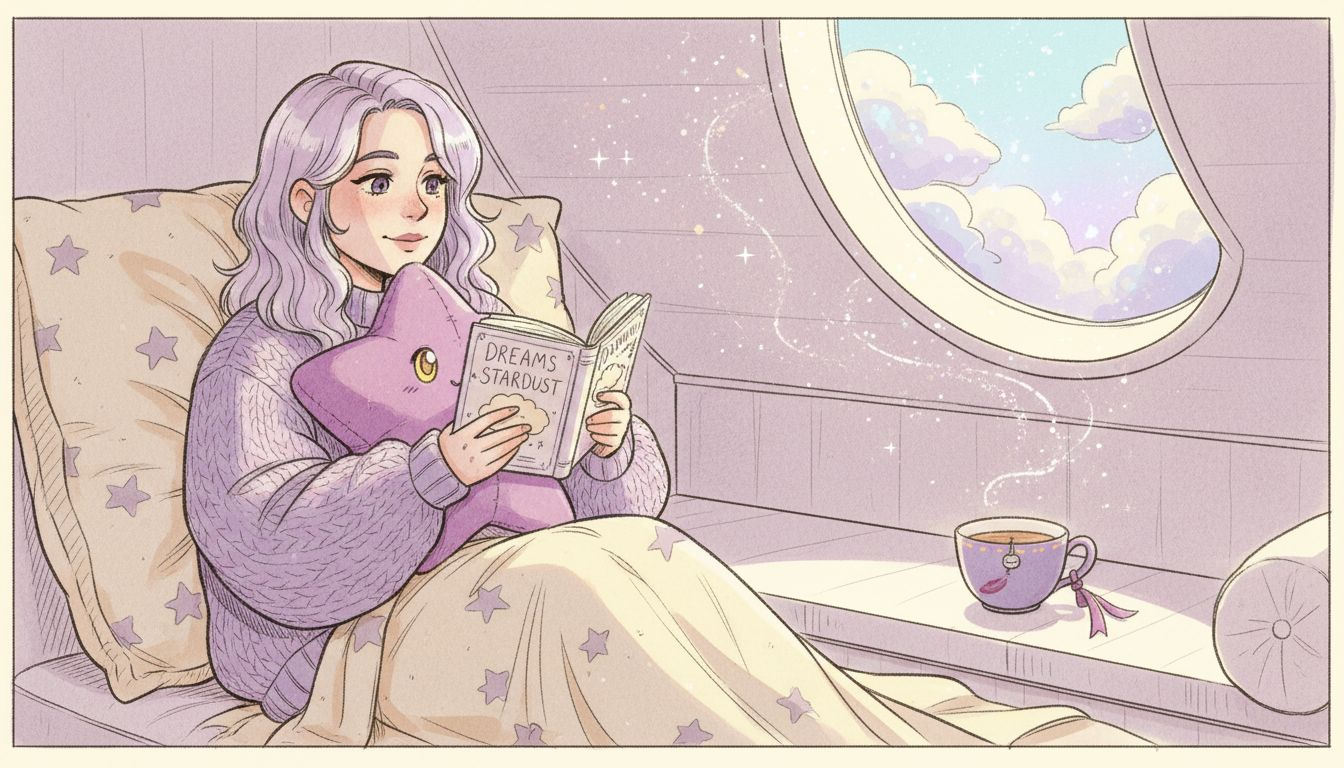
Tactile stimuli like simulated breathing in cushions and soft objects provide calming effects similar to guided meditation. Your nervous system literally responds to texture and gentle pressure. When you’re anxious, squeezing or holding something soft sends a signal to your brain that you’re safe.
Why this type works:
- Pressure feedback—holding something soft and squishy activates your parasympathetic nervous system
- Always accessible—fits in a pocket, bag, or on a keychain
- Zero performance pressure—there’s no “right” way to use it
- Variety—plush collectibles come in hundreds of designs from Popmart, Miniso, and indie makers
Plush collectibles offer multiple benefits for your overall well-being, from stress relief to improved focus during work or study sessions.
Sensory and Fidget Collectibles
Fidget toys and sensory objects appeal to your need for movement and tactile exploration. These include spinners, pop-its, squishy figurines, and anything with satisfying textures.
Your ADHD or anxious brain often needs stimulation to settle down. It sounds backwards, but it’s true. A little controlled sensory input actually reduces the chaotic sensory noise in your head.
Benefits of this type:
- Movement focus—gives your hands something specific to do
- Repetitive comfort—the repetition itself is soothing
- Portable—designs from brands like Smiski and Mighty Jaxx fit everywhere
- Discreet—you can fidget during meetings without drawing attention
Collectible Blind Boxes
Blind box toys add a psychological layer to anxiety relief: the element of discovery and anticipation.
When you open a blind box, your brain gets a small hit of dopamine. That sense of discovery and the ritual of unboxing creates a mini-achievement moment. Blind box toys designed for calming combine the satisfaction of collecting with genuine stress relief through tactile play and visual appeal.
Why they work:
- Ritual and routine—the unboxing process itself is calming
- Surprise factor—anticipation gives your anxious mind something to focus on
- Collectible drive—building a collection creates purpose and meaning
Weighted and Grounding Collectibles
Weighted collectibles (small, dense items you can hold) ground you physically when anxiety spirals.
Holding something with actual weight activates your sensory system in a way lightweight items don’t. Think weighted fidget cubes or small stone collectibles. The weight itself is grounding.
The best collectible for your anxiety is one you’ll actually carry and use daily—not one that sits on a shelf.
Pro tip: Start with one type that matches your sensory preference: if you love soft textures, go plush; if you need fidget movement, choose sensory toys; if you enjoy rituals, try blind boxes. Your preference tells you what your nervous system actually needs.
To clarify the unique benefits of different collectible types for anxiety, see the comparison below:
| Collectible Type | Best For | Example Brands | Unique Benefit |
|---|---|---|---|
| Soft & Tactile | Stress/panic moments | Popmart, Miniso | Gentle pressure, comforting feel |
| Sensory & Fidget | Restlessness, ADHD | Smiski, Mighty Jaxx | Focuses excess energy discreetly |
| Blind Box | Anticipation relief | Sonny Angel | Ritual of surprise and discovery |
| Weighted & Grounding | Grounding spiralling | Indie makers | Enhanced physical presence |
How Collectible Items Support Focus and Calm
Your brain isn’t broken when it struggles to focus. Sometimes it just needs the right signal to settle down. That’s where collectibles come in. They’re not distraction—they’re focus tools dressed up as cute toys.
Here’s the science bit, then how to actually use it.
The Focus Mechanism
Fidget toys and tactile collectibles improve focus by channelling nervous energy into a controlled physical outlet. When you’re anxious or restless, your brain is screaming for stimulation. A collectible gives your hands something to do, which frees your mind to concentrate on what actually matters.
This isn’t random. When you use a collectible, you’re stimulating neurotransmitters like dopamine and norepinephrine—the exact chemicals responsible for attention and alertness. Your nervous system gets the input it’s craving, so your brain stops demanding it.
The result? Less mental noise. Better focus.
Here’s what happens:
- Sensory satisfaction—your hands get engaged, reducing restlessness
- Reduced psychological discomfort—anxiety quiets down when it has an outlet
- Maintained attention—your mind can focus on the task because the fidget need is met
- No cognitive load—holding a collectible requires zero thinking
Calm Through Emotional Connection
Collectibles create emotional calm that goes deeper than just fidgeting. Collectibles foster emotional connections and personal narratives that contribute to genuine well-being and a sense of identity.
When you develop a connection with a collectible—choosing it, carrying it, touching it regularly—you’re building something meaningful. That emotional anchor is calming in a way generic fidget toys aren’t.
Your collectible becomes:
- A grounding object—something real to hold when anxiety spirals
- A portable ritual—a consistent, comforting action you can repeat anywhere
- A sensory mindfulness tool—the texture and weight pull you into the present moment
- Part of your identity—it reflects your taste and personality
Real-World Focus Gains
Collectibles work best for specific situations. You’re in a meeting where you can’t leave? Hold your collectible. Stuck in anxious spiralling before an important task? Squeeze it for two minutes, then start working.
Adults aged 22–35 often find collectibles especially useful during high-pressure work because they’re discreet. Nobody knows you’re using a focus tool. You’re just holding something small in your hand or on your desk.
This is why collectible toys support adult focus across professional environments, study sessions, and high-stress situations without drawing attention.
A collectible only works if it’s with you when you need it—pocket, bag, or desk, always accessible.
Pro tip: Keep your collectible on your desk during work or in your pocket during meetings so it’s there the moment focus slips or anxiety creeps in—don’t wait until you’re already spiralling.
Comparing Collectibles to Other Anxiety Aids
There’s a whole marketplace of anxiety tools out there. Weighted blankets, adult colouring books, aromatherapy diffusers, fidget spinners—the list goes on. Collectibles are part of this landscape, but they’re not all the same. Here’s how they stack up.
What Makes Collectibles Different
Collectibles combine portability with emotional depth in ways most other anxiety aids don’t. A weighted blanket is brilliant for calming at home. But you can’t carry it to work, on the commute, or into a meeting.
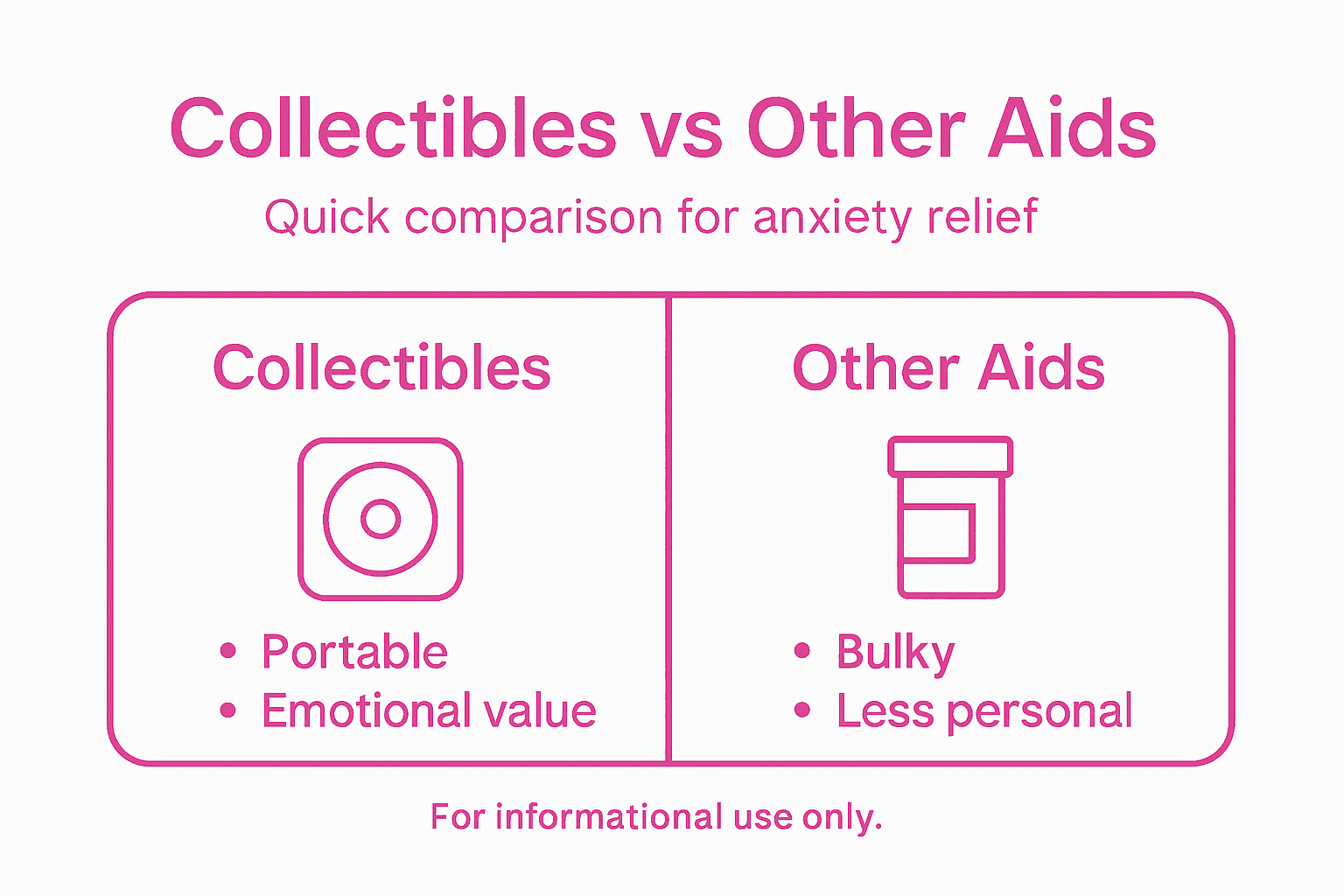
Collectibles go everywhere. They’re small enough to slip into your pocket, carry on your keychain, or keep on your desk. You get the sensory benefit of fidgeting plus the emotional anchor of ownership and personal connection.
Key advantages:
- Always with you—fits in a pocket or bag, ready whenever anxiety hits
- Emotional resonance—you choose it, connect with it, build meaning around it
- Discreet—nobody notices you’re using a calming tool
- Versatile—works in professional settings, social situations, and home environments
The Anxiety Economy Trade-Off
Various anxiety products including collectibles offer accessible self-soothing, but they differ significantly in evidence and effectiveness. Not all anxiety tools are created equal.
Weighted blankets have solid research backing for calming effects—but only when you’re lying down. Aromatherapy can help some people relax—but scent sensitivity varies wildly, and some people find strong scents triggering. Adult colouring books require sitting still and focusing—which doesn’t help if anxiety has you pacing around.
Collectibles work because they meet your brain where it actually is:
- Restless and fidgety? A tactile collectible gives your hands purpose
- Anxious and spiralling? Holding something meaningful grounds you instantly
- In a high-stress meeting? A discreet collectible keeps you regulated without drawing attention
What Collectibles Cannot Do
Let’s be clear about something. Collectibles are not therapy. They’re not medication. They’re complementary tools that help manage anxiety symptoms, not treat the underlying condition.
If your anxiety is severe, intrusive, or affecting your daily functioning, you need professional support. A plush toy can help you stay calm during that therapy appointment—but it can’t replace the appointment itself.
Here’s how collectibles compare to other common anxiety aids in key everyday-use factors:
| Tool Type | Portability | Emotional Connection | Suited Places |
|---|---|---|---|
| Collectibles | Very high | Strong, personal | Everywhere—work or travel |
| Weighted blankets | Low | Moderate | Home setting only |
| Colouring books | Medium | Mild | Desk, quiet spaces |
| Aromatherapy | Medium | Minimal for many | Home, personal areas |
| Fidget spinner | High | Weak if generic | Meetings, commutes |
Think of collectibles like this:
- First line of defence—quick, accessible, always available
- Daily regulation tool—helps you stay grounded during normal stress
- Complement to therapy—supports professional treatment, doesn’t replace it
- Harm-free option—no side effects, no addiction risk
The Real Advantage
Unlike weighted blankets or colouring books, collectible toys have genuine impact on ADHD and anxiety management because they combine sensory regulation with emotional meaning. You’re not just getting a tool. You’re getting something you genuinely want to carry and use.
That personal connection is what separates a collectible from a generic fidget spinner gathering dust on your desk.
Collectibles work best when they’re something you actually choose and connect with, not something you buy because anxiety products exist.
Pro tip: Use collectibles as your first-line daily anxiety management tool, but pair them with professional support if anxiety is significantly impacting your work, sleep, or relationships.
Discover a Calming Companion Designed for Busy Minds
If you have ever felt overwhelmed by anxious thoughts or restless energy, you know how important it is to find grounding tools that truly work. The article emphasises how collectibles for anxiety provide tactile feedback, emotional connection and discreet sensory input to help calm busy minds. But why stop at simple collectibles when you can experience a 5-in-1 interactive solution thoughtfully designed for ADHD and anxiety?
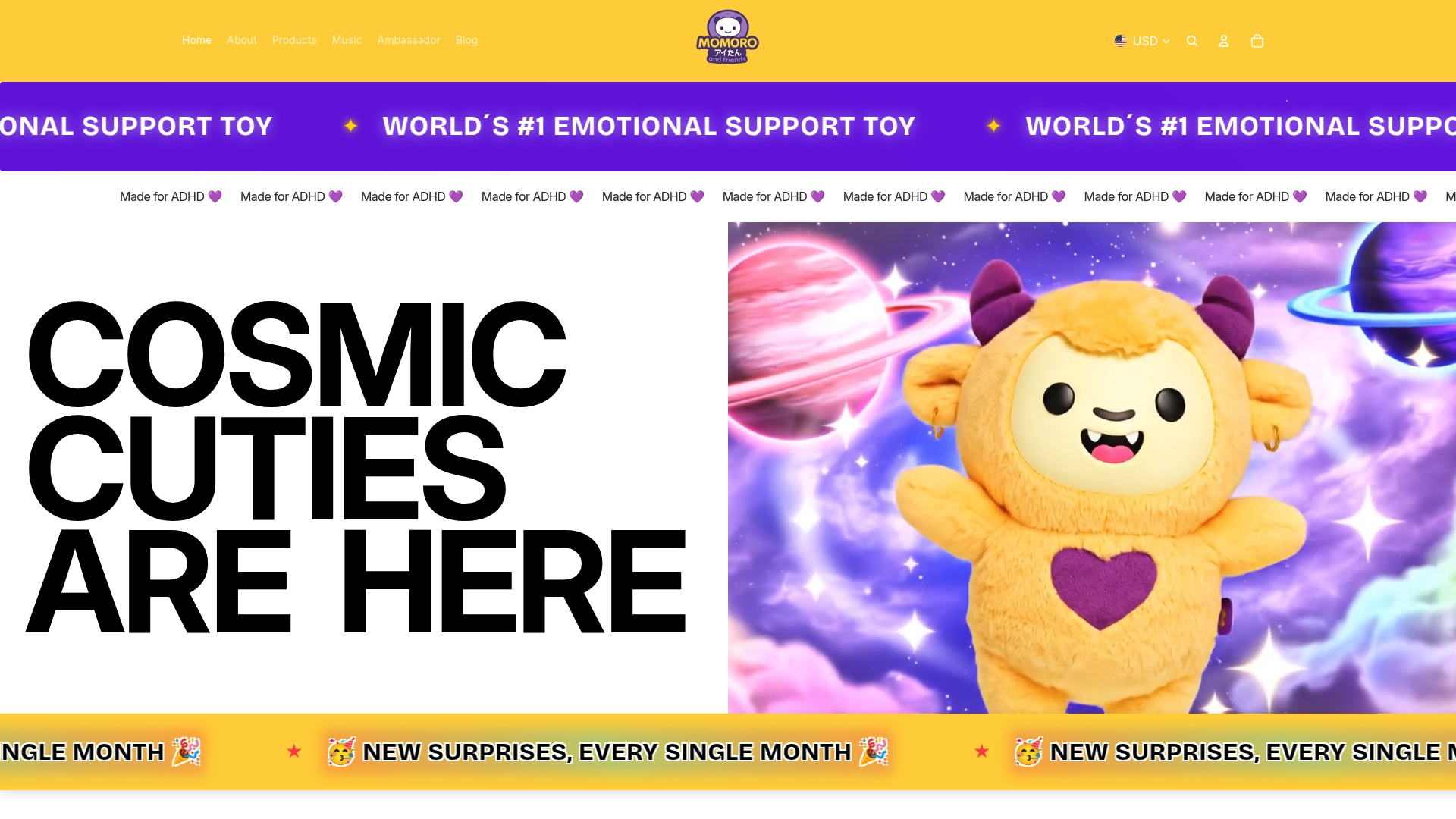
Meet MOMORO a Japanese-inspired plush collectible that goes beyond just holding comfort. It offers monthly calming digital gifts, functions as a keychain and phone holder, organises your essentials and encourages calm daily routines without pressure. With MOMORO you get a personalised emotional anchor that supports focus and self-regulation wherever you go. Start your journey towards a calmer mind today. Explore our Shop Japanese-Inspired Plush Toys for ADHD & Anxiety – MOMORO & Friends or learn more at the MOMORO landing page now.
Frequently Asked Questions
What are collectibles for anxiety?
Collectibles for anxiety are small, tactile objects designed to help ease stress and calm an overactive mind. They serve as interactive anchors, offering emotional value and a grounding experience during times of anxiety.
How do tactile collectibles help with anxiety?
Tactile collectibles, such as plush toys or fidget items, provide sensory feedback that can regulate your nervous system. They give your hands something to manipulate, helping to shift your mind from anxiety to a more grounded state.
Do I need to have a large collection for them to be effective?
No, you do not need a large collection. Even one meaningful collectible that you carry and use regularly can significantly help manage anxiety and provide comfort.
Can using collectibles distract me from my anxiety instead of helping?
Collectibles are not mere distractions; they are tools that support focus and emotional regulation. By providing a tangible outlet for your feelings, they can interrupt anxious thoughts and help you regain calmness.
Recommended
- Purpose of Collectible Toys: Impact on ADHD and Anxiety – MOMORO & Friends
- Mood-Lifting Collectibles: Uplifting Focus for ADHD Minds – MOMORO & Friends
- Why Collectable Toys for Adults Support Focus – MOMORO & Friends
- 7 Types of Blind Box Toys for Calming Collectible Fun – MOMORO & Friends
- How Dogs Reduce Anxiety – Real Support and Science – iPupPee