

Finding the right sensory toy can feel overwhelming when you’re navigating ADHD challenges daily. With countless options promising better focus and emotional regulation, many young adults struggle to identify which tools actually deliver results. This guide cuts through the noise, helping you understand the key criteria for selecting sensory toys that genuinely support your ADHD mind and fit seamlessly into your routine.
Table of Contents
- How To Choose The Right Sensory Toy: Criteria That Matter
- Types Of Sensory Toys And Their Specific Benefits
- Comparing Effectiveness Of Popular Sensory Toys For Adhd Adults
- Pricing And Accessibility: What To Expect When Buying Sensory Toys
- Situational Recommendations: Best Sensory Toys For Your Needs
- Explore Tailored Sensory Solutions For Adhd Focus And Calm At Momoro & Friends
- FAQs About Benefits Of Sensory Toys For Adults With Adhd
Key Takeaways
| Point | Details |
|---|---|
| Match toys to individual preferences | Selecting sensory toys aligned with your specific sensory needs increases focus and emotional regulation effectiveness. |
| Different toy types offer distinct benefits | Weighted, fidget, textured, and auditory sensory toys each provide unique calming mechanisms for ADHD symptoms. |
| Multi-function designs improve daily use | Portable, multi-purpose toys increase adherence by fitting naturally into work, study, and travel routines. |
| Calming onset varies by toy type | Comparison data reveals weighted toys calm fastest while fidget toys offer moderate benefits with superior portability. |
| Situational picks maximize effectiveness | Choosing toys based on environment, whether home, office, or noisy spaces, enhances consistent use and results. |
How to Choose the Right Sensory Toy: Criteria that Matter
Selecting an effective sensory toy starts with understanding what features actually support ADHD focus and emotional regulation. Not all sensory toys deliver the same benefits, and the wrong choice can mean wasted money and continued frustration.
Multi-functionality stands out as a crucial factor. Toys that combine several features, like tactile input with organizational functions, reduce the mental clutter of carrying multiple items. This aligns perfectly with ADHD needs, where simplifying routines decreases overwhelm and increases adherence.
Portability determines whether a sensory toy becomes part of your daily life or gathers dust at home. The best tools fit in your pocket or bag without bulk, allowing you to access calming input whenever anxiety spikes or focus wavers. Consider weight, size, and attachment options when evaluating portability.
The type of sensory input matters enormously. Some people respond better to deep pressure, others to repetitive motions, and still others to textured surfaces or auditory feedback. Experiment with interactive toys for ADHD that offer varied stimulation to discover your preferences.
- Tactile variety: Textured surfaces, smooth materials, or temperature-responsive elements
- Pressure options: Weighted components for deep touch pressure
- Movement features: Spinning, clicking, or rolling mechanisms for fidgeting
- Auditory elements: Calming sounds or music integration
- Digital compatibility: NFC or app-connected features for expanded calming tools
Price must balance with features and durability. Budget-friendly options focusing on core sensory functions can work brilliantly, but investing in quality materials prevents frequent replacements. Consider the cost per use over months rather than just the initial price tag.
Pro tip: Look for sensory toys with detachable or modular components. This flexibility lets you customize sensory input as your needs change throughout the day or across different environments.
Compatibility with digital calming tools adds a modern advantage. Toys that connect to focusing apps or unlock guided meditations extend their value beyond physical stimulation alone, creating a comprehensive support system for ADHD management.
Types of Sensory Toys and Their Specific Benefits
Understanding the main categories of sensory toys helps you identify which types align with your specific ADHD challenges. Each category offers distinct mechanisms for improving focus and emotional regulation.
Weighted toys provide deep pressure input that activates the parasympathetic nervous system, reducing anxiety and promoting calm. Lap pads, weighted plushies, and heavy blankets create a grounding sensation that many ADHD adults find immediately soothing. This proprioceptive input helps regulate arousal levels, making it easier to focus on tasks.

Fidget toys enhance cognitive control through small, repetitive motions that occupy restless hands without distracting the mind. Spinners, cubes, and textured rings give your fingers something to do during meetings or study sessions. Research shows these tools can improve working memory and attention span by providing just enough stimulation to maintain alertness.
Textured toys aid emotional regulation by offering soothing tactile feedback that interrupts rumination and anxiety spirals. Different textures like soft fur, smooth silicone, or bumpy surfaces provide sensory variety. According to research on tactile stimulation, textured toys help reduce emotional overwhelm by 30%.
Studies reveal that 72% of adult ADHD users reported improved concentration using sensory toys with auditory calming features, highlighting the power of multi-sensory approaches.
Multi-sensory toys combine tactile and auditory stimuli for enhanced calming effects. These innovative tools recognize that ADHD brains often need varied input to maintain engagement. Plushies with built-in sound modules or textured surfaces paired with calming music create layered sensory experiences.
Digital and physical toy combinations increase engagement and adherence by offering fresh content and interactions. Digital and plush sensory toys that unlock monthly calming gifts or mini games prevent boredom, a common issue for ADHD users with traditional static toys.
- Weighted options: Best for anxiety reduction and grounding
- Fidget tools: Ideal for maintaining focus during passive activities
- Textured items: Excellent for emotional regulation and stress relief
- Auditory toys: Superior in noisy environments where external sounds overwhelm
- Hybrid digital-physical: Maximizes long-term engagement and prevents habituation
Comparing Effectiveness of Popular Sensory Toys for ADHD Adults
Different sensory toys excel in different areas, making side-by-side comparison essential for informed decisions. Understanding how various options perform on key metrics helps you prioritize what matters most for your lifestyle.
| Toy Type | Focus Aid | Portability | Calming Onset | Price Range | Best Environment |
|---|---|---|---|---|---|
| Weighted lap pad | High | Low | Fast (2-5 min) | £25-£45 | Home, quiet spaces |
| Fidget spinner | Moderate | High | Moderate (5-10 min) | £8-£18 | Work, study, travel |
| Textured plush | Moderate | Moderate | Moderate (5-10 min) | £15-£35 | Any, especially stressful moments |
| Multi-function companion | High | High | Fast (3-7 min) | £30-£50 | Daily carry, all environments |
| Auditory toy | High | Moderate | Fast (2-5 min) | £20-£40 | Noisy environments, commutes |
Weighted lap pads deliver the fastest calming effects through immediate deep pressure stimulation. However, their bulk makes them impractical for carrying to work or using discreetly in public. They shine in home environments where you can dedicate focused time to self-regulation.
Fidget toys win on portability, slipping easily into pockets or bags. Their moderate calming and focus benefits make them solid everyday tools, though they may not provide enough input during high-stress moments. The best fidget options offer varied textures and movements to prevent habituation.
Multi-function sensory companions represent a breakthrough in ADHD support by combining calming modes with practical everyday features. These tools increase adherence by serving multiple purposes, reducing the cognitive load of remembering separate items. Explore the benefits of interactive toys to understand how integrated features enhance consistency.
- Weighted toys: Fastest anxiety relief but limited portability
- Fidget tools: Supreme portability with moderate effectiveness
- Multi-function designs: Balance effectiveness and practical daily use
- Auditory features: Excel in maintaining focus amid environmental noise
- Textured options: Reliable emotional regulation with reasonable portability
Auditory features in toys enhance focus especially in noisy environments where external stimulation competes for attention. Built-in calming sounds or music integration helps create an auditory cocoon, allowing your ADHD brain to filter distractions more effectively.
Pro tip: Consider owning multiple sensory toy types rather than searching for one perfect option. A weighted pad for home use, a compact fidget tool for work, and a multi-function companion for daily carry creates a comprehensive support system across all environments.
Portability and calming onset time emerge as the key trade-off in sensory toy selection. Compare plush versus digital sensory toys to understand how hybrid designs attempt to optimize both factors simultaneously.
Pricing and Accessibility: What to Expect When Buying Sensory Toys
Understanding typical price ranges helps set realistic expectations and guides smart purchasing decisions. Adult sensory toys generally fall into distinct price tiers based on features and quality.
Budget-friendly options, ranging from £10 to £20, focus on core sensory functions without extra features. Basic fidget spinners, simple textured balls, and standard weighted items populate this category. These tools can be highly effective if they match your sensory preferences, proving that higher price doesn’t always mean better results.
Mid-range sensory toys, priced between £20 and £35, typically offer improved durability, varied textures, or modest multi-functionality. This tier includes quality weighted plushies, advanced fidget cubes with multiple mechanisms, and textured items with replaceable components. The balance of cost and features makes this range popular among ADHD adults.
Premium multi-function toys, ranging from £35 to £50, combine several features into integrated designs. These often include digital connectivity, organizational components like key holders or wallets, and varied sensory inputs. While pricier, the consolidation of multiple items into one companion can represent good value.
- Budget tier (£10-£20): Single-function tools focusing on core sensory benefits
- Mid-range (£20-£35): Enhanced durability with modest additional features
- Premium (£35-£50): Multi-functional designs with digital integration and organizational components
- Specialty items (£50+): Professional-grade weighted tools or custom sensory solutions
Availability has improved significantly as ADHD awareness grows. UK specialty stores focusing on neurodivergent needs stock curated selections, while online retailers offer broader variety and competitive pricing. Shopping online provides access to customer reviews, helping you learn from others’ experiences before purchasing.
Balancing cost and benefit requires honest assessment of which features you’ll actually use. A £45 multi-function toy provides better value than three separate £15 items if it increases your adherence through convenience. Conversely, a simple £12 fidget tool might serve you perfectly if portability and discrete use are your priorities.
Quality and durability matter more for items you’ll use daily. Cheap materials that break within weeks create frustration and waste money. Read reviews carefully, focusing on comments about construction quality and longevity rather than just initial impressions.
Situational Recommendations: Best Sensory Toys for Your Needs
Matching sensory toys to specific environments and situations maximizes their effectiveness and ensures consistent use. Here are evidence-based recommendations for common scenarios.
-
Home and relaxation environments: Weighted lap pads or blankets deliver fast, powerful calming through deep pressure. Use these during morning routines, evening wind-down, or whenever you need to reset after overwhelming experiences. The 2-5 minute calming onset makes them perfect for intentional regulation breaks.
-
Work and study settings: Fidget spinners, cubes, or discrete textured items suit professional environments where subtle tools are essential. These improve cognitive control during meetings, phone calls, or reading sessions without drawing attention. Choose quiet options that won’t disturb colleagues.
-
Busy daily routines: Multi-function companions that combine sensory input with practical features like key holders or phone stands fit seamlessly into packed schedules. These reduce the mental load of tracking multiple items while providing calming input whenever needed.
-
Noisy or chaotic environments: Sensory toys with auditory calming features excel on public transport, in busy cafes, or during travel. Built-in focusing sounds help filter environmental overwhelm, creating a personal calm zone. Pair these with comfortable headphones for maximum effect.
-
High-stress moments: Keep a highly textured or weighted item accessible for anxiety spikes or emotional dysregulation. The immediate tactile input interrupts rumination and grounds you in the present moment. Soft plushies or smooth worry stones work brilliantly here.
-
Exercise or movement breaks: Sensory toys you can manipulate while walking or moving support active regulation strategies. Textured items that fit in your palm or attach to keychains let you fidget during walks or pacing sessions.
Pro tip: Create a sensory toolkit with one option for each major environment in your life. Store a weighted item at home, keep a discrete fidget tool in your work bag, and attach a multi-function companion to your everyday carry items. This ensures you always have appropriate support available.
Matching toy choice to situation enhances consistent use because the tool feels natural rather than forced. When sensory support integrates smoothly into existing routines, you’re far more likely to maintain the habit long-term, compounding the benefits over weeks and months.
Explore Tailored Sensory Solutions for ADHD Focus and Calm at MOMORO & Friends
Ready to experience how thoughtfully designed sensory companions transform daily ADHD management? MOMORO offers multi-functional tools specifically created for adult ADHD minds, combining calming sensory input with practical everyday features that reduce mental clutter.
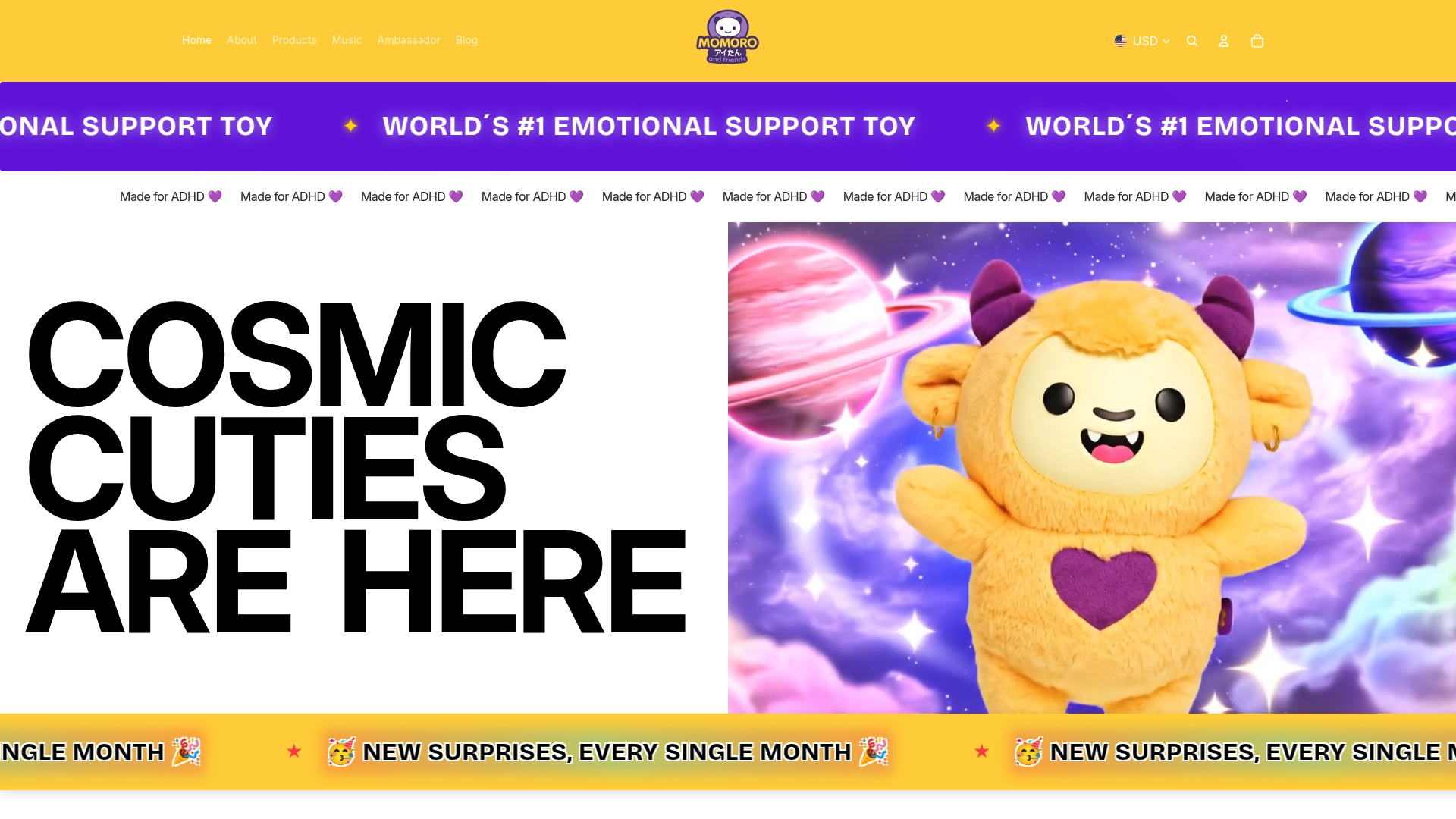
Discover comprehensive ADHD daily focus and calm strategies on the MOMORO blog, where evidence-based approaches meet real-world practicality. Explore practical ADHD self-care tips that complement sensory toy use for comprehensive emotional regulation support.
Browse the curated collection and shop sensory-friendly plush toys designed as everyday carry essentials. Each MOMORO companion combines tactile comfort with functional features like key holders and phone stands, ensuring your calming tool integrates seamlessly into your life rather than adding another item to track.
FAQs About Benefits of Sensory Toys for Adults with ADHD
How long do sensory toy calming effects typically last?
Calming effects vary by individual and toy type but generally last 20 to 60 minutes after use. Weighted toys often provide longer-lasting calm, while fidget tools offer more immediate, shorter-duration relief. Regular use throughout the day maintains baseline emotional regulation better than relying on single sessions.
What materials work best for ADHD sensory toys?
Soft, non-toxic materials like silicone, plush fabrics, and smooth wood appeal to most users. Avoid materials that trigger sensory aversions, which vary individually. High-quality construction ensures durability, as frequent use can quickly wear down cheap materials.
Can sensory toys replace ADHD medication or therapy?
Sensory toys complement but don’t replace professional ADHD treatment. They work best as part of a comprehensive management strategy including medication, therapy, and lifestyle modifications. Think of them as valuable tools in your toolkit rather than standalone solutions.
How do I know which sensory input type I need?
Experimentation reveals personal preferences, as ADHD sensory needs vary widely. Start with varied, affordable options to identify whether you respond better to pressure, texture, movement, or auditory input. Notice which tools you naturally reach for during stress, as this indicates effective sensory channels.
Are expensive sensory toys worth the investment?
Expensive toys justify their cost when they combine multiple functions you’ll use daily or offer superior durability. A £45 multi-function companion that replaces three separate items and lasts years provides better value than multiple cheap toys requiring frequent replacement. Assess based on cost per use over months, not just initial price.
Do sensory toys help with ADHD emotional dysregulation?
Yes, sensory toys significantly support emotional regulation by providing grounding input during overwhelm. Tactile and pressure-based stimulation activates calming neural pathways, interrupting emotional spirals. Consistent use builds a reliable regulation habit, making emotional management more automatic over time.